

This Second Life Ranker reading guide covers all three complete seasons (219 Tapas episodes). The series has been on hiatus since Tapas announced Season 3's close on April 10, 2026, with no confirmed Season 4 return date as of September 16, 2026. It is also a practical guide on how to catch up Second Life Ranker before Season 4, covering the arc structure, the premise, where to read it, and how it compares to adjacent series.

TL;DR: Second Life Ranker reading guide: 219 Tapas episodes across three complete seasons. On hiatus on Tapas since April 10, 2026, ahead of Season 4. AniList status: RELEASING. Best time to catch up is now.
Overview
Second Life Ranker is a Korean manhwa by Do-Yeon Sa (story) and Nong Nong (art), with the Korean original on KakaoPage. The official English version is on Tapas (tapas.io), where a one-day Wait Until Free timer covers all but the latest 65 episodes. The series is not on WEBTOON.
The premise: Yeon-woo's twin brother Jeong-woo entered the Obelisk, a tower with 77 floors full of monsters and other climbers, and died there after being betrayed. Before he died, he documented everything he encountered: floor layouts, traps, enemies, allies, and the identities of the people who killed him. Yeon-woo discovers this encrypted diary and enters the same tower for the first time, armed with his dead brother's complete floor-by-floor guide. This is not a regression story. Yeon-woo is not reliving his own past. He is entering somewhere new with someone else's map.
The series runs 219 Tapas episodes across three complete seasons. Tapas announced a hiatus on April 10, 2026 after Season 3 wrapped, ahead of Season 4; as of this check the episode count remains 219 and no return date has been confirmed. The three completed seasons reach a defined stopping point, not a mid-arc cliffhanger. Art style: Nong Nong handles the system-interface panels (stat screens, skill notifications) with more restraint than most system-fantasy manhwa, keeping the emotional pacing of each episode intact. Tapas status: on hiatus as of September 16, 2026; AniList status: RELEASING.
Second Life Ranker reading guide: key takeaways
- Second Life Ranker runs 219 Tapas episodes across three complete seasons. On hiatus since April 10, 2026, ahead of Season 4, with no confirmed return date
- Season 4 has no confirmed start date. The existing Seasons 1-3 content leads directly into the new episodes whenever they arrive
- The premise is not a regression story: Yeon-woo enters the tower for the first time using his dead twin brother's encrypted diary as a guide
- The diary runs out around chapters 65-70: a structural turning point that changes how the series operates
- Available on Tapas in English; KakaoPage carries the Korean original; not on WEBTOON
- Artist: Nong Nong. Original story by Do-Yeon Sa
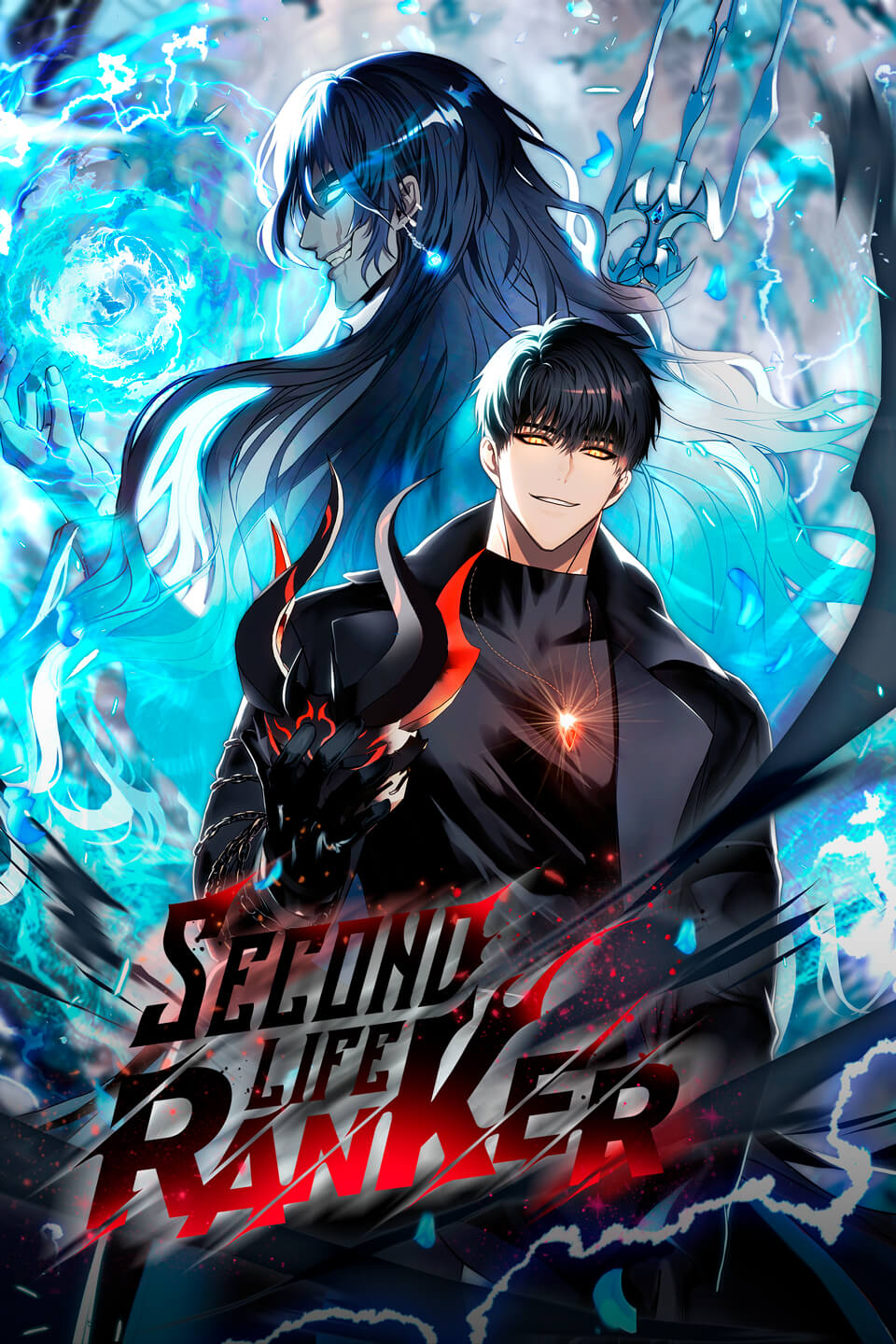 With the series on hiatus ahead of Season 4, this is a good window to start Second Life Ranker from the beginning.
Step-by-Step
1. Start on Tapas, not WEBTOON. Second Life Ranker's official English release is on Tapas (tapas.io); KakaoPage carries the Korean original. Tapas's one-day Wait Until Free timer unlocks every episode except the latest 65; those need Ink, which Tapas stopped selling or giving out on October 1, 2026. The series is not available on WEBTOON.
2. Read Season 1's diary entries slowly rather than skimming. Jeong-woo's documentation of the tower floors is specific and detailed, and rushing through it means missing the emotional layer the series builds between the two brothers. Give the opening floors at least 15 chapters before judging the pace.
3. Treat the chapter 65-70 diary cutoff as a deliberate turning point, not a slowdown. This is where Jeong-woo's documentation runs out and Yeon-woo starts operating without a guide for the first time -- read toward it rather than skimming past it.
4. Read all three completed seasons before waiting on Season 4. Second Life Ranker has been on hiatus since April 10, 2026 with no confirmed return date; the 219 available Tapas episodes reach a defined stopping point, not a mid-arc cliffhanger, so there's no reason to hold off starting now.
5. Adjust your expectations at the Season 2-3 boundary. The series shifts from the personal revenge arc of Seasons 1-2 to divine-scale conflict in Season 3 -- knowing that shift is coming makes Season 3 easier to read on its own terms.
Season Breakdown: What Each Season Covers
Season 1, Chapters 1-70: The Diary Arc
Season 1 is the strongest section of the series. The reason is structural: the diary is at its most legible here. Yeon-woo enters the Obelisk tower knowing exactly what his brother documented: floor layouts, trap placements, enemy behavior, and the identities of the people who eventually killed Jeong-woo. He applies that knowledge systematically. The suspense in these chapters comes not from the question of whether Yeon-woo will survive a given floor, but from watching him execute a plan that exists on borrowed information.
The diary mechanics are specific. Jeong-woo was thorough: he noted routes, flagged dangerous items, wrote observations about other climbers. Reading these entries alongside Yeon-woo creates a layered experience: you're seeing the tower through two different people's eyes simultaneously, one of whom is dead. That emotional weight is what distinguishes Second Life Ranker from the broader system-fantasy genre.
The structural turning point arrives around chapters 65-70, when the diary runs out. Jeong-woo didn't survive to document the deeper floors. Yeon-woo is suddenly operating without his guide for the first time. This moment changes the series' internal logic and is worth reading toward deliberately. It's the point where the premise's full implications land.
One pacing note: the early floors can feel procedural if you're expecting immediate action. Give it 15 chapters before evaluating. The series is building something.
Season 2, Chapters 71-140: Faction Politics
The tower has factions: organizations that operate across floors rather than within individual areas. Season 2 is where they become central. As Yeon-woo's capabilities expand, he starts attracting attention from groups that have been watching the unusual efficiency of his climb. The revenge arc escalates: the people who killed Jeong-woo are still active and now aware that someone is coming for them.
The pacing structure changes in Season 2. Season 1 is organized around floors. Season 2 is organized around alliances and their failures. Secondary characters introduced in Season 1 take on expanded roles here, which is why reading Season 1 carefully rather than quickly matters. The payoffs in Season 2 depend on knowing who those characters are and what their early interactions with Yeon-woo established.
If you're going to read any part of the series closely, Season 2 is the right candidate. Season 1 constructs the emotional foundation; Season 2 is where it lands.
Season 3, Chapters 141-219: Cosmic Scale
Season 3 escalates to divine-realm conflict. The tower's upper floors involve entities operating at a scale substantially removed from what Season 1 established. Yeon-woo's capabilities have expanded accordingly. The revenge arc that defined the series' early chapters is either resolved or transformed depending on how you read it. Season 3 represents a different register of storytelling than Season 1.
This is the most common point of friction for Second Life Ranker readers. Readers who came for the intimate grief narrative of Season 1 will find Season 3's scope a departure. Readers who follow the power scaling will find it satisfying. Both responses are valid, and knowing the shift is coming makes it easier to assess on its own terms rather than against expectations set by the opening chapters.
Season 3 reaches a defined stopping point rather than a cliffhanger. What Season 4 will address is extension, not resolution of something currently unresolved.
Our Second Life Ranker review breaks down the dungeon-clearing power system and sibling revenge narrative.
Second Life Ranker Review →
The Diary Mechanic: What Makes It Categorically Different
Second Life Ranker is frequently categorized alongside regression manhwa, series like Doom Breaker or Nano Machine where a protagonist returns to an earlier point in their own timeline with future knowledge. The categorization is understandable but inaccurate. The structural difference matters to how you read it.
In a regression story, the protagonist's foreknowledge is personal. They lived through a future and carry that experience back into the past. The emotional weight comes from reliving their own history with new agency. Yeon-woo's situation is different in a specific way: he never entered the Obelisk tower before. He doesn't know what the tower's floors feel like from experience. He knows what his brother observed about them.
Jeong-woo's documentation is thorough in some areas and incomplete in others. He missed things. He misidentified some relationships. He couldn't have known how his observers would eventually act against him. Yeon-woo enters with a map that has gaps, and the series uses those gaps with precision. The foreknowledge is secondhand, which means it fails in ways that firsthand foreknowledge wouldn't. This creates a different kind of tension than regression manhwa generates.
The diary also has a narrative function beyond mechanics: it's a portrait of Jeong-woo. Reading what he noticed, what he prioritized, what he worried about reconstructs his character from the inside out. Yeon-woo is completing something his brother couldn't, which gives the climbing a purpose distinct from revenge alone. The two motivations (grief and accountability) run together through Season 1 and into Season 2.
For a full rating and character analysis: Second Life Ranker review →


Art and Platform
The art is by Nong Nong. The visual style handles the system-interface panels (stat screens, skill notifications, floor transition cards) with more restraint than most system-fantasy manhwa. Where some series in this genre use UI overlays aggressively, Second Life Ranker treats them as secondary to the character panels. The result is that the information conveys without interrupting the emotional pacing of the chapter.
Art quality increases across seasons, as is typical in long-running webtoons. The character designs for Yeon-woo are consistent, and the floor environments vary in visual complexity, some minimal, some highly detailed.
Where to read:
Tapas: English release at tapas.io, and the only English-language legal source. Tapas's one-day Wait Until Free timer unlocks every episode except the latest 65; those need Ink, which Tapas stopped selling or giving out on October 1, 2026.
Tapas is the only English home for Second Life Ranker right now, and it closes on March 31, 2027. No move to another platform has been announced. (What the shutdown means)
KakaoPage: Carries the Korean original. The Korean release predates the English version.
Korean source: AniList links KakaoPage for the original Korean publication.
There is no free legal version in English. WEBTOON does not carry Second Life Ranker. The paid-platform structure is worth noting before starting. Reading 219 episodes through a subscription service rather than a free-with-ads model affects how you might pace your reading.
How It Compares
 Solo Leveling is the most common crossover recommendation with Second Life Ranker -- faster-paced, shorter, and completed.
Versus Solo Leveling: Solo Leveling is the system-fantasy genre benchmark (Solo Leveling review →) and the comparison is direct. Both follow a single male protagonist with extraordinary capabilities climbing through a ranked combat system. Solo Leveling is a cleaner wish-fulfillment: Sung Jin-Woo's motivation is power, his obstacles are power-based, his arc is about the accumulation and demonstration of strength. Second Life Ranker complicates that template. Yeon-woo's motivation is his dead brother, his central tool in the early arcs is information rather than strength, and his emotional situation is grief-adjacent in a way Solo Leveling's isn't. If you've read Solo Leveling and want something that uses similar mechanics for a different purpose, Second Life Ranker is the right choice. If you haven't read either, Solo Leveling first is the cleaner entry.
Versus Tower of God: Tower of God uses a similar structural setting (a tower climbed in sequential stages) but the series are otherwise substantially different. Tower of God has 652+ episodes and is primarily a political and relationship-driven narrative with a large ensemble cast. The tower in Tower of God is less of a combat system and more of a social and institutional structure. Tower of God reading guide → covers the full arc breakdown for readers considering that series. Second Life Ranker is a faster, more combat-focused experience with a tighter protagonist perspective.
Versus SSS-Class Revival Hunter: The confusion here is the mechanic. SSS-Class Revival Hunter involves dying and resetting, which sounds adjacent to Second Life Ranker's foreknowledge premise. The mechanics are fundamentally different: Gong-ja loops back 24 hours on death, accumulating skills from whoever kills him; Yeon-woo has no reset, no looping, no death-based mechanic. The series share a genre neighborhood but solve different structural problems. SSS-Class Revival Hunter review → covers that series in detail.
For a broader map of what to read across the genre: best manhwa system fantasy → covers the high-quality entries in the tower-climbing and system-interface space, including where Second Life Ranker sits relative to the cluster.
Our best action manhwa list covers top dungeon-clearing and revenge-arc manhwa.
Best Action Manhwa 2026 →
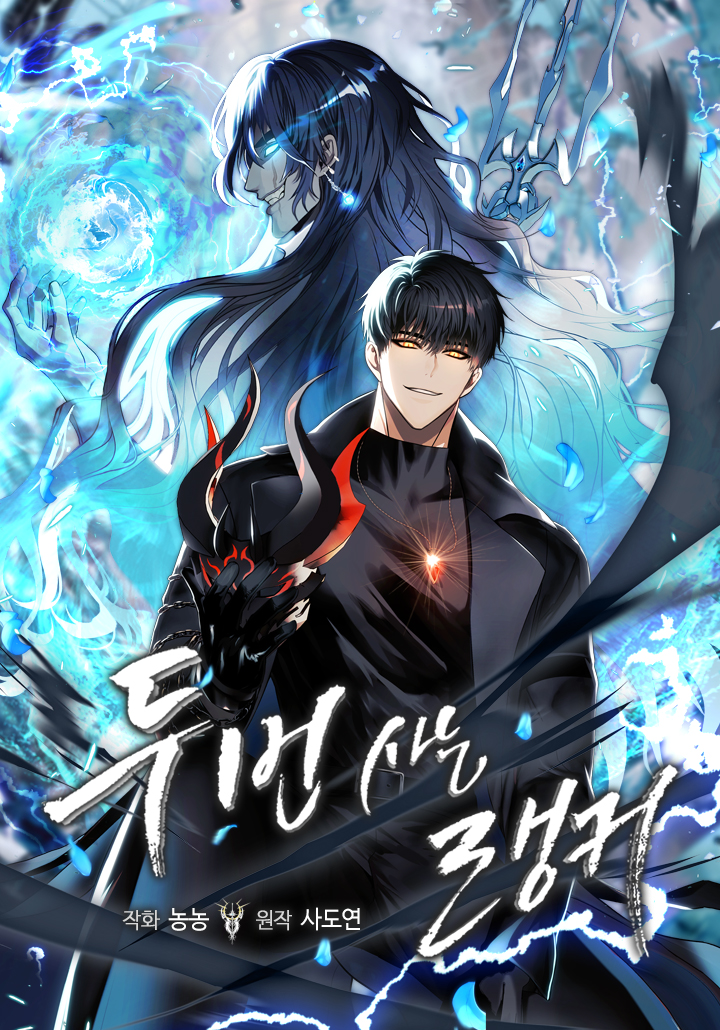 The twin brother plot is Second Life Ranker's emotional core. Four seasons in, it hasn't been forgotten.
Second Life Ranker reading guide: Reading Tips During the Hiatus
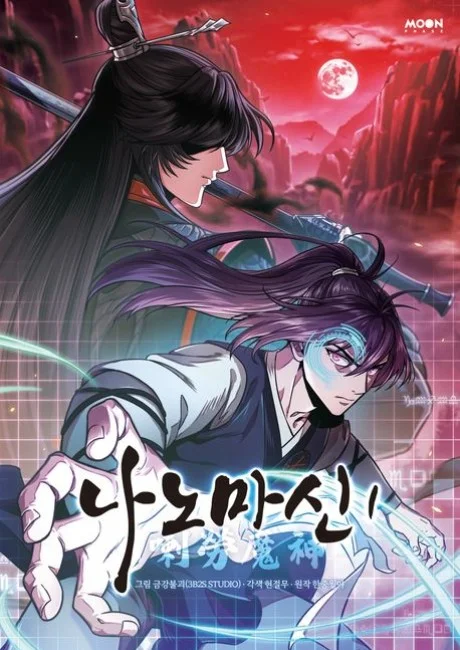 Nano Machine for readers who want the power-escalation loop in a murim setting rather than Second Life Ranker's tower-and-faction frame.
The diary mechanic is the heart of Season 1, and it helps to read those chapters deliberately rather than fast. Jeong-woo's entries are specific: they note routes, flag items, observe other climbers. Rushing through them means missing the emotional layer the series is building. The payoff (when the diary runs out around chapters 65-70) lands harder if you have been reading what Jeong-woo wrote alongside Yeon-woo.
Season 1 can feel procedural in the early floors. The series is building toward the diary's limits, not just the next combat encounter. Readers who find chapter 10 slow should push to chapter 20 before reassessing. The structural logic becomes clearer quickly.
Platform note: on Tapas, a one-day Wait Until Free timer covers all but the latest 65 episodes, and since October 1, 2026 the rest can only be unlocked with Ink you already hold. The Korean original on KakaoPage is the source linked from AniList.
Season 3's cosmic scope is a significant tonal shift from Season 1. Reading all three seasons in sequence means adjusting expectations at the Season 2-3 boundary. Knowing the shift is coming makes it easier to engage with Season 3 on its own terms rather than against the intimate grief narrative the series starts with.
Frequently Asked Questions
Is Second Life Ranker completed or on hiatus? On hiatus on Tapas. Seasons 1-3 are complete at 219 episodes and reach a defined story stopping point. Tapas announced the hiatus April 10, 2026, and as of September 16, 2026 Season 4 has no confirmed return date. AniList's status field is RELEASING.
How many chapters does it have? 219 Tapas episodes across three seasons. Season 1: approximately episodes 1-70. Season 2: episodes 71-140. Season 3: episodes 141-219.
Where do I read it? Tapas (tapas.io) is the official English release, with a one-day Wait Until Free timer on all but the latest 65 episodes, until Tapas closes on March 31, 2027. KakaoPage carries the Korean original. Not on WEBTOON.
What's it about? Yeon-woo finds his twin brother's secret encrypted diary after Jeong-woo dies inside the Obelisk tower. The diary contains Jeong-woo's complete floor-by-floor documentation of the tower and the names of the people who killed him. Yeon-woo enters the same tower for the first time armed with that documentation, working through the climb and the betrayal together.
Is it a regression story? No. Yeon-woo doesn't go back in time. He enters the tower for the first time, using his dead brother's notes as a guide. The foreknowledge is secondhand (borrowed, not personal), which creates a structurally different kind of tension than regression manhwa.
How is Season 3 different from Season 1? Season 3 operates at divine and cosmic scale, different in register from the floor-by-floor revenge arc that drives Season 1. The personal stakes of the early chapters are either resolved or transformed. Knowing this shift is coming makes it easier to read Season 3 on its own terms.
Is it worth reading during the hiatus? Yes. The series has been on hiatus since April 10, 2026 with no confirmed Season 4 return date. Three complete seasons of backlog are available, and reading them now means entering Season 4 with full context rather than catching up mid-arc whenever it lands.
Who created it? Original story by Do-Yeon Sa. Art by Nong Nong. AniList links KakaoPage as the Korean source.
Related Reading
- Second Life Ranker Review →
- Second Life Ranker Character Guide: AniList-verified names for every ally, rival, and antagonist mentioned in this guide.
- Doom Breaker
- Solo Leveling review →
- Tower of God reading guide →
References
- Second Life Ranker on Tapas
- Second Life Ranker on Anime-Planet
- r/manhwa: tower-climbing recommendations
- Tapas hiatus announcement: April 10, 2026
- Second Life Ranker on AniList
- manhwa like Second Life Ranker →