Loading…
ChapterBrief · Reviews
I Killed the Main Player Review: Regressor NPC Twist
I Killed the Main Player review: 7.2/10. A regressor NPC hunts the murderous main player. The game-knowledge hook, the saggy middle, and who it is for.

Reviewing
I Killed the Main Player
HELP.ME (story), GREENKYRIN (art) · Naver / WEBTOON
7.2
Score
7.2/ 10
WEBTOON
Pros
- The premise inverts the genre: you follow the disposable NPC who has to usurp the hero, not the chosen one
- Early arcs use Corin's game-knowledge as real problem-solving against Sihu's known build, not empty flexing
- GREENKYRIN's art is clean and readable, with action staging that stays legible during fights
- The antagonist is the person every other character believes is the hero, which keeps the early tension sharp
Cons
- The omniscience problem: once Corin knows every outcome, the middle stretch loses tension and repeats itself
- Sihu's motivation stays thin relative to how much narrative weight the story puts on him
- Ongoing weekly with no ending in sight on the English WEBTOON release, so the back half is unproven
Verdict
A sharp inverted-regression premise with an honest execution problem in the middle. Worth it for the NPC hook and the early arcs.
I Killed the Main Player review in one line: it takes the most overused setup in the medium, the regressor who already knows everything, and fixes it to a point of view that almost nobody uses. You're not the chosen hero. You're the throwaway NPC who has to become him.
TL;DR: I Killed the Main Player review: 7.2/10. An NPC-perspective regression manhwa, ongoing weekly on WEBTOON past episode 98. Strong opening arcs built on genuine game-knowledge strategy; the middle stretch loses tension once Corin's foreknowledge outpaces the obstacles.
That single change is the reason to read it, and also the reason it eventually struggles. The premise is sharp enough to carry the opening arcs on its own. The execution then runs into the same problem the regression genre always hits, just from a fresh angle. This is a series I'd recommend with the caveats stated plainly, which is what the rest of this breakdown does.
I Killed the Main Player review: key takeaways
- I Killed the Main Player review: 7.2/10, a regression manhwa with a genuinely fresh point of view and an uneven middle
- Ongoing weekly on WEBTOON English, past episode 98 as of mid-2026, with the Korean Naver original running ahead
- You play the NPC, Corin, who regresses three years to stop Sihu, the "main player" who murders NPCs for their items
- The early arcs use game-knowledge as real strategy; the middle stretch leans on it until the tension thins
- Best for readers who like system and regression manhwa but are tired of the all-powerful chosen-one framing
Overview
The hook is in the title. In most game-world manhwa, the reader rides along with the strongest character: the player who logs in with cheat-tier potential and grows into a monster. I Killed the Main Player puts you on the other side of that relationship. Corin is a minor non-player character who knows the game the way a veteran knows a title they have replayed for years. For a while, he supports the actual main player, Sihu, and things go smoothly.
Then Corin learns what Sihu does off-screen. The main player has been killing harmless NPCs to take their items, treating the world's inhabitants as loot piles. When the run collapses, Corin gets thrown three years into the past with everything he knows intact, and he makes a decision the genre rarely lets its leads make: he's going to kill the protagonist and take the role himself.
That framing does real work. The series belongs to the broad family of best system-fantasy manhwa, but it withholds the usual comfort of cheering for the most powerful person on the page. Corin isn't stronger than Sihu. He's better informed, and the early story is about whether information can beat raw advantage.
What I Killed the Main Player Gets Right
Advertisement
The opening arcs understand their own premise. Corin's knowledge isn't a flex; it's a constraint he has to play around. He knows Sihu's build, his routes, the items he will chase and the people he will hurt to get them. The interesting question is never whether Corin knows what happens next. It is whether knowing is enough when the person he is hunting is, by design, the strongest variable in the game.
GREENKYRIN's art carries this without overselling it. The linework is clean and the action staging stays readable, which matters in a story where the fights are often about positioning and preparation rather than pure spectacle. When Corin springs a plan, you can follow the geography of it on the page. That clarity is easy to take for granted until you read a webcomic that lacks it.
The strongest structural choice is keeping Sihu's public reputation intact. To almost everyone in the world, Sihu is the hero. Corin is the one acting strangely, sabotaging the person they all believe in. The series mines that gap for genuine tension in the first stretch, and it gives Corin's actions a moral weight that a standard revenge plot would not have.
The Regressor-NPC Premise, and Why It Cuts Both Ways
Here is the honest part of this I Killed the Main Player review, the part the official synopsis and the surface-level recaps skip. The regressor premise is a double-edged tool, and this series feels both edges.
When a protagonist regresses with full knowledge of the future, the writer trades suspense for dramatic irony. You stop wondering what will happen and start watching how the lead engineers the outcome he wants. That trade works as long as the engineering stays difficult. The moment the obstacles stop pushing back, the knowledge becomes a skeleton key, and every locked door it opens feels weightless.
I Killed the Main Player runs straight into that wall. Reader reception bears it out: the series scores around 75 on AniList's aggregate, a solid-but-not-elite number, and a recurring note in reader reviews is that the story settles into repetition somewhere after the first dozen chapters. The complaint is not that Corin knows too much. It is that the story stops finding new ways to make that knowledge cost him something. Once "I already know this" becomes the answer to most problems, the stakes deflate.
That is the structural ceiling on this one. It's a real flaw, and it's worth naming clearly rather than burying under the premise's appeal.
For more series that play the time-loop and second-chance angle without leaning on it as a crutch, see our roundup.
Best Regression Manhwa of 2026 →
Art & Story
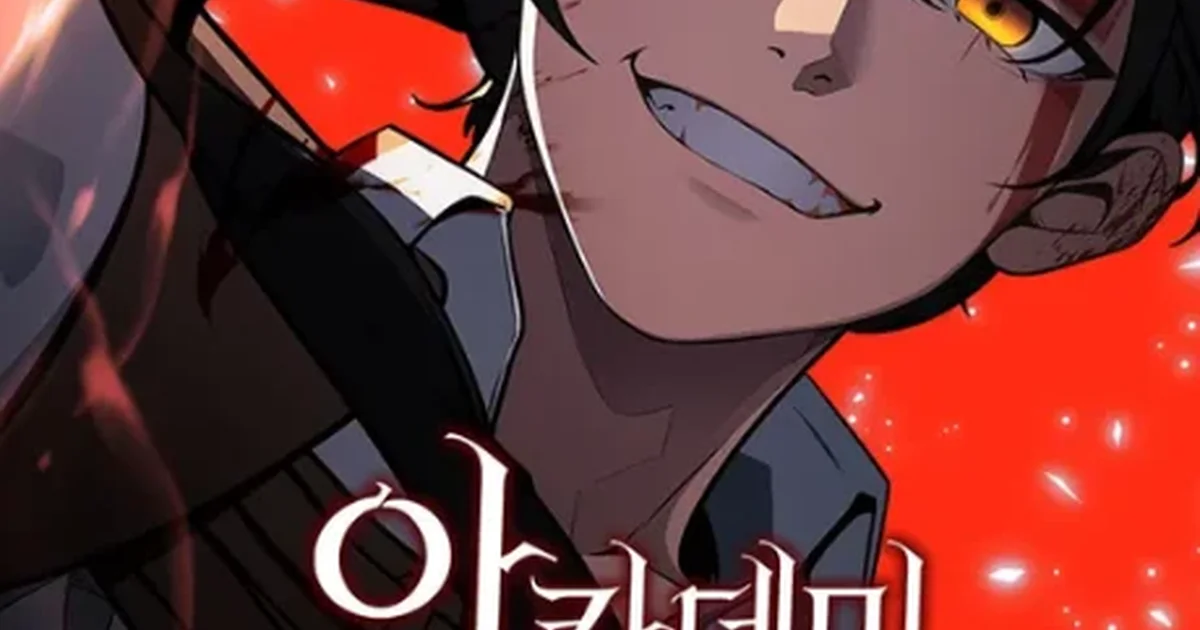
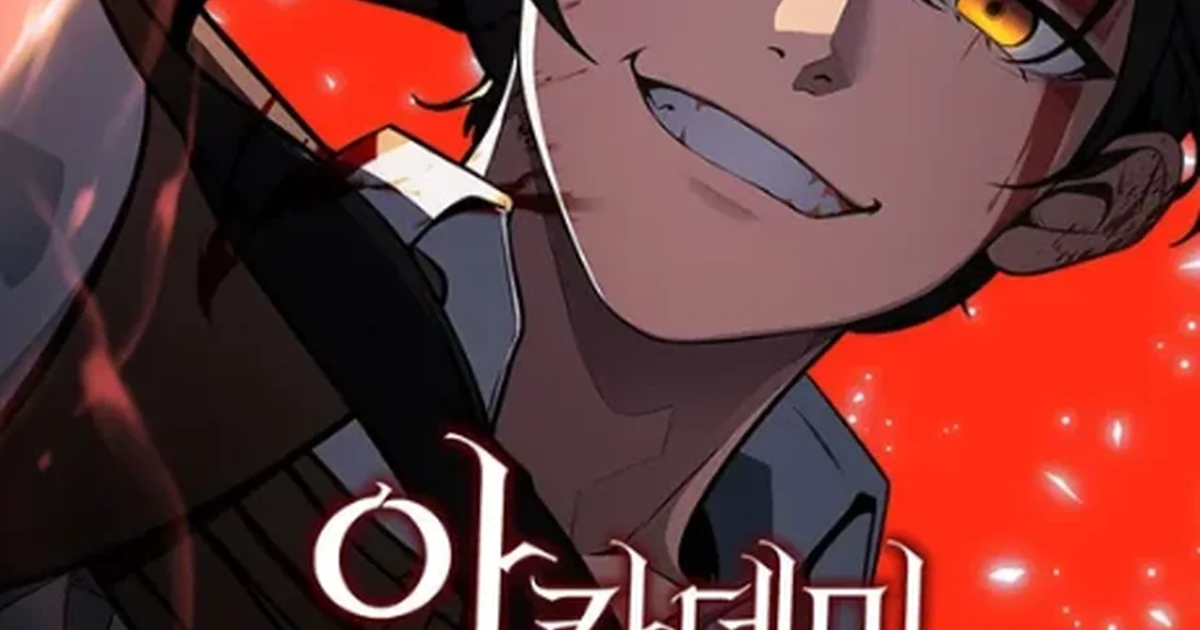
On the art side there is little to argue with. GREENKYRIN keeps character designs distinct, which is not a small thing in a cast that includes a lot of armored players and NPCs who could blur together. Expressions land, and the quieter beats, the moments where Corin has to fake normalcy around people he is secretly working against, read clearly on his face.
 The full cover shows the character work the series leans on. Art by GREENKYRIN.
The story is where the verdict splits. The opening is genuinely good. The world is established economically, the central relationship between Corin and Sihu has a real charge to it, and the regression is used as a setup for conflict rather than a reset button that wipes the slate clean. If the series sustained that, it would sit a full point higher here.
It doesn't quite sustain it. Sihu, the engine of the whole premise, never gets a motivation that matches his importance. He's cruel because the plot needs an irredeemable target, and the series mostly leaves it there. A story this dependent on its antagonist needs him to be more than a function, and I Killed the Main Player keeps him at arm's length for longer than it should. Compare that to how Return of the Disaster-Class Hero grounds its conflict in a betrayal with specific, personal stakes, and the gap in antagonist writing becomes obvious.
Who Should Read I Killed the Main Player
This is a recommendation with a clear shape. If you read game-world and regression manhwa specifically for the inverted, against-the-grain framing, the first arcs of this series deliver something the genre rarely offers, and that alone justifies starting it. The NPC point of view is not a gimmick; it changes how every early scene reads.
If you need the back half to maintain the tension of the opening, manage your expectations. The series is still ongoing weekly on WEBTOON, so the long-term shape is unsettled, but the pattern so far suggests the middle is the weakest stretch. Readers who bounced off the all-knowing protagonist in other regression titles will likely feel the same friction here once the novelty of the premise wears down.
For readers who want the strategic, knowledge-as-weapon flavor without the omniscience drag, a title like The Gamer handles its power system at a different pace and may scratch the same itch more consistently. I Killed the Main Player is the better premise on paper. It is the less consistent read in practice.
I Killed the Main Player Review: Verdict
Advertisement
The Good
- Inverted point of view -- you follow the NPC, not the chosen one, which reframes every interaction with the main player
- Early arcs use Corin's game-knowledge as real problem-solving: preparation against a known build, not empty flexing
- GREENKYRIN's art is clean, readable, and keeps action staging legible even during complicated fights
- The antagonist being the character everyone else believes is the hero creates genuine moral tension in the opening stretch
The Cons
- The omniscience problem arrives in the middle stretch: once Corin knows every outcome, the series stops finding ways to make that knowledge cost him anything
- Sihu's motivation stays thin relative to the narrative weight the story assigns him -- he's irredeemable by function, not characterization
- Ongoing weekly with no ending in sight on the English WEBTOON release; the back half remains unproven
I Killed the Main Player is a 7.2/10. It has one of the more interesting framings in the current crop of game-world manhwa, an antagonist-as-hero setup that the opening arcs use to real effect, and art that keeps the action legible throughout. It's held back by the regression genre's oldest trap, an omniscient lead whose knowledge eventually outpaces the obstacles, and by an antagonist who never earns the weight the plot assigns him.
Read it for the premise and the strong opening. Go in knowing the middle is where it thins, and that the story is still being written, so the ending remains an open question. As a fresh angle on a tired formula, it's worth your time. As a complete, sustained execution of that angle, it isn't there yet.
Related Reading
- I Killed the Main Player Reading Guide for where to start, how the single-jump regression mechanic works, and where the ongoing release currently stands
- Manhwa Like I Killed the Main Player for 6 picks sorted by which specific facet of the premise you want more of
- Best System-Fantasy Manhwa for the broader genre this series sits inside
- Best Regression Manhwa of 2026 for time-loop stories that handle the premise well
- Return of the Disaster-Class Hero Review for a regression story with a sharper antagonist
- The Gamer Manhwa Review for a different take on game-mechanics power progression
- Tutorial Is Too Hard Review for a completed game-isekai where the protagonist's trapped status is the premise rather than just the setup
- SSS-Class Revival Hunter Review for a regression story with a different, more inventive mechanic
Frequently Asked Questions
Is I Killed the Main Player worth reading?
Yes, with a caveat. The inverted-regression premise and the early arcs are genuinely strong, which is why it sits at 7.2/10 here. The middle stretch sags once the protagonist's game-knowledge removes most of the uncertainty, so set your expectations for the back half accordingly.
Is I Killed the Main Player finished or ongoing?
Ongoing. The English WEBTOON release updates every Sunday and was past episode 98 as of mid-2026, with the Korean Naver original running further ahead. No ending has been announced.
Where can I read I Killed the Main Player officially?
On WEBTOON, where it runs as an English Original under the Fantasy category. The Korean original premiered on Naver. WEBTOON is the official, legal source in English and the version this review is based on.
How many chapters does I Killed the Main Player have?
The English WEBTOON release was past episode 98 by mid-2026 and updates weekly, with additional advance episodes on the app. The Korean Naver original is further along. Because the series is ongoing, the count keeps rising.
Is I Killed the Main Player based on a web novel?
Yes. The manhwa adapts a web novel of the same name by HELP.ME, with art on the manhwa by GREENKYRIN. The webcomic follows the novel's core premise of an NPC regressing to stop the main player.
Who are Corin and Sihu in I Killed the Main Player?
Corin is the protagonist, a minor NPC who knows the game inside out and regresses three years to change its outcome. Sihu is the main player he once supported, who turns out to murder NPCs and steal their items. Corin's goal is to kill Sihu, take over his role, and clear the final boss himself.
References
- I Killed the Main Player on WEBTOON for the official English release and update schedule
- I Killed the Main Player on AniList for aggregate reader scores, staff credits, and publication data
About the author

Senior Manhwa Critic & Analyst
Manhwa critic and former Korean-to-English webtoon translator with 8 years reading across 40+ genres. London-based. Tracks everything from power-progression to slice-of-life romance.
- 8 years reading manhwa across 40+ genres
- Former Korean-to-English webtoon translator
- 500+ manhwa titles completed
- Specializes in progression systems and power-scaling analysis


Disclaimer
This article is published for informational and entertainment purposes. It does not constitute professional financial, legal, or technical advice. Series availability, platform access, translation status, and chapter counts change. Verify critical details (pricing, regional availability, official translation status) with publishers and platforms. Affiliate links, where present, help support our editorial work and are labelled in our affiliate disclosure.
Comments
Loading comments…