Loading…


ChapterBrief · Guides
Rise of the Limitless Necromancer Reading Guide: Start Here
Rise of the Limitless Necromancer reading guide: what the 16 free WEBTOON episodes cover, how Restriction Removal works, and when to buy into the app.
Reviewing
Rise of the Limitless Necromancer
Rain (story), Aragon (art)
Rise of the Limitless Necromancer launched on WEBTOON on July 2, 2026, in three bursts, not one. This Rise of the Limitless Necromancer reading guide skips the verdict and covers the practical side instead: how the launch actually shipped, what Restriction Removal means before it hits the page, and what still holds up about the series' size. For the rating and the specific art complaints, read the full review first or after.
TL;DR: Rise of the Limitless Necromancer reading guide: start at Episode 1 on the official WEBTOON site, read Episodes 1 through 3 as one block since they all dropped on launch day, and treat the Restriction Removal reveal as the scene the rest of the series builds from. Sixteen episodes are free as of September 16, 2026, updating every Friday, with 1.9 million total views and 101,033 subscribers.
Rise of the Limitless Necromancer Reading Guide: Key Takeaways
- 16 episodes are free on the official WEBTOON site as of September 16, 2026, up from 9 when this guide was first published.
- Launch week front-loaded content. Episodes 1 to 3 posted together on July 2. One new episode landed daily through Episode 6. Then the series settled into a weekly Friday schedule from Episode 7 onward.
- The power system, Restriction Removal, breaks the specific caps that keep the protagonist's C-Rank [Necromancer] class weak. It doesn't just add more raw power.
- The official page currently shows roughly 1.9 million views and 101,033 subscribers.
- The public page currently lists Episode 16 and carries a banner for 21 new episodes available only in the app. A separate current total is not exposed in the browser.
- Writer Rain and artist Aragon are credited on the official WEBTOON page. Rain also writes Infinite Decryption: The Strongest Level 0 with a different artist.
Rise of the Limitless Necromancer Reading Guide: Overview
This guide covers what's confirmed on the free tier of Rise of the Limitless Necromancer as of September 16, 2026: 16 episodes, all on the official WEBTOON website. It doesn't cover app-exclusive chapters. Nobody on this site has read them, and guessing at plot beats from behind a paywall isn't a habit worth starting.
What helps going in: nothing beyond patience for the first few panels. The series doesn't assume prior knowledge of a shared universe, and the class-hierarchy structure (C-Rank up to a title the series calls Sovereign of the Undead) is stated plainly from the opening episodes rather than teased out over dozens of chapters.
Time investment: 16 episodes at a normal WEBTOON reading pace runs somewhere around 80 minutes to two hours for a first pass. That's still a low-commitment way to find out whether the Restriction Removal concept works for you before deciding whether the WEBTOON app's additional chapters are worth pursuing.
Step-by-Step
Advertisement
1. Start at Episode 1 on the official WEBTOON site, not a mirror. Reading on webtoons.com keeps the in-house English translation consistent and keeps you counting from the same episode numbers this guide and the review both use.
2. Read Episodes 1 through 3 as a single opening block. WEBTOON posted all three on the same day, July 2, 2026, rather than staggering the launch weekly like most originals. Reading them back to back is how the series was actually meant to be encountered on day one, and splitting them across separate sessions makes the early pacing feel choppier than it is.
3. Slow down at the Restriction Removal reveal. This is the scene that defines the whole series. The protagonist's [Necromancer] class starts at the bottom of the hierarchy, C-Rank, because of built-in caps. Restriction Removal is introduced as breaking those caps, not as extra strength stacked on top of them. Everything the series promises about the class-hierarchy climb depends on that distinction landing clearly the first time.
4. Read Episodes 4 through 6 in one sitting if you can. These three shipped daily during launch week (July 3, 4, and 5), which means WEBTOON built them to read as a connected stretch rather than three standalone weekly drops. This is also roughly where the panel-staging issue readers have flagged on Reddit shows up, so go in expecting a rough patch in the art rather than being caught off guard by it.
5. Treat Episode 7 onward as the real weekly release, and decide your pace from there. The series settled into Fridays starting with Episode 7, and that cadence has held with no gaps since. Once you're caught up to Episode 16, that's the natural point to decide whether to wait for next Friday's update or look into the WEBTOON app for additional chapters.
For where this sits against other power-progression manhwa with a visible stat or class system:
Best System Fantasy Manhwa →
The Restriction Removal power system, explained
Most necromancer manhwa hook readers with scale: bigger undead army, more corpses raised, a bigger number on a status screen. Rise of the Limitless Necromancer's opening premise is structural instead. The protagonist dies in a previous life, is reincarnated, and awakens the [Necromancer] class, which the world explicitly ranks C, the bottom tier. The series doesn't treat that ranking as an insult to be brushed past. It treats it as a design constraint: C-Rank classes are weak because they're built with caps on how far they can scale, not because the class itself lacks potential.
Restriction Removal is the counter to that constraint specifically. Rather than functioning as a second power source layered on top of necromancy, it's framed as unlocking what the class could already do if the caps weren't there. That's a meaningfully different premise than "the protagonist gets a rare bonus skill," and it's the detail this reading guide wants a new reader tracking before the reveal happens on the page, not after.
The stated long-term arc is a climb through the class hierarchy toward a title the series calls Sovereign of the Undead. That's a legible goalpost from Episode 1: readers know roughly what's being climbed toward, even without knowing every rung of the ladder yet. Whether the story can pace that climb across dozens of future episodes without the escalation flattening out is exactly the kind of question 16 episodes can't answer, which is also why this guide isn't trying to.
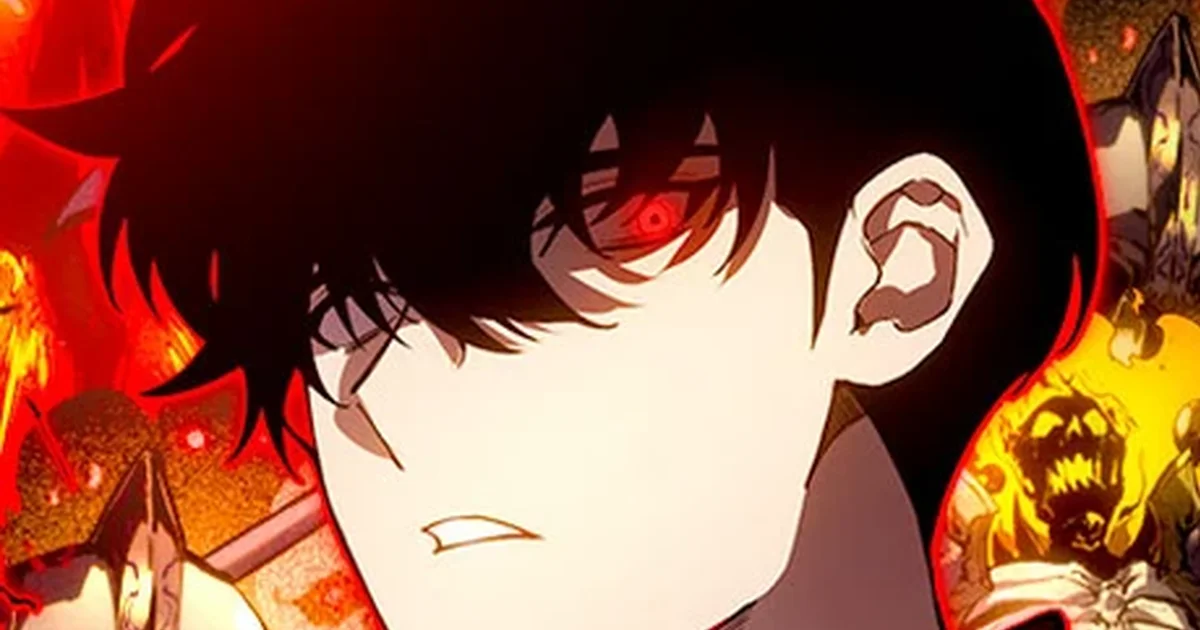
 Official landing-page key art from WEBTOON, used here for the raw-power aesthetic behind the Restriction Removal reveal.
Tips
Don't judge the art from Episodes 4 through 6 alone. The proportion and panel-staging issue readers have called out on r/manhwa is real and specific enough to be worth naming (see the review for the exact complaint), but it's concentrated in a narrow stretch. Later free episodes show more controlled staging, for whatever that trend is worth at 16 episodes.
Track the class-hierarchy terms the series introduces. C-Rank, the Restriction Removal unlock, and the Sovereign of the Undead endpoint are the three pieces of vocabulary the whole reading experience is built around. Missing one makes later dialogue about the character's progress harder to follow than it needs to be.
Read on a Friday if you want to catch the update live. The series has held a consistent Friday release since Episode 7. Reading the newest episode close to its drop time also catches the WEBTOON comment section at its most active, worth checking if you like following a series' early community reaction.
Treat the 28-total figure from the mid-July review as history, not current fact. That number, and the claim that 21 of those episodes sat behind the WEBTOON app, was accurate on July 13, 2026. The free web tier has grown from 9 to 16 episodes since then. The current page still does not expose a separate app-exclusive total in the browser, so don't carry the old figure forward as if it's today's count.
Bookmark the series page directly rather than relying on aggregator counts. Because a meaningful chunk of the story reportedly lives behind the WEBTOON app rather than the public website, third-party chapter trackers are more likely to drift out of date here than on a series that publishes everything to the open web.
For a similarly structured "start at the bottom of a class system with a rule-breaking edge" manhwa that's had time to develop across 200-plus chapters:
Second Life Ranker Reading Guide →
Where to Read Rise of the Limitless Necromancer
WEBTOON is the only official source. The free web tier sits at webtoons.com, updating every Friday, with Episode 16 live as of September 16, 2026. The page says 21 new episodes are available only in the WEBTOON app, but this guide does not treat that banner as a browser-visible total; check the app's own episode list before assuming a specific count.
For genre placement, this sits closer to best isekai manhwa than a straightforward horror-necromancer read. The reincarnation-into-a-class-hierarchy shape is standard isekai scaffolding with an undead-army theme layered over it, which matters if you're deciding between this and a more traditional necromancer story.
Who This Guide Is For
Advertisement
This is written for two kinds of readers. The first tried an episode or two, hit the rough staging in the mid-launch-week episodes, and wants to know whether it's worth continuing. The answer here is yes. The specific stretch (Episodes 4 through 6) is named above so you're not left guessing whether it gets better. The second reader hasn't started yet and wants something with a genuinely small time commitment. Sixteen episodes is roughly 80 minutes to two hours of reading, with a real stopping point at the current Friday release.
Sixteen episodes is not a lot to go on. It's also not nothing, and for a series this new, that's a fair trade.
It's less suited to readers who want the full class-hierarchy climb resolved now. At 16 episodes, the series has established its premise and its goalpost but hasn't had room to demonstrate the escalation it's promising. Readers who specifically want a necromancer or undead-army manhwa with a longer track record to judge should check Second Life Ranker instead, which shares the rule-breaking class-system hook but has over 200 chapters behind it. For a broader spread of action-forward manhwa currently running, the best action manhwa 2026 list covers more established alternatives too.
Related Reading
- Rise of the Limitless Necromancer Review for the rating, the art complaints in detail, and the full verdict.
- Manhwa Like Rise of the Limitless Necromancer for the closest necromancer-class and class-hierarchy picks.
- Second Life Ranker Reading Guide → for a comparable rule-breaking class-system series with a longer chapter run.
- Best System Fantasy Manhwa → for where this series' power-progression hook ranks against the wider genre.
- Best Isekai Manhwa Ranked for 2026 for the genre context this series' reincarnation setup fits into.
Frequently Asked Questions
Where should I start reading Rise of the Limitless Necromancer? Episode 1 on the official WEBTOON website, not a scan aggregator. WEBTOON dropped Episodes 1 through 3 together on launch day, so the opening reads as one continuous block rather than three separate cliffhangers.
How many episodes of Rise of the Limitless Necromancer are free right now? 16 episodes are free on webtoons.com as of September 16, 2026, up from 9 when this guide was first published. The series updates every Friday.
How many total episodes does Rise of the Limitless Necromancer have? The public WEBTOON page currently lists Episode 16 and says 21 new episodes are available only in the app. It does not expose a separate total in the browser, so check the app's own episode list rather than adding an unverified number to the free count.
What is Restriction Removal in Rise of the Limitless Necromancer? It's the protagonist's core ability, and the series is explicit that it isn't a stat boost. [Necromancer] is ranked C, the bottom of the class hierarchy, specifically because of built-in caps on how strong that class is allowed to get. Restriction Removal breaks those specific caps rather than adding raw power on top of them, which is the mechanical hook that separates this from a standard undead-army manhwa.
Who created Rise of the Limitless Necromancer? Rain writes the story and Aragon draws the art, credited on the official WEBTOON series page. Rain also writes Infinite Decryption: The Strongest Level 0 for WEBTOON, paired with a different artist on that series.
Is Rise of the Limitless Necromancer worth starting now? If the Restriction Removal concept appeals to you and you don't mind rough art in a couple of early panels, yes. Nine episodes is enough to see the class-hierarchy structure in motion, and the series has held its Friday schedule since launch with no gaps.
What's the difference between this guide and the review? The review rates the series and weighs the rough early art against the power-system concept. This guide skips the verdict and focuses on how to approach the read: what order to read the launch episodes in, what the power system actually means, and how to decide whether to follow the series into the WEBTOON app.
References
- Rise of the Limitless Necromancer on WEBTOON (official English platform page, episode dates, view and subscriber counts)
- r/manhwa community discussion (reader reaction to early panel staging)
Was this guide helpful?
About the author

Senior Manhwa Critic & Analyst
Manhwa critic and former Korean-to-English webtoon translator with 8 years reading across 40+ genres. London-based. Tracks everything from power-progression to slice-of-life romance.
- 8 years reading manhwa across 40+ genres
- Former Korean-to-English webtoon translator
- 500+ manhwa titles completed
- Specializes in progression systems and power-scaling analysis


Disclaimer
This article is published for informational and entertainment purposes. It does not constitute professional financial, legal, or technical advice. Series availability, platform access, translation status, and chapter counts change. Verify critical details (pricing, regional availability, official translation status) with publishers and platforms. Affiliate links, where present, help support our editorial work and are labelled in our affiliate disclosure.
Comments
Loading comments…