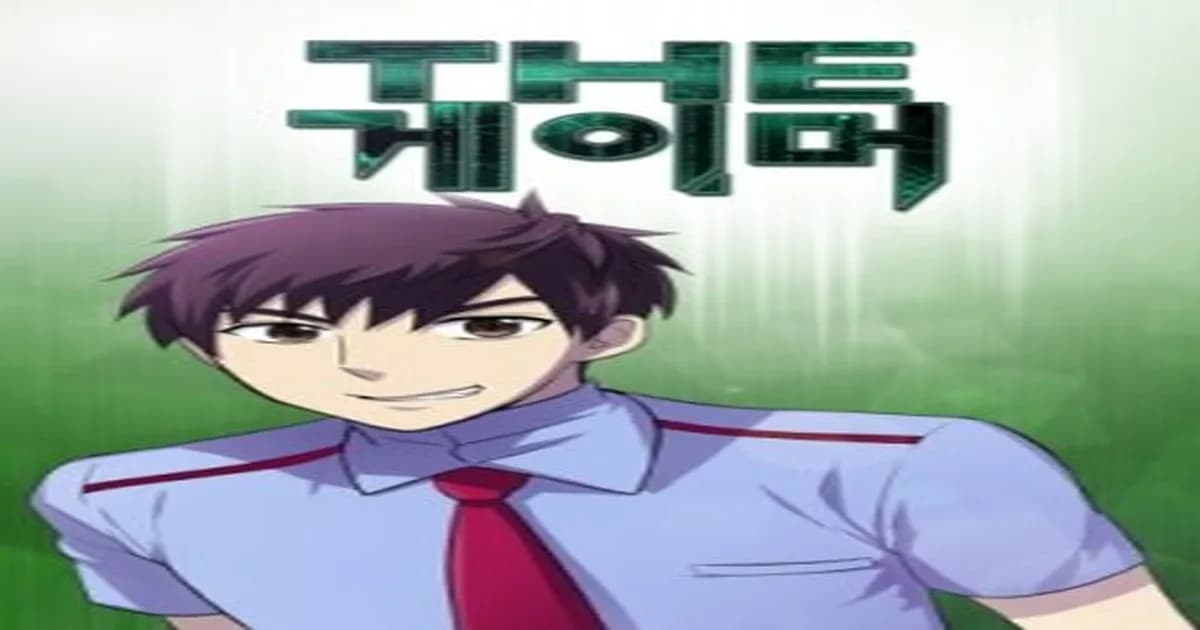
Looking for manhwa like The Gamer? Be honest about which part hooked you, because nothing on WEBTOON copies the whole package. The Gamer gave Han Ji-han (Jihan on WEBTOON) the power to see his ordinary life as a video game, then dropped him into a hidden world of other ability users. Maybe it was the stat windows, maybe the secret society, maybe the weird comedy of grinding skills between homework. One r/manhwa reader answered a request for lookalikes with: "Unfortunately my friend, The gamer is one of a kind." True. These seven get closest to one piece of it each.
Quick picker: for a finished WEBTOON game story, Hardcore Leveling Warrior. For a game that becomes real, I'm the Max-Level Newbie. For the power curve, Solo Leveling. For a system that works against its owner, Latna Saga.
| Pick | What it shares with The Gamer | Status | Read in English |
|---|---|---|---|
| Hardcore Leveling Warrior | Game logic, levels, a gamer lead | Finished | WEBTOON |
| I'm the Max-Level Newbie | A game that spills into the real world | Ongoing, Saturdays | WEBTOON, Tappytoon |
| Solo Leveling | A system only the hero can see | Finished | Tappytoon, Tapas, Manta |
| Overgeared | Item and class mechanics, underdog gamer | Ongoing, Saturdays | WEBTOON |
| Omniscient Reader | Knowing the "rules" when nobody else does | On break, will return | WEBTOON |
| SSS-Class Revival Hunter | Exploiting one strange skill | On hiatus before Season 5 | Tapas |
| Latna Saga: Survival of a Sword King | A buggy system that traps its user | On hiatus before Season 7 | Tapas |
Manhwa like The Gamer: the closest matches
Hardcore Leveling Warrior
If The Gamer was one of your first WEBTOON reads, this is its closest sibling from the same era. Ethan is the number one player of the world's biggest game, Lucid Adventure, until a mysterious player kills him and knocks his character back to level 1. Where The Gamer brings game logic into real life, Hardcore Leveling Warrior is built around the game itself, so you trade the hidden-society angle for one stubborn player clawing his way back to the top.
It's finished: Sehoon Kim's series ran in Korea from January 2016 to May 2022, and WEBTOON lists the English edition as completed. Our Hardcore Leveling Warrior review covers whether the back half holds up.
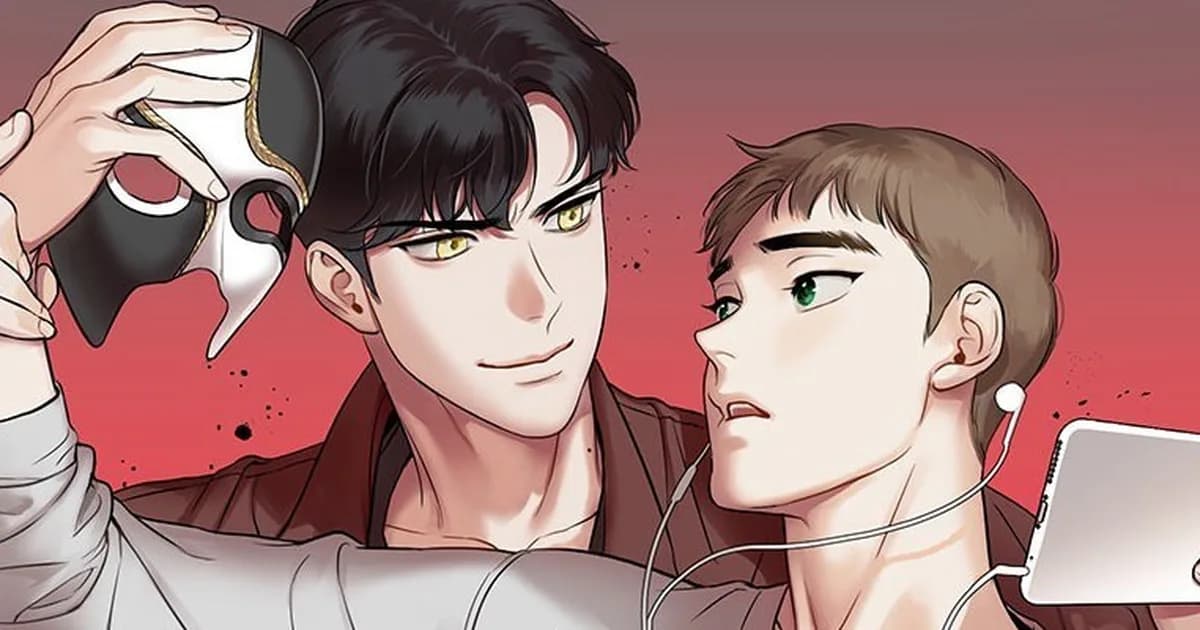
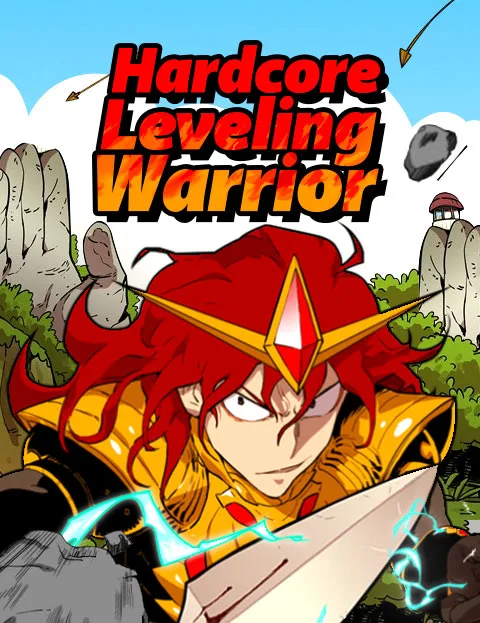 Image: WEBTOON series poster for Hardcore Leveling Warrior.
Pick it if: you want a finished game story with the same early-WEBTOON energy.
I'm the Max-Level Newbie
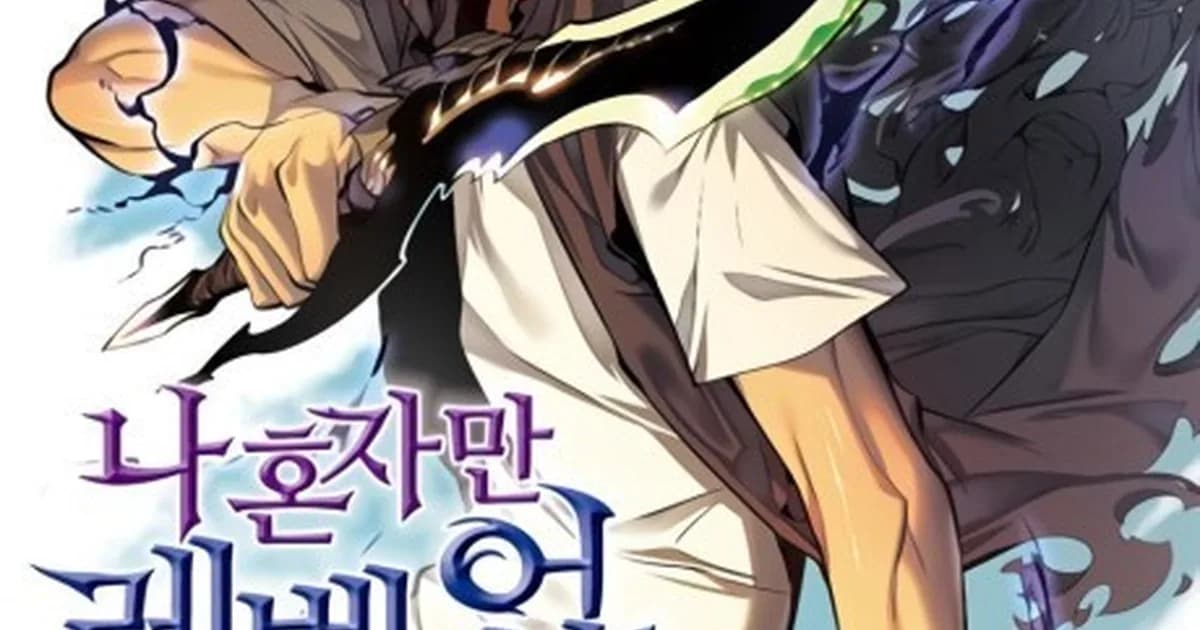
This is the pick for readers who loved the "game logic in the real world" part. Kang Jinhyeok is a streamer and the only person who ever cleared a game called Tower of Trials. On the day he's ready to quit it, the Tower appears in reality, and his eleven years of game knowledge suddenly matter more than anyone else's strength. Like Ji-han, he wins by knowing how the system thinks.
It's still running: WEBTOON updates it every Saturday, and Tappytoon carries it too. Our I'm the Max-Level Newbie review goes deeper on how it uses that knowledge.
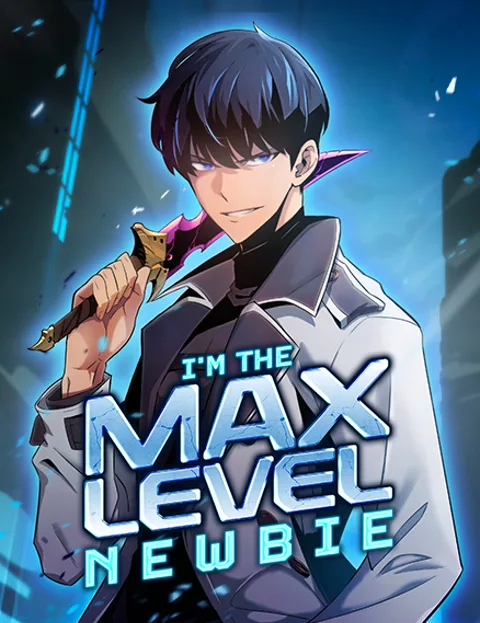 Image: WEBTOON series poster for I'm the Max-Level Newbie.
Pick it if: you want the game to bleed into ordinary life the way it did for Ji-han.
Overgeared
Shin Youngwoo is unlucky in life and a weak player in the VR game Satisfy, until he finds an item that makes him the legendary blacksmith Pagma's Successor. The appeal is close to The Gamer's skill-grinding: watching a class mechanic turn into power one crafted item at a time. The difference is setting: the story is built around a game Youngwoo logs into, not a game layered over his daily life.
The anime started on September 27, 2026 and streams on Crunchyroll; WEBTOON's English edition updates every Saturday. Our Overgeared review covers the manhwa.
Pick it if: you liked the crafting and build side of The Gamer more than the fights.
Manhwa like The Gamer for the power curve
Solo Leveling
Sung Jinwoo starts as the weakest hunter alive, and after a dungeon nearly kills him, a mysterious System chooses him as its only player and lets him level up past any known limit. It's the obvious next read, and for good reason: the stat screens and quests feel like The Gamer's grandchildren. The tone is the big change. Solo Leveling rarely jokes; its system exists to make each fight bigger.
It's finished. In English it's on Tappytoon, Manta and Tapas, where all 202 episodes are listed as a completed series. If you're reading on Tapas, note that Tapas closes on March 31, 2027. Our Solo Leveling reading guide maps the arcs.
Pick it if: you want the leveling fantasy with the comedy turned off and the spectacle turned up.
SSS-Class Revival Hunter
Kim Gong-ja (Confucius Kim in the Tapas translation) gets a skill that copies someone's ability, but only when they kill him. His first death, at the hands of the top-ranked Flame Emperor, gives him the power to go back in time whenever he dies. That's The Gamer's "learn the system, then break it" thrill in its purest form.
Tapas has 154 episodes and the series is on hiatus after Season 4. An anime is due in January 2027 on Fuji TV and Crunchyroll. Our SSS-Class Revival Hunter reading guide breaks down the seasons.
Pick it if: your favorite part of The Gamer was Ji-han finding a loophole in his own ability.
If you came for the twist on the system
Latna Saga: Survival of a Sword King
Hanbin Ryu gets pulled into another world with a "guide line" system meant to help him grow. It's so full of errors that he's stuck in the tutorial for over 20 years, and when he finally gets out, everyone has turned against otherworlders like him. If The Gamer made you wonder what happens when the game interface doesn't play fair, this is that story.
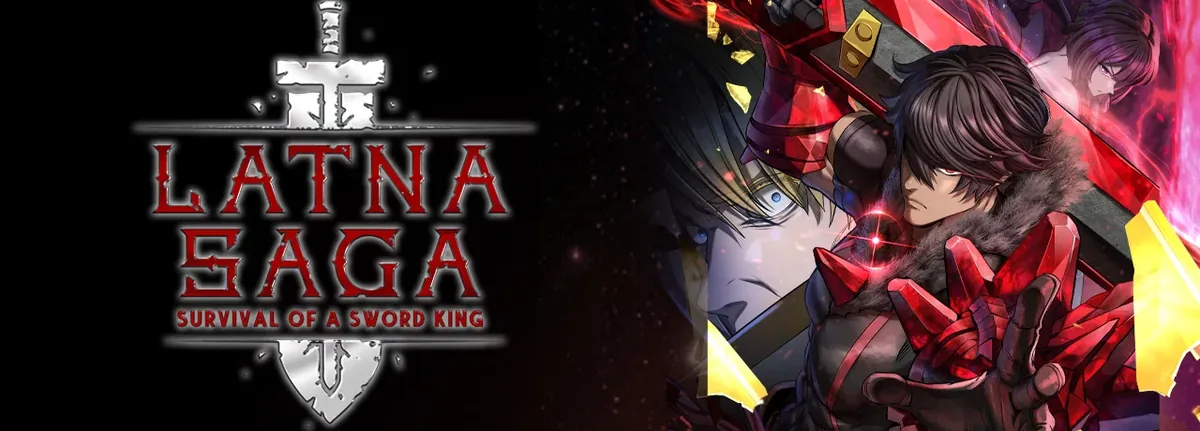 Image: Tapas series banner for Latna Saga: Survival of a Sword King.
Tapas lists 282 episodes; Season 6 ended and the series is on hiatus before Season 7. It's only on Tapas in English for now, so don't buy far ahead.
Pick it if: you want a system that's an obstacle, not a cheat code.
Omniscient Reader
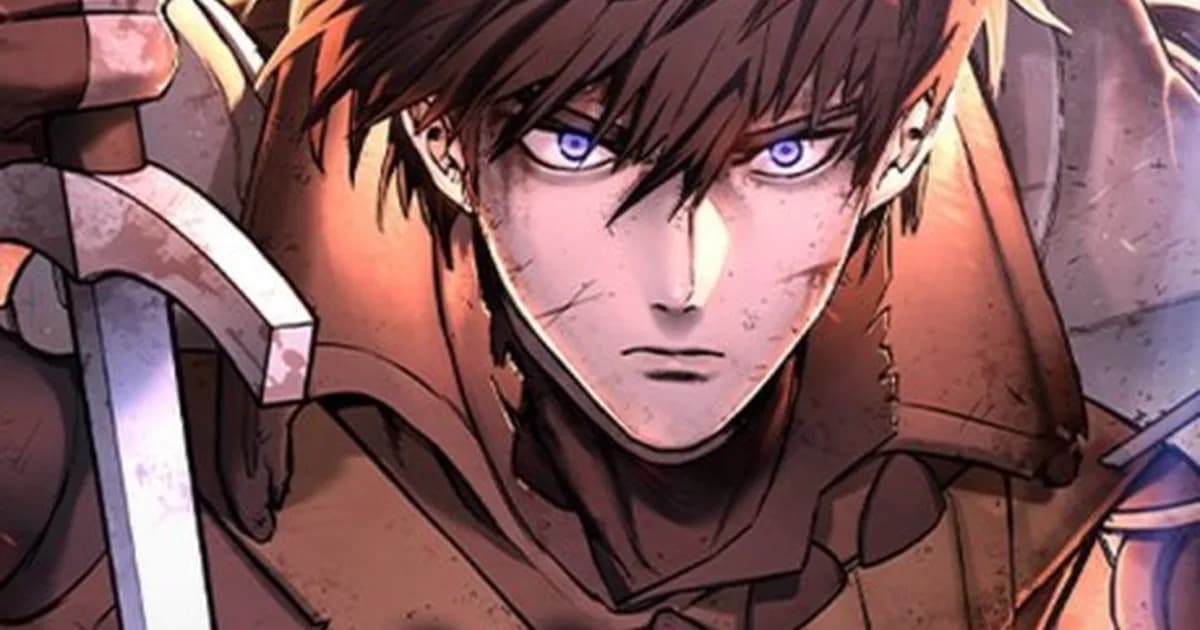
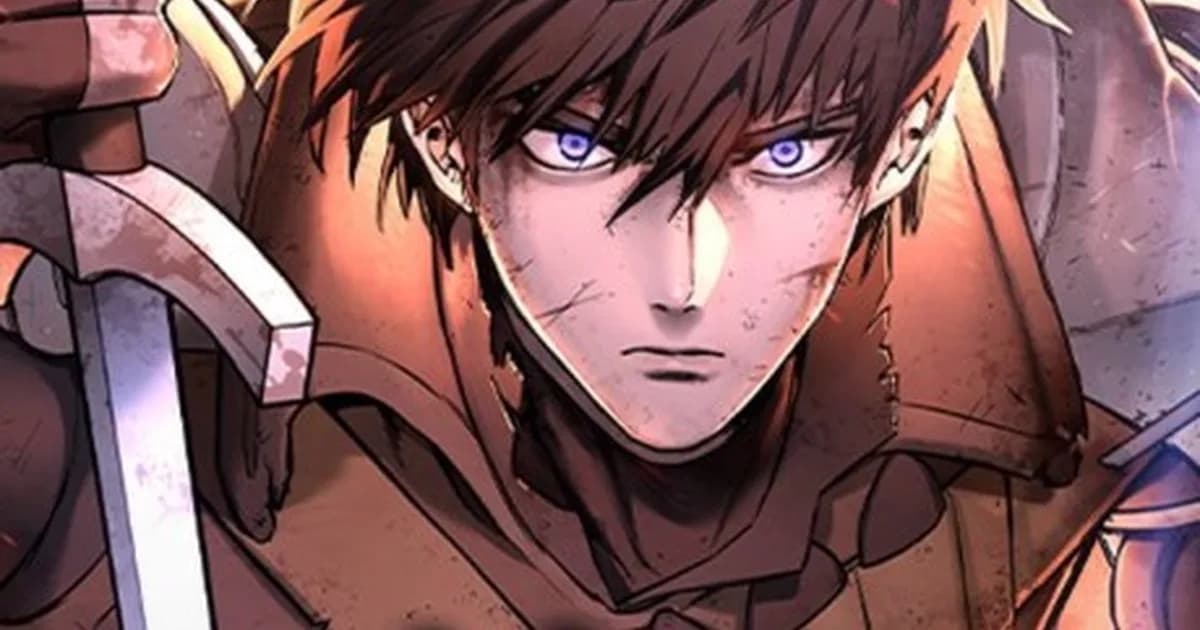
Dokja's "system" isn't a stat window; it's the plot of his favorite web novel, which comes true while he's the only person who knows how the world will end. It shares The Gamer's best trick (the hero understands the rules better than anyone around him) and builds a far bigger story around it. Our Omniscient Reader's Viewpoint review explains why it's a different kind of read.
WEBTOON's latest listed episode is 308 (June 1, 2026), and the page says the series will return.
Pick it if: you liked the scheming more than the grinding.
Our Take
Of all the manhwa like The Gamer here, we'd start with Hardcore Leveling Warrior if you miss what The Gamer felt like at its peak, because it's from the same WEBTOON era and it's finished. If you want the real-world game premise, I'm the Max-Level Newbie is the better match and it's still coming out. Skip Solo Leveling only if the jokes were your favorite part of The Gamer; it doesn't have them.
One honest note from The Gamer's own fans: the long run frustrated some of them. In the same r/manhwa thread, a reader wrote that it "kept dropping long running characters and abilities in favor of just shoehorning in a new game genre." If that's why you stopped, a tighter series like Max-Level Newbie or Latna Saga will suit you better than another 500-chapter run.
The Gamer at a glance
The Gamer (더 게이머) is by Sangyoung Seong (story) and Sang-A (art). It ran in Korea from September 2013 to May 2024, and AniList counts 510 chapters. WEBTOON lists the English edition as completed, with more than 497 million views; the website now shows only the first nine episodes and sends you to the app for the rest. If you haven't finished it, our The Gamer reading guide helps you decide where to stop.
Frequently Asked Questions
Is The Gamer completed?
Yes. The Korean run ended in May 2024, and WEBTOON lists the English edition as completed. Its website only shows the first nine episodes now; the rest are in the WEBTOON app.
How we checked this: on October 19, 2026 we read the WEBTOON pages for The Gamer, Hardcore Leveling Warrior, I'm the Max-Level Newbie, Overgeared and Omniscient Reader; the Tapas pages for Solo Leveling, SSS-Class Revival Hunter and Latna Saga; AniList for all eight series; and the r/manhwa thread quoted above. We didn't re-read the series for this update; the picks are our editorial judgment. Last reviewed: October 19, 2026.
Related Reading
- The Gamer Manhwa Review: our score for The Gamer, and why the early seasons hold up better than the end.
- Best Game Manhwa: a wider list of series where game rules actually matter to the plot.
- Hardcore Leveling Warrior Review: whether the closest match on this list is worth the full run.
- I'm the Max-Level Newbie Review: how far eleven years of game knowledge carries Jinhyeok.
- Overgeared Anime: Where to Watch: the streaming and dub details if the trailer above got you.