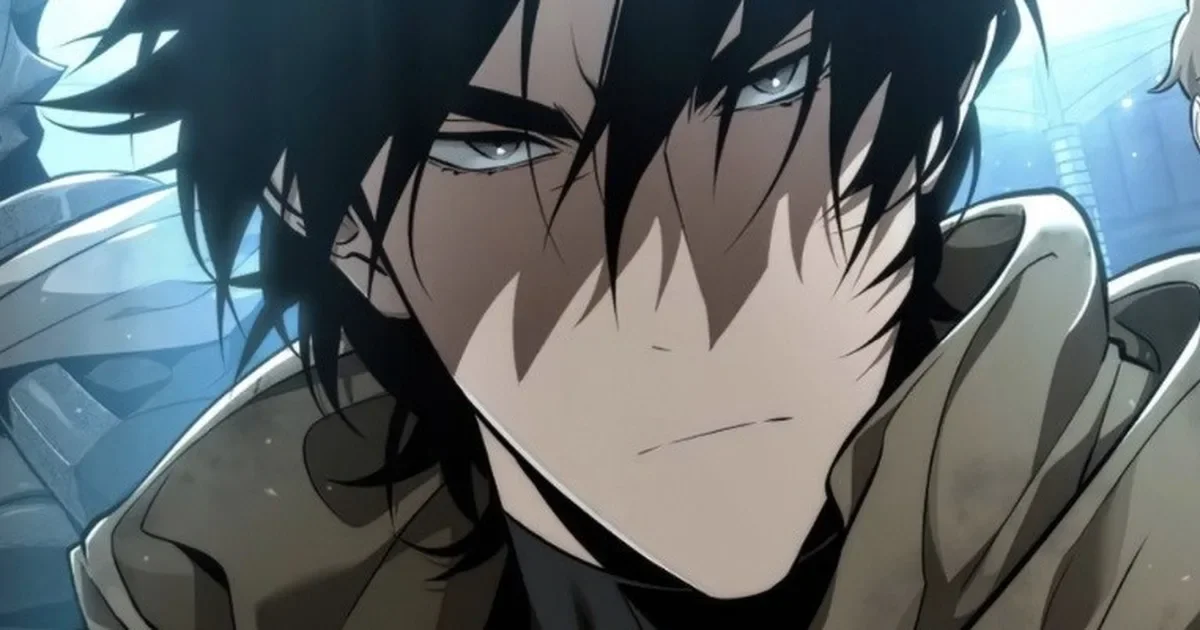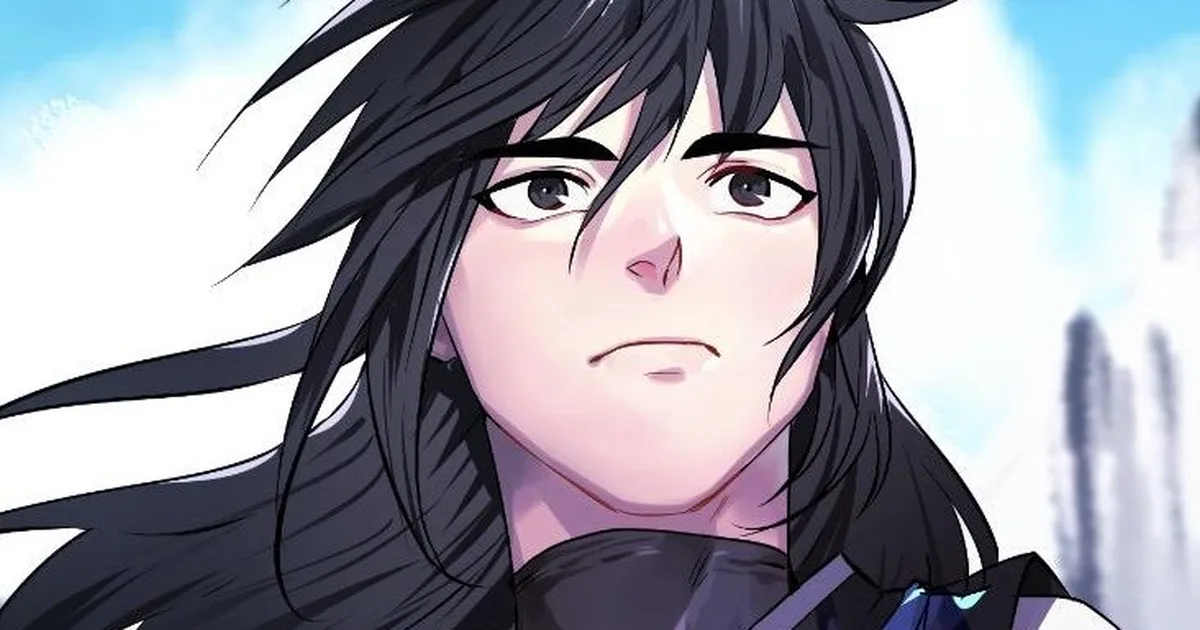
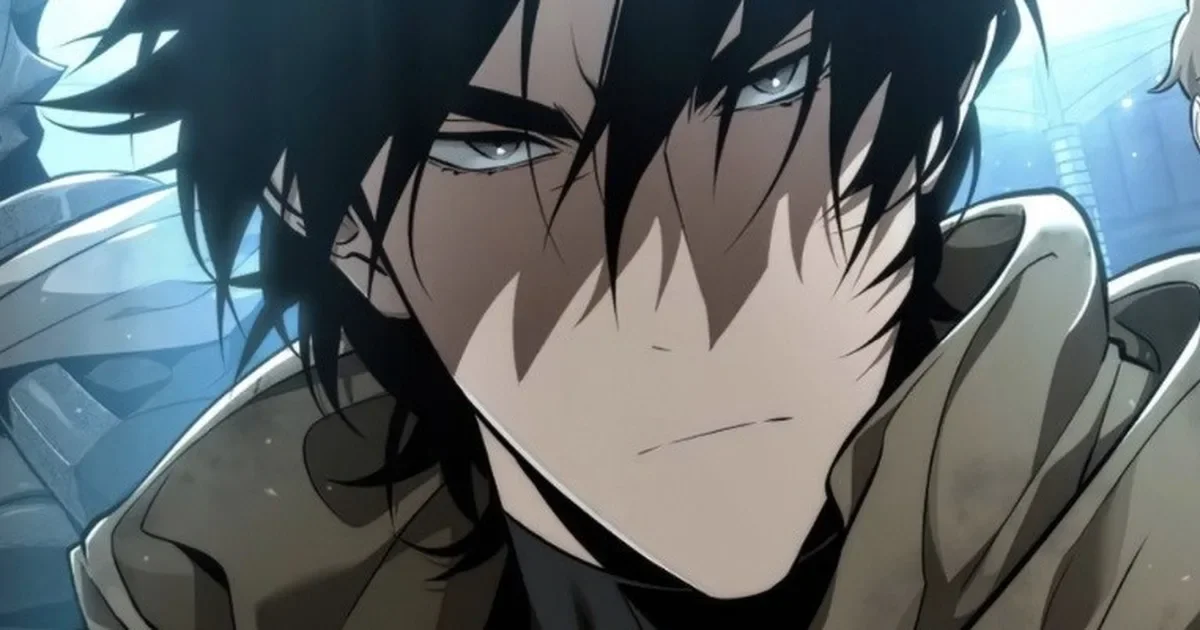
Finding manhwa like The World After the Fall is the problem. Most tower series feel small by comparison. The post-fall world premise, the Readers concept, Jae-Hwan choosing to stay in the ruined timeline while everyone else fled: all of it sets a specific bar. What that bar actually is: philosophical depth, a protagonist defined by refusing the obvious path, and a tower setting that asks harder questions than "who reaches the top."
TL;DR: Manhwa like The World After the Fall: 1. SSS-Class Revival Hunter (death-copy tower mechanic, ongoing, strategic protagonist) 2. Second Life Ranker (foreknowledge tower climb, dark tone, long ongoing backlog) 3. The Beginning After the End (completed, protagonist whose real self is hidden from the world) 4. Omniscient Reader's Viewpoint (reader who knows the story's ending enters it, philosophical narrative layer, very popular, ongoing) 5. Tower of God (original tower manhwa, 600+ chapters, asks what's at the top across a very long run, ongoing).
These five picks each match one or more of those qualities. None of them are The World After the Fall. Several come close in ways that matter.
Manhwa like The World After the Fall: quick answer
The five picks in order:
- SSS-Class Revival Hunter: ongoing, death-copy mechanic, strategic protagonist who accumulates power through deliberate dying
- Second Life Ranker: ongoing large backlog, foreknowledge structure, dark tone, twin-legacy premise
- The Beginning After the End: completed, adult king reincarnated into a child's body, protagonist whose real self is hidden from everyone around him
- Omniscient Reader's Viewpoint: ongoing, reader with complete story foreknowledge enters the narrative, closest to TWATF's "narrative as layer" concept, very popular
- Tower of God: ongoing 600+, original tower manhwa, what is at the top of the tower across an enormous run
Each targets a different element of why TWATF works: the inverted relationship to the tower system, the philosophical layer, the protagonist defined by a refusal, or the dark atmospheric tone. Manhwa like The World After the Fall are rare enough that no single pick below covers everything at once.
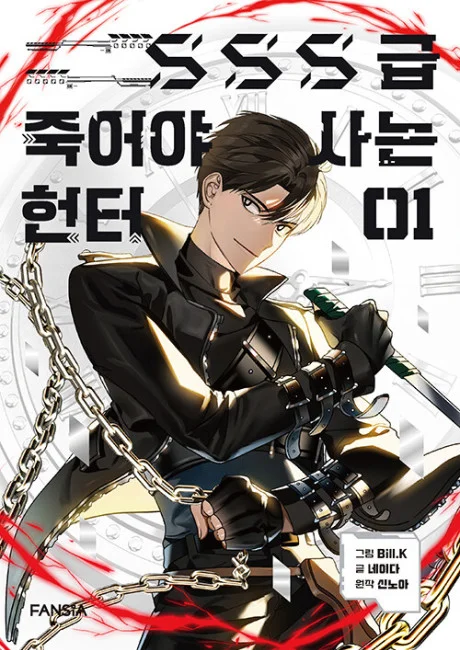 SSS-Class Revival Hunter cover art.
1. SSS-Class Revival Hunter
What it is: An ongoing tower manhwa where Confucius Kim has a skill that copies the ability of whoever kills him, and the Flame Emperor's time-reversal lets him rewind to before each death while keeping every copy permanently.
Why it fits TWATF readers: The shared element is a protagonist who relates to the tower system sideways rather than straight-ahead. Confucius isn't a standard tower climber accumulating strength through training and battles. He's engineering his deaths to acquire specific skills from specific hunters, then rewinding and trying again. The strategic intelligence of the protagonist, operating through means the tower hierarchy can't fully account for, is the same quality Jae-Hwan has in the post-fall world.
Both series are interested in what happens when one person operates from a position the system didn't design for. Confucius's collection of abilities is the tower version; Jae-Hwan's survival in the aftermath is the post-tower version. Neither protagonist is climbing the conventional way.
Note: in English, the series publishes on Tapas as "SSS-Class Revival Hunter." The word "suicide" was removed from the English title, though the mechanic still involves deliberate death as power acquisition.
Status: Ongoing. Regular releases on Tapas and other platforms.
Platform: Tapas (English official). Korean: Naver Webtoon.
Best for: TWATF readers who want a tower setting with a protagonist who uses an unusual relationship to death and power, and who can follow an ongoing series.
One caveat: More action-forward and less philosophically abstract than The World After the Fall. The strategic layer is the depth here, not a metaphysical one. Since it's Tapas-only in English, our best manhwa not on WEBTOON guide covers the platform and how the coin/ink system works.
Full review of SSS-Class Revival Hunter with arc breakdown and verdict:
SSS-Class Revival Hunter Review
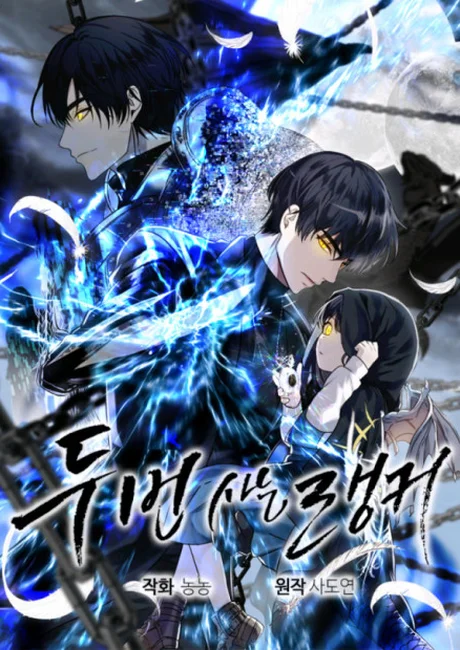 Second Life Ranker cover art.
2. Second Life Ranker
Advertisement
What it is: An ongoing manhwa following Yeon-Woo, whose twin brother climbed a tower, died, and left behind a detailed chronicle of his journey. Yeon-Woo uses his brother's accumulated knowledge to climb the same tower.
Why it fits TWATF readers: The shared element is a protagonist working from information the tower system didn't give him through normal means. Yeon-Woo's foreknowledge of tower floors, hidden mechanics, and faction politics maps to the structural advantage Jae-Hwan has: both are navigating a system using information that came from outside the system's intended path.
The dark tone is consistent. Second Life Ranker doesn't have TWATF's philosophical layer, but the atmosphere and the sense that the protagonist is carrying something heavy into every encounter are similar. The twin-legacy premise adds emotional weight that straightforward tower series don't typically have.
It's been releasing since 2018. The chapter backlog is large enough that it functions as a completed read for practical purposes even though it's technically ongoing.
Status: Ongoing since 2018. Very large chapter backlog.
Platform: Various platforms; check Tapas or Naver for current English availability.
Best for: TWATF readers who want dark-tone tower manhwa with a protagonist carrying an unusual relationship to the system, and who want a long series with substantial existing content.
One caveat: Less philosophical than TWATF. The depth is in the strategic and emotional layers rather than in metaphysical questions about the nature of the tower.
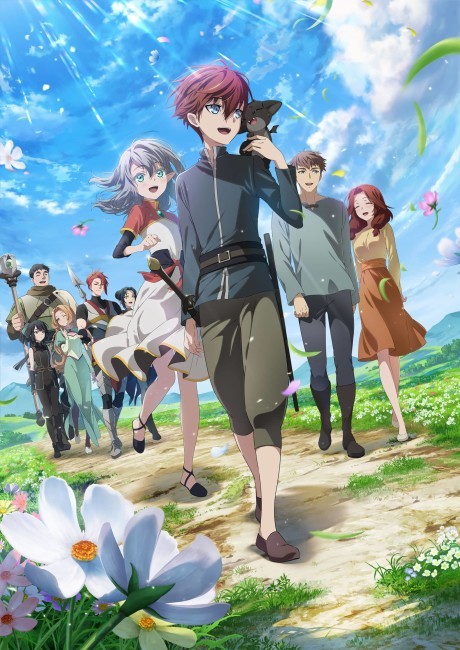 The Beginning After the End cover art.
3. The Beginning After the End
What it is: A completed manhwa adaptation of a web novel by TurtleMe, following Arthur Leywin: an adult king with decades of strategic experience who dies and reincarnates as a child in a high fantasy world with magic systems and political complexity.
Why it fits TWATF readers: The strongest shared quality is a protagonist whose real self is fundamentally hidden from everyone around him. Arthur looks like a child. He has the experience and psychology of an adult who lived a full life and reached the top of his field. Almost nobody in his new world can accurately read who he actually is.
This is the closest analog to Jae-Hwan's specific kind of isolation: existing in a world that doesn't have the context to understand what you actually are. Arthur's isolation is identity-based; Jae-Hwan's is circumstantial. The emotional quality for readers watching either protagonist navigate their world is similar.
Completed status is a significant asset for TWATF readers who want a finished story after following an ongoing series.
Status: Completed.
Platform: Tapas (English official). Physical volumes available.
Best for: TWATF readers who want a completed series with a protagonist whose true nature is hidden from the world around him, and who don't mind a fantasy setting rather than tower.
One caveat: More conventional power-progression structure than TWATF. The philosophical layer is thinner. The match is character-emotional rather than structural.
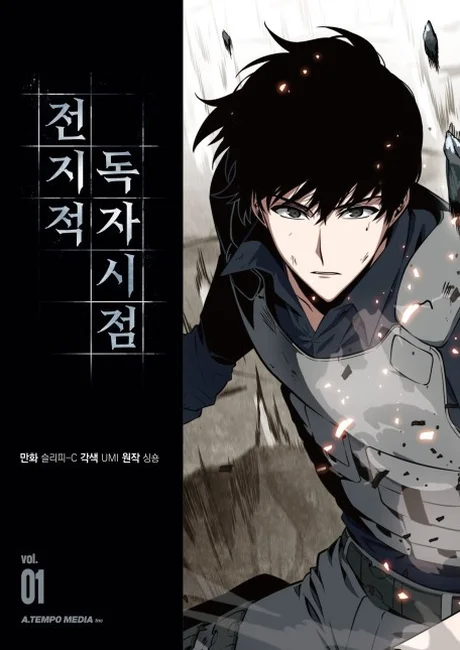 Omniscient Reader's Viewpoint cover art.
4. Omniscient Reader's Viewpoint
What it is: An ongoing manhwa following Kim Dokja, the sole reader who finished a web novel called "Three Ways to Survive in a Ruined World." When the novel's events start happening in reality, Kim Dokja is the only person who knows how the story ends.
Why it fits TWATF readers: This is the closest match to The World After the Fall's Readers concept in any tower-adjacent series. TWATF asks what it means when your world is observed as a story by higher beings. Omniscient Reader's Viewpoint puts a character inside that premise: Kim Dokja is the reader, and his complete foreknowledge of narrative structure is both his advantage and his burden.
The questions the series raises are directly adjacent to what TWATF is doing: if you know you're in a story, does choice still mean anything? What do you do with foreknowledge of an ending you can't fully prevent? The narrative-as-layer concept in both series creates comparable philosophical weight.
Very popular; some readers find it more accessible than TWATF because the protagonist's knowledge gives readers a guide through the world.
Status: Ongoing. Large chapter backlog; regularly updating.
Platform: Webtoon (English official), free.
Best for: TWATF readers who want the narrative-layer concept in a more action-forward package, with a protagonist who's defined by a unique relationship to how the story works.
One caveat: More emotionally expressive than TWATF. Kim Dokja is not Jae-Hwan's type of protagonist. The philosophical resonance is structural rather than tonal.
For an arc breakdown and what to know before starting TWATF:
The World After the Fall Reading Guide
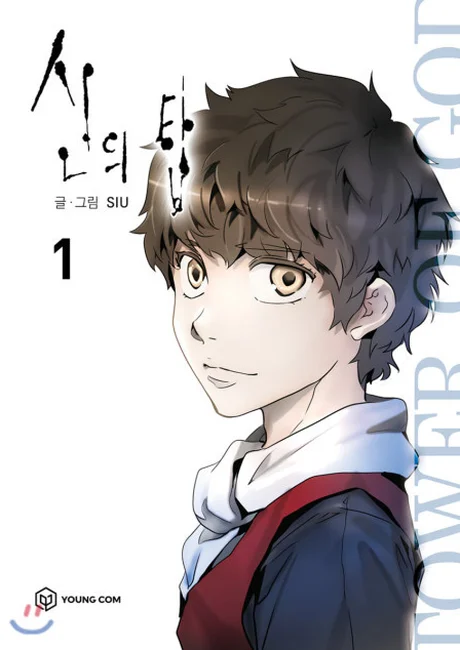 Tower of God cover art.
5. Tower of God
What it is: The original tower manhwa by SIU (Slave In Utero), ongoing since 2010 with 600+ chapters. Bam enters a vast tower to follow a girl named Rachel, and the series expands from there into politics, mythology, and the fundamental question: what is at the top of the tower?
Why it fits TWATF readers: Tower of God is the series that defined the genre that TWATF is commenting on. Understanding what TWATF's inverted-regression premise is inverting requires knowing what the genre normally does. Tower of God is where those conventions were established.
Beyond the genre context, Tower of God shares TWATF's interest in the tower as a system that means something beyond just a difficulty ladder. As the series progresses, questions about who built the tower, why it exists, and what reaching the top actually means become increasingly central. This is a structural parallel to TWATF's Readers concept: both series are asking what the tower system actually is rather than just what it demands from climbers.
Warning: 600+ chapters with no completion in sight. This is not a casual commitment.
Status: Ongoing since 2010. 600+ chapters.
Platform: WEBTOON (English official), free. The early arcs use a different art style from later chapters; the art improves substantially after the first season.
Best for: TWATF readers who want the original tower manhwa and can commit to a very long open-ended series. Best approached as an ongoing reading project rather than a story to finish.
One caveat: The length is genuinely prohibitive. The early chapters (Season 1) are low-art-quality by current standards. Many readers stall in the Season 1-2 transition. The series has substantial peaks and valleys across its run. Know what you're committing to.
Manhwa Like The World After the Fall: How to Pick From This List
Advertisement
The elements that made TWATF work break down like this:
Philosophical layer (Readers concept): Omniscient Reader's Viewpoint is the closest match.
Inverted or unusual protagonist relationship to power: SSS-Class Revival Hunter and Second Life Ranker for foreknowledge and unusual accumulation. The Beginning After the End for hidden-identity version.
Completed series: The Beginning After the End is the only completed option in this list.
Free WEBTOON reading: Omniscient Reader's Viewpoint, Tower of God.
Dark atmospheric tone: SSS-Class Revival Hunter, Second Life Ranker.
Frequently Asked Questions
What is the closest manhwa to The World After the Fall?
SSS-Class Revival Hunter for philosophical ambition and tower setting. Omniscient Reader's Viewpoint for the narrative-layer concept specifically.
Is Tower of God worth starting?
Yes if you can commit to 600+ chapters ongoing. No if you want to finish a story in a reasonable timeframe.
What makes TWATF's premise unique?
Jae-Hwan stays in the ruined aftermath while everyone else flees to fresh timelines. No other tower manhwa has this setting. The Readers concept adds a philosophical layer about determinism and narrative that the rest of the genre doesn't attempt.
Are there other philosophical tower manhwa?
Omniscient Reader's Viewpoint is the strongest match among manhwa like The World After the Fall. Tower of God raises similar questions at much greater length.
Is SSS-Class Revival Hunter the same as SSS-Class Suicide Hunter?
Yes. SSS-Class Revival Hunter is the official Tapas and Ize Press/Yen Press title; SSS-Class Suicide Hunter is the earlier fan-translation title that still circulates in some communities. Both names refer to the same series: Kim Gong-ja's death-copy, time-reversal mechanic.
Related Reading
- The World After the Fall Review: Full 8.0/10 critical review with Readers concept, atmosphere analysis, and verdict.
- SSS-Class Revival Hunter Review: The death-copy tower series most structurally adjacent to TWATF's philosophical approach.
- Manhwa Like SSS-Class Revival Hunter: Broader recommendations for the death-mechanic and tower-hierarchy audience.
- Omniscient Reader's Viewpoint Review: The meta-narrative tower-genre companion, philosophical layers and reader-insert structure inside a collapsing world.
- Solo Leveling Reading Guide: Arc breakdown for the genre-defining tower manhwa, for readers new to the format coming from TWATF.