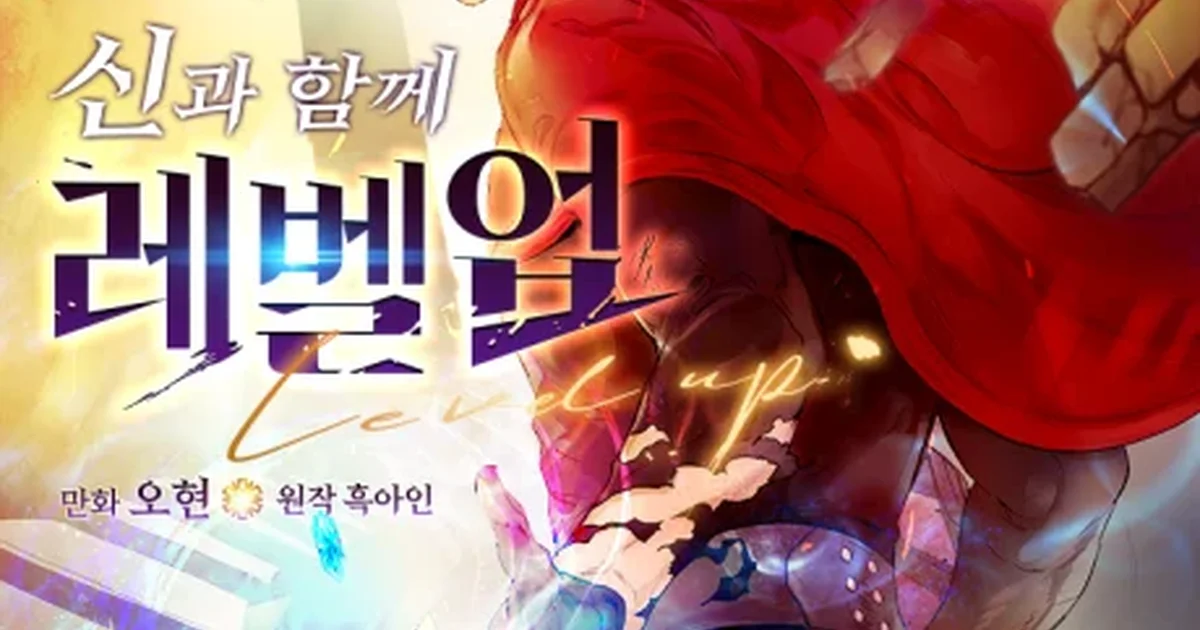
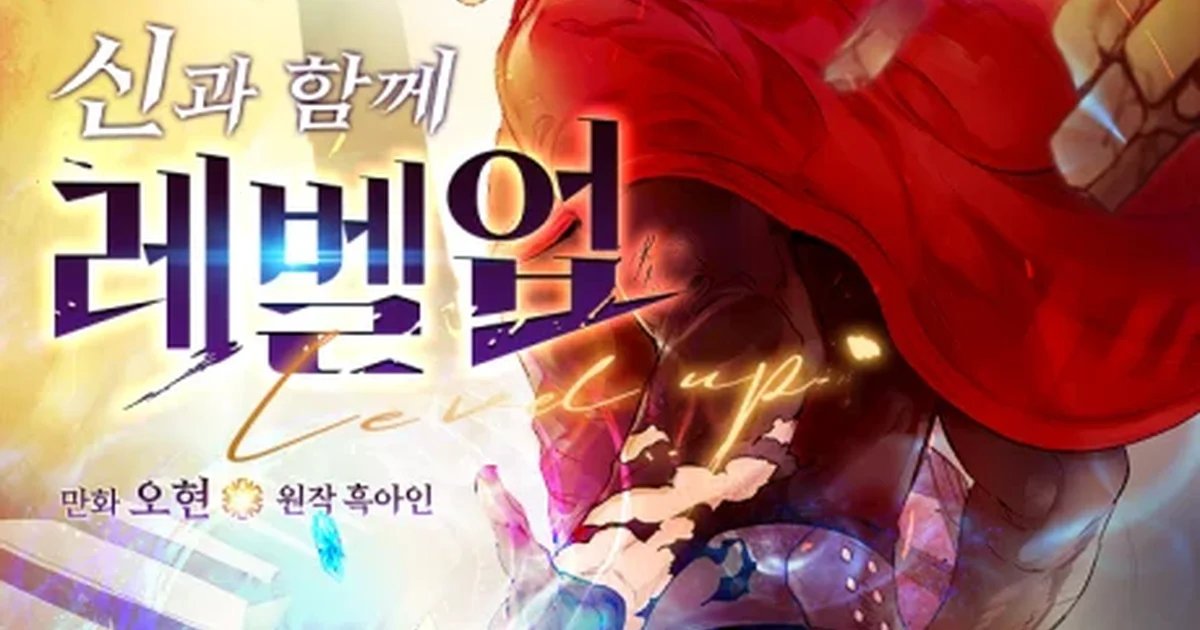
Manhwa like Level Up with the Gods is a request that narrows fast once you strip out the tower-climbing furniture. Yuwon's second climb works because the divine cast isn't scenery: every Inner God he meets is an argument about why the first attempt failed. The eight picks below are ranked by how much of that ingredient, gods functioning as mechanism instead of set dressing, they actually deliver.
TL;DR: Manhwa like Level Up with the Gods, ranked: 1. Tower of God (closest genre landmark, WEBTOON) 2. Second Life Ranker (Sun God-named tower, regression logic, Tapas) 3. Kubera (explicit Gods-and-Suras pantheon, WEBTOON) 4. Solo Leveling (the mainstream comparison, 201 ch completed) 5. Omniscient Reader's Viewpoint (Constellation gods, foreknowledge, latest listed Episode 308, ongoing/on hiatus with a will-return notice) 6. SSS-Class Revival Hunter (death-reset regression, 154 ch, Tapas) 7. Tomb Raider King (completed regression, 412 ch) 8. Overgeared (system-fantasy craft angle, different mechanic). Two are completed; six are ongoing.
Manhwa Like Level Up with the Gods: Key Takeaways
- Tower of God and Second Life Ranker are the closest structural matches: tower setting, mythology framing, foreknowledge used as strategy
- Kubera is the deepest cut on actual mythology, a Gods-and-Suras pantheon rather than tower-boss dressing
- Two picks (Solo Leveling, Tomb Raider King) are fully completed, useful while Level Up with the Gods sits on its post-Season 3 hiatus
- Every entry was checked against AniList for title, status, and chapter count before inclusion
- Overgeared closes the list as the deliberate outlier: same system-fantasy tags, a different core mechanic entirely
What Manhwa Like Level Up with the Gods Fans Actually Want
Strip the premise to its parts and three things carry the appeal. The tower itself, floors with rules, obstacles that scale, a structure a reader can track. The regression: Yuwon already failed once at the top, and his second climb is an argument with that failure, not a blank restart. And the part most comparison lists undersell, the mythology. Inner Gods and Outer Gods aren't reskinned bosses. They're characters with histories, and the plot's shape depends on what those histories mean.
Most "manhwa like X" lists for tower series stop at the first two ingredients and call it a match. I filtered these picks for the third one specifically, because a tower plus a foreknowledge gimmick with generic monster-of-the-week bosses is most of the genre, and it's not what made 169 episodes of Level Up with the Gods worth the tutorial-arc slog. Our Level Up with the Gods review breaks down where that mythology payoff lands against the slower opening.
1. Tower of God
Advertisement
 Tower of God by SIU, the genre's foundational text and still its biggest cast.
Tower of God is the reference point every tower manhwa gets measured against, Level Up with the Gods included (even its own review brings it up unprompted). Where Yuwon's tower is a mechanism aimed at one problem, SIU's tower is closer to a civilization: a caste system, Rankers who function as living legends rather than literal gods, more floors and more competing agendas layered on top of the climb.
Shared ground: obstacles that test more than combat stats, and a slow opening that pays off once the cast differentiates. Different scale: 652+ episodes across three completed seasons, on hiatus since Season 3 ended in February 2025, versus Level Up with the Gods's tighter, more mythology-explicit 169-episode run. Free on WEBTOON, no paywall. Readers who want the tower to feel genuinely enormous, not just tall, start here. Our full Tower of God review covers why the hiatus is the most frustrating part of reading it.
For where Level Up with the Gods sits against Tower of God specifically, including the pacing and cast-size tradeoffs:
Manhwa Like Tower of God →
2. Second Life Ranker
 Second Life Ranker by Sun-Woo Hwang, a tower named for its god and a dead brother's foreknowledge.
The tightest structural match on this list. Yeonwoo climbs the Tower of the Sun God carrying a dead twin brother's diary, which documents a run that ended in betrayal. Not future-memory in Yuwon's sense, it's inherited information, but the effect on the reading experience is nearly identical: a protagonist who knows more than the tower expects him to, using that gap deliberately instead of grinding blind.
The diary runs out around chapters 65 to 70, and the series has to earn its foreknowledge advantage fresh from there, a different rhythm than Yuwon's continuous regression. 219 chapters as of mid-2026, on hiatus since April 2026 with no confirmed Season 4 return date. Reads on Tapas. If the Inner Gods vs. Outer Gods conflict was your favorite part of Level Up with the Gods, the Sun God's role here scratches a nearly identical itch. The Second Life Ranker review has the full breakdown of where the diary structure pays off and where it strains.
3. Kubera
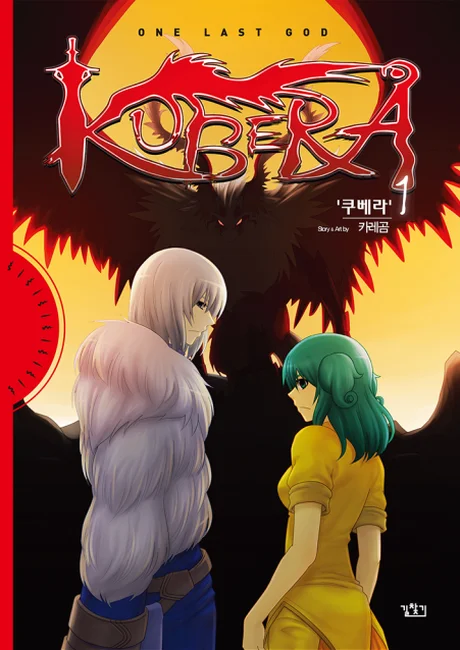 Kubera by Currygom, mythology as the entire operating system, not a tower accessory.
Kubera is the deepest mythology cut on this list, and it's the pick most readers researching manhwa like Level Up with the Gods actually miss. Fair warning: there's no tower here. Instead, the entire world runs on a named pantheon: Gods and Suras with distinct histories, hierarchies, and grudges that predate the story and keep shaping it, where Level Up with the Gods uses two categories of divine beings as a plot engine.
Slower burn, closer to political fantasy than combat-forward system fantasy, running since 2010 with no end in sight. What earns its spot: if the appeal of Yuwon's story was watching mythological figures behave like characters with stakes rather than reskinned bosses, Kubera does more of exactly that, at greater length. WEBTOON, ongoing.
4. Solo Leveling
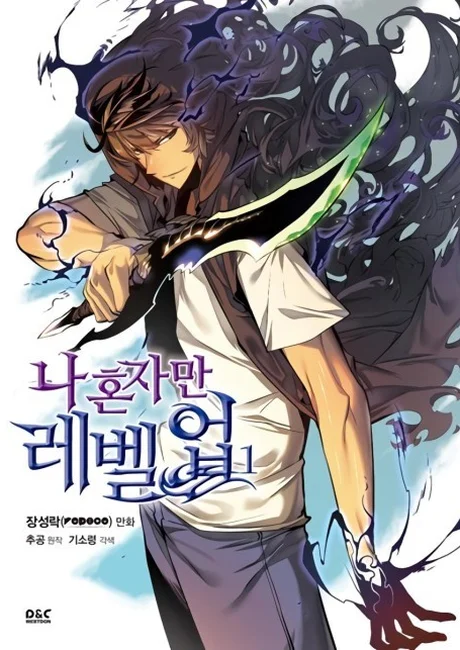 Solo Leveling by Chugong and DUBU, the comparison every tower-adjacent manhwa gets asked about.
The Level Up with the Gods review opens by addressing this exact question, is this just Solo Leveling again, and the honest answer is structurally adjacent, thematically distinct. Both run dungeon-and-gate progression with a protagonist who starts strong and gets stronger through a stat system. But Solo Leveling has no regression and no mythology framework; Jin-Woo's climb is a straight line, not an argument with a previous failure.
It earns the list anyway because it's the shared vocabulary readers use to describe the genre, and because it's completed. 201 chapters, finished, no hiatus to track. If the slow tutorial arc frustrated you, Solo Leveling's faster opening pace is the corrective. Available through Tappytoon and Tapas, with Yen Press print volumes. The Solo Leveling review has the full case for and against it.
5. Omniscient Reader's Viewpoint
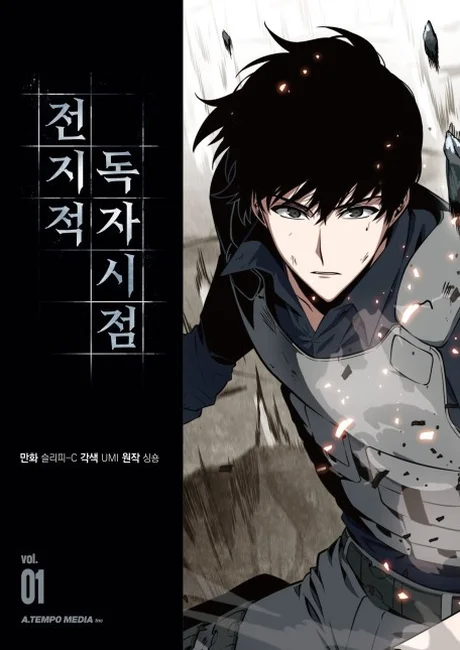 Omniscient Reader's Viewpoint by singNsong, foreknowledge from a novel instead of a first climb.
Kim Dokja is the only person who's read the web novel that's become his reality, so his advantage over everyone around him is informational, structurally close to what Yuwon carries into his second climb. The gods here are Constellations: entities who watch, grant power, and intervene according to rules the cast has to learn by living inside them, a looser, more abstracted version of the Inner and Outer Gods split, but the underlying idea, divine oversight with actual stakes attached, rhymes.
The latest listed manhwa release is Episode 308 (June 2, 2026) on WEBTOON, where a will-return notice marks an ongoing season break. The emotional ceiling runs higher than most system fantasy attempts, and the Omniscient Reader's Viewpoint review explains why chapter 16 is the point where that becomes obvious.
For the full breakdown of how Level Up with the Gods's tutorial arc compares to other regression openings, including the mid-series turn where the mythology payoff lands:
Level Up with the Gods Reading Guide →
6. SSS-Class Revival Hunter
 SSS-Class Revival Hunter (also known by the fan-translation title SSS-Class Revival Hunter), regression measured in deaths instead of climbs.
A different mechanism, same underlying appeal. Confucius Kim dies, copies his killer's ability, and resets to 24 hours before the death, so every fatal mistake becomes both a setback and an information gain. A tighter feedback loop than Yuwon's single failed climb, but the reading experience, foreknowledge stacked and used more carefully each pass, sits in the same lane.
154 total episodes as of mid-2026, Season 4 closed at chapter 151 before a hiatus, so if the Level Up with the Gods break is frustrating you, this one is currently on a similar pause. Tapas has the English release; Kakao Webtoon and KakaoPage carry the Korean original. The SSS-Class Revival Hunter review covers the title-confusion question if you know it as Suicide Hunter.
7. Tomb Raider King
 Tomb Raider King by Yoonz and 3B2S, regression with an actual ending attached.
Joo-Heon regresses with knowledge of which tombs hold which relics and which factions will move against him, a more grounded, treasure-hunting version of the foreknowledge-as-strategy structure that carries Level Up with the Gods. The relic system has real internal logic instead of being a generic loot table, which is the detail that makes the comparison hold up past the surface pitch.
The reason it's worth a slot on this specific list: it's finished. 412 chapters, a real ending, no open hiatus. An anime adaptation is airing on Crunchyroll covering the early arcs. If waiting on Level Up with the Gods's Season 4 is the problem, Tomb Raider King is the pick that doesn't leave you waiting twice. The Tomb Raider King review has the full rating and where the pacing sags.
8. Overgeared
Advertisement
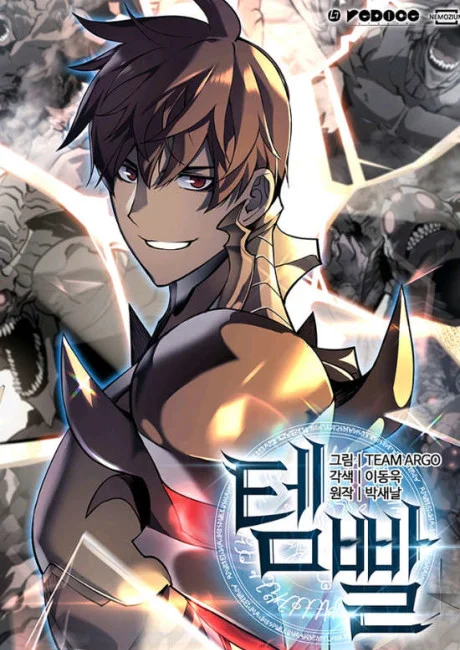 Overgeared by Saenal and Team Argo, the deliberate outlier: same tags, different engine entirely.
Included on purpose as the pick that breaks the pattern.
Grid wins fights by forging better gear in advance, not by outscaling opponents through stats or foreknowledge, which makes Overgeared a system-fantasy cousin rather than a mythology or tower match. There's no regression here and no divine cast running the plot.
Readers who liked Level Up with the Gods for its system-fantasy mechanics, stats and skills with real internal rules, rather than for the mythology or the tower, tend to like Overgeared for the same reason. 325+ chapters into an adaptation of a completed 2,059-chapter novel, on Tapas and WEBTOON, with a J.C.Staff anime premiering October 2026 on Crunchyroll. The Overgeared review covers why the crafting-class angle works.
Related Reading
- Level Up with the Gods Review, the 7.5/10 verdict on the mythology angle and where the tutorial arc drags
- Level Up with the Gods Reading Guide, the two-climb structure and how to read the Inner vs. Outer Gods arc
- Manhwa Like Tower of God, the wider tower-climbing genre ranking
- Best System Fantasy Manhwa, where stat-and-skill mechanics sit across the genre
- Best Manhwa with OP Main Character, the broader OP MC list this series belongs to
Frequently Asked Questions
What should I read while Level Up with the Gods is on hiatus?
Second Life Ranker is the closest structural match: a tower named for a god, a protagonist working from inherited foreknowledge, and a regression-adjacent power curve. Tower of God is the genre landmark if you want the tower to feel bigger and stranger. Tomb Raider King is worth it specifically because it's finished, no second hiatus to wait through.
Is there a manhwa like Level Up with the Gods that's already completed?
Tomb Raider King finished at 412 chapters with the regression premise carried through to a real ending, and Solo Leveling completed at 201 chapters. Both give you the full arc without an open hiatus.
What manhwa has a similar mythology-based power system to Level Up with the Gods?
Kubera builds its entire world around Gods and Suras with named mythological figures functioning as its power structure. Second Life Ranker names its tower after the Sun God directly. Omniscient Reader's Viewpoint uses Constellations, god-tier beings who watch and intervene, as a looser but related version of the same idea.
Is Second Life Ranker similar to Level Up with the Gods?
Yes, more than most picks on this list. Both run a protagonist climbing a tower with information the people around him don't have, both build the tower around an explicit deity, and both use that foreknowledge as a strategic tool rather than a shortcut.
Are these manhwa on Tapas or WEBTOON?
Split fairly evenly. Second Life Ranker, SSS-Class Revival Hunter, Overgeared, and Tomb Raider King run on Tapas. Tower of God, Omniscient Reader's Viewpoint, and Kubera are on WEBTOON. Solo Leveling's English release runs through Tappytoon and Tapas.
Which pick has the closest tower-climbing structure to Level Up with the Gods?
Tower of God and Second Life Ranker are the two closest on structure. Tower of God is the wider, more political version with a much larger cast; Second Life Ranker is the tighter, more personal version built on a single protagonist's stolen foreknowledge.
References
- Level Up with the Gods on AniList, status and chapter data verification
- Tower of God on WEBTOON, official English publication
- Second Life Ranker on AniList, status, popularity, and staff verification
- Kubera on WEBTOON, official English publication