The Knight Only Lives Today review, because the regression manhwa genre is large enough now that it needs internal rankings. The series was formerly published as Eternally Regressing Knight. Not all regression series are doing the same thing. Soul Pung and Leean's series belongs in the tier that understands what makes the mechanic actually work.

Reviewing
The Knight Only Lives Today
Soul Pung (story), Leean (art) · Naver Webtoon / WEBTOON
Score
Pros
- Regression mechanic generates genuine cost: Encrid loses something every loop, not just time
- Character Esther avoids the usual passive love-interest structure; her arc develops independently
- Military and survival framing gives the power progression grounded stakes
- Art conveys exhaustion and physical weight better than most action manhwa in this genre
Cons
- Pacing in mid-series arcs (around chapters 60 to 75) slows the momentum built in the opening
- Some supporting characters are underwritten relative to the space they occupy in the narrative
Verdict
A regression manhwa that understands the mechanic needs cost, not just power accumulation. One of the better entries in a crowded genre.
TL;DR: The Knight Only Lives Today is a 8.5/10 regression manhwa where the loop costs something each time. Encrid isn't grinding through clean power-ups; he's accumulating damage, knowledge, and loss simultaneously. At 112 numbered episodes, it is one of the stronger entries in the genre. WEBTOON marks Episode 112 as the Season 1 finale and says the series will return.
The Knight Only Lives Today review: quick answer
Worth reading if you want regression with psychological weight. Not worth it if you're specifically after a fast dopamine hit from power accumulation. The series is grimmer than the genre average and more interested in what regression takes from its protagonist than what it gives him.
Key Takeaways
- The Knight Only Lives Today review: 8.5/10, one of the better regression manhwa currently running
- Encrid's regression generates cost, not just power gain. The mechanic has actual consequences
- Esther's arc is one of the stronger supporting character storylines in recent regression series
- Art by Leean handles exhaustion and physical weight unusually well for the genre
- Mid-series pacing sag around chapters 60 to 75 is real but not fatal
- Available on WEBTOON in English; 112 numbered episodes through the August 27, 2026 Season 1 finale, plus three afterwords
Overview
Encrid is a knight who dies in battle and regresses. That's the premise. The complication is that Leean and Soul Pung aren't running this as a wish-fulfillment story. Each loop takes something out of him. The series tracks what he knows (the terrain, the enemies, which allies can't be saved) but also what it does to a person to carry that knowledge. The question the series keeps returning to is whether retention is a gift or a burden that only looks like one.
The setting is military fantasy without a dungeon system or game interface. There's no stat screen, no levels, no quest window. Encrid survives through accumulated experience, practical skill, and the specific knowledge that comes from having died in every way you can die in a given battle. The framing makes the power progression feel more earned than most of the genre manages.
The character Esther gets a significant amount of the story. Her chapters generated extended reader discussion around mid-series, which is usually the sign that a supporting character is doing something structurally more interesting than the genre default. Her arc has an independent trajectory that doesn't reduce her to existing as a motivation or reward structure for the protagonist. That's not nothing in this genre.

Art & Story
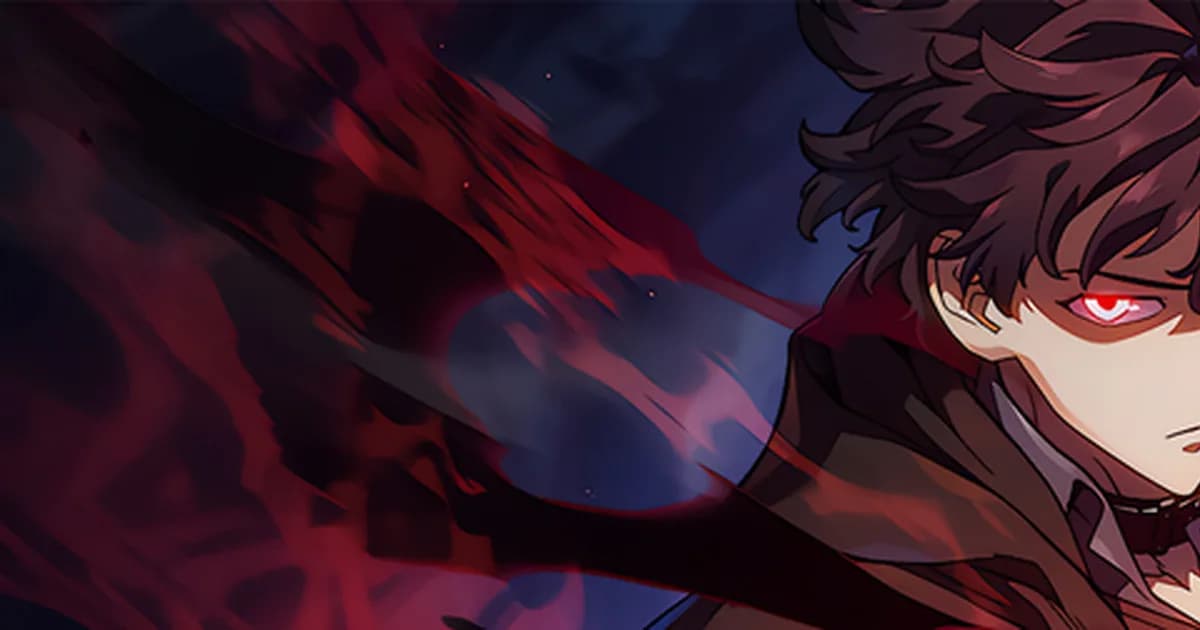
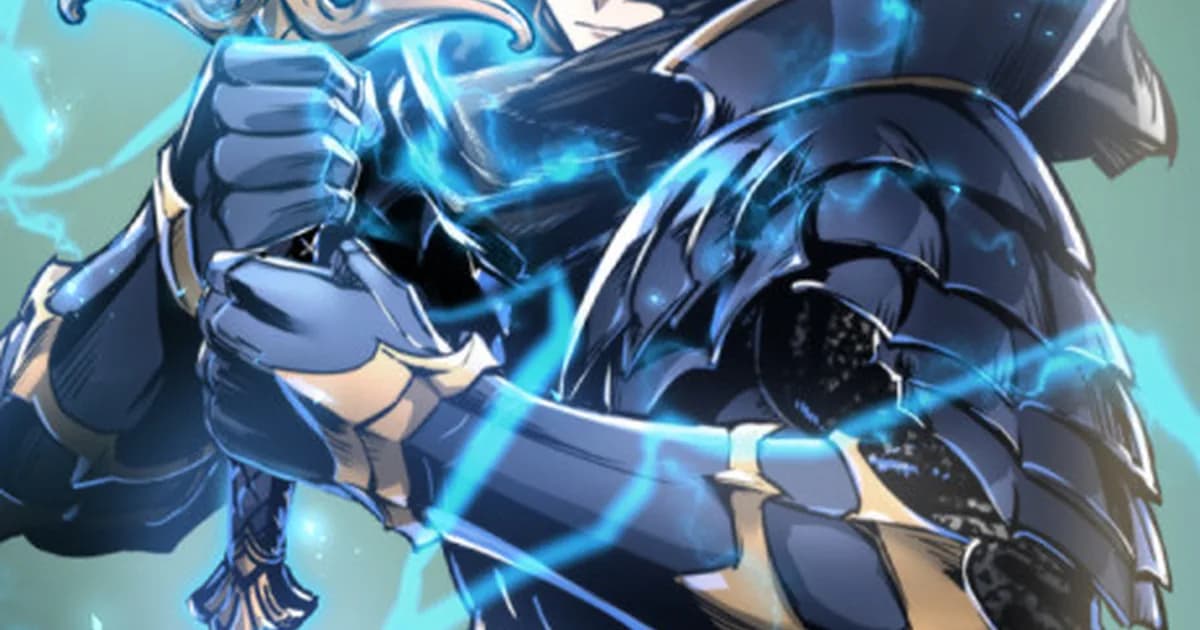
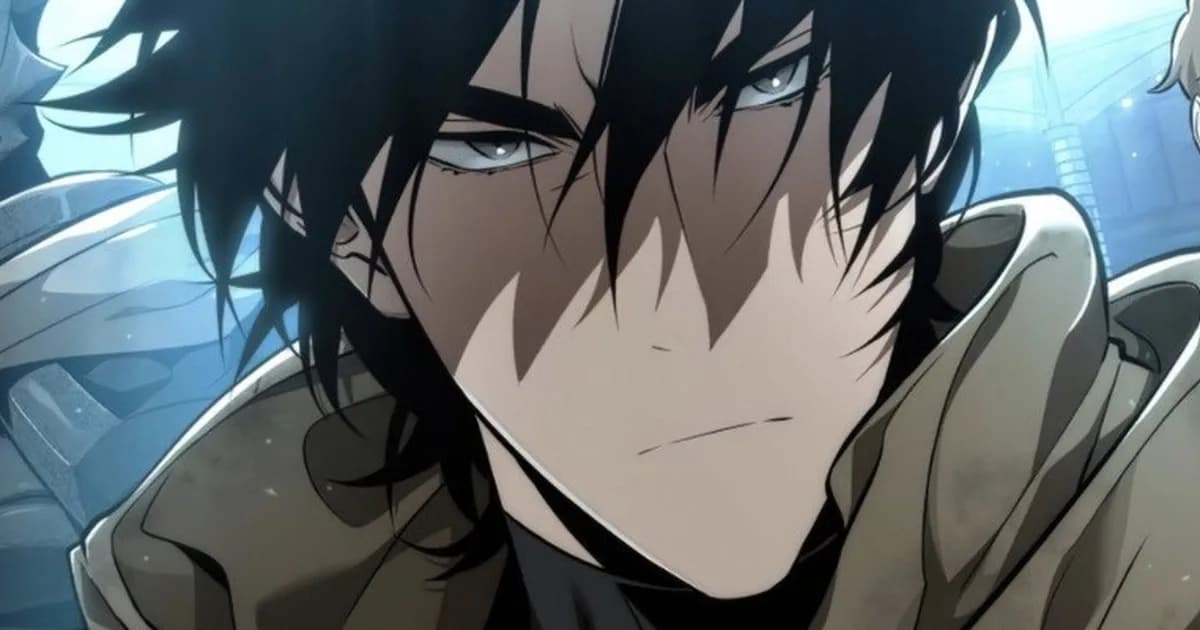
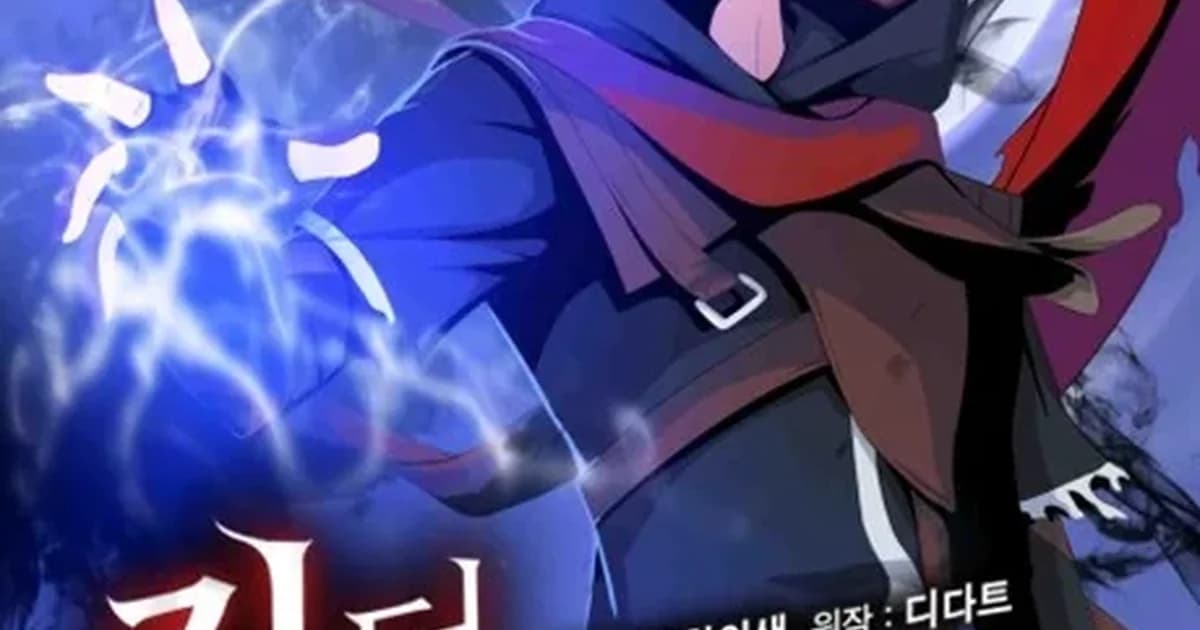
Leean's art does something specific that's worth noting separately from the story. The fights in The Knight Only Lives Today look physically exhausting. Encrid's posture after a fight, the way injuries accumulate visually over a loop, the difference between how he moves when he's confident and when he's running out of options: all of this is read through composition rather than narration.
Most action manhwa render power as clean upward momentum. Leean renders it as controlled damage management. A protagonist who's survived fifty loops of the same battle looks like someone who has survived fifty loops of the same battle. That visual commitment to cost is consistent through the 112 numbered episodes, which is harder to maintain than it sounds.
Panel flow in the fight sequences is clean without being frantic. The choreography reads; you understand what happened and what it cost before the narration confirms it.

Where the series earns its rating
The opening arcs establish the regression mechanic honestly. The first death is not quick or triumphant. The first few loops establish that Encrid has a real skill ceiling, that some outcomes are genuinely beyond him at this stage, and that regression is not a reset button. By the time he's built enough knowledge to start changing outcomes, the reader has seen what those outcomes cost.
The series uses the regression mechanic to do what it's supposed to do: build character through iteration. Encrid is a specific person shaped by specific failures, not a blank protagonist who happens to get power-ups through dying. His relationships with recurring characters carry accumulated weight because those relationships have been built and destroyed across multiple loops.
For context on where The Knight Only Lives Today sits in the broader regression genre:
Manhwa Like SSS-Class Revival Hunter →

Where the series loses momentum
The mid-series sag is around chapters 60 to 75. The core regression mechanic is established, the major early characters are in place, and the series spends a block of chapters consolidating before the next push. It's not bad work, but it's noticeably slower pacing compared to the opening. Readers who started the series for the progression momentum may feel this stretch more than readers who came for the character development.
Some supporting characters in the secondary cast are underwritten relative to how much story space they occupy. Not all of them. Esther's arc specifically is developed. But there are characters who feel like they exist primarily to deliver information or die in ways that affect Encrid. That's a genre-wide problem and The Knight Only Lives Today manages it better than most, but it hasn't solved it.
For a different approach to the same regression genre, with dark comedy as the primary register:
SSS-Class Revival Hunter Review →
The Knight Only Lives Today vs. other regression manhwa
The comparison that matters is to the broader field. SSS-Class Revival Hunter is more inventive with its death-copy mechanic, darker in comedy, and structurally unique. Doom Breaker uses regression with heavier grief weighting. The Knight Only Lives Today sits between those two on the spectrum: grimmer than most progression manhwa, more grounded than SSS-Class's inventive system, more survival-focused than Doom Breaker's emotional center.
Our best completed manhwa list (linked in Related Reading below) covers options for readers who want a finished series before committing. The Knight Only Lives Today is not finished: Season 1 ends at numbered Episode 112, followed by three afterwords, and WEBTOON says the series will return.
The Knight Only Lives Today review: verdict
8.5/10. The Knight Only Lives Today earns the number by doing the regression mechanic honestly. It's a series that understands the premise requires cost, not just power accumulation, and commits to that understanding across 112 numbered episodes.
The Good
- Regression mechanic generates genuine cost: Encrid loses something every loop, not just time
- Character Esther avoids the usual passive love-interest structure; her arc develops independently
- Military and survival framing gives the power progression grounded stakes
- Art conveys exhaustion and physical weight better than most action manhwa in this genre
The Cons
- Pacing in mid-series arcs (around chapters 60 to 75) slows the momentum built in the opening
- Some supporting characters are underwritten relative to the space they occupy in the narrative
For regression manhwa specifically, this is near the top of the current field.
Frequently Asked Questions
Is The Knight Only Lives Today good? 8.5/10. Yes, particularly for readers who want regression with psychological consequence rather than a clean wish-fulfillment story.
How many episodes does it have? 112 numbered episodes as of the August 27, 2026 Season 1 finale, plus three afterwords. WEBTOON says the series will return; the Korean original is on Naver Webtoon and English is on WEBTOON.
Who is Esther? A major character with an independent arc. Her mid-series storyline generated significant reader discussion and is one of the stronger supporting character arcs in recent regression manhwa.
What's the regression mechanic? Encrid dies and regresses with memories intact, but the series emphasizes what each loop costs rather than just what it provides.
Is it completed? No. Season 1 ends at numbered Episode 112, followed by three afterwords, and WEBTOON says the series will return.
Where to read? WEBTOON in English.
How does it compare to SSS-Class Revival Hunter? Different registers: SSS-Class is darker comedy with a uniquely inventive death-copy system. The Knight Only Lives Today is grimmer and more grounded in military survival. Both handle the mechanic well.
Related Reading
- SSS-Class Revival Hunter picks and review are linked in the GODEEPER callouts above.
- Best Completed Manhwa →: for readers who want a finished series before starting something ongoing
- Best Action Manhwa 2026 →: full field overview for the action genre
- Return of the Blossoming Blade Review →: 9.1/10 murim manhwa review for genre context
- The Knight Only Lives Today Reading Guide (112 Episodes): Episode breakdown and reading tips for The Knight Only Lives Today.
- Manhwa Like The Knight Only Lives Today: 7 Top Picks: Top manhwa picks for fans of The Knight Only Lives Today.
- Best Sword Manhwa: 8 Swordsmanship-First Series: lists The Knight Only Lives Today as the sword-training loop pick, where every repeated day adds skill.
References
- The Knight Only Lives Today on WEBTOON: 112 numbered episodes through the Season 1 finale, plus three afterwords; the listing says the series will return
- Naver Webtoon (original Korean serialization)
- r/manhwa community