Loading…
ChapterBrief · Reviews
Kill the Hero Manhwa Review: Anti-Hero Revenge Done Right
Kill the Hero manhwa review: 153 chapters, completed on Tapas. Woojin hunts the false hero who betrayed him. Cold, strategic, not WEBTOON. Rating: 7.2/10.

Reviewing
Kill the Hero
D-Dart · Tapas
7.2
Score
7.2/ 10
Tapas
Pros
- Anti-hero protagonist whose cold, calculated approach feels genuinely distinct from power-fantasy regression
- Completed at 153 chapters, satisfying ending that pays off the setup
- Strategic dungeon play and scheming rather than raw stat inflation
- Consistent tone throughout, never softens Woojin into a conventional hero
Cons
- Secondary characters remain thin for most of the run
- Manhwa version skips some ability acquisition details from the original web novel
- Pacing drags in the middle stretch (chapters 70-100 approximately)
Verdict
Kill the Hero earns its place among completed regression manhwa. The anti-hero framing is the series' actual strength, not a marketing hook.
Kill the Hero manhwa review: this is not a story about a hero learning to be better. The title means exactly what it says. Woojin IS the villain by conventional standards, at least in the eyes of every other character for most of the run. Kill the Hero works precisely because it commits to this framing and never flinches.
TL;DR: Kill the Hero is a completed 153-chapter regression manhwa on Tapas. The protagonist is a cold, strategic anti-hero rather than a misunderstood hero. Rating: 7.2/10, recommended for readers who want a finished revenge story with an actual villain protagonist.
Most regression manhwa give their protagonist a second chance and then pivot into a strength-progression arc. The protagonist gets stronger, forms bonds, saves people, and the revenge element becomes secondary to growth and heroism. Kill the Hero does not do this. Kim Woo-Jin returns to the past with a single stated purpose: to destroy Kim Se-Jin, the man known as "the hero," who killed him and left him to die at the bottom of a dungeon.
Kill the Hero Manhwa Review: Key Takeaways
Kill the Hero completed its run in 2021 with a conclusive ending. It's on Tapas, not WEBTOON. That's the main source of all the "where do I find this" confusion. The original story is by D-Dart, the manhwa art is handled by the Manhwa Insaeng team.
The series has 4.1 million views and 62.1k subscribers on Tapas. AniList scores it at 73/100 with a popularity count of 22,109, respectable for a series that never got much Western visibility. The series never appeared on WEBTOON's platform, which means it missed a significant portion of the Western manhwa readership.
Important for potential readers: the manhwa version is an adaptation of the original D-Dart web novel and reportedly omits some details from the novel regarding Woojin's ability acquisition. If you read the web novel first, the manhwa will feel compressed. If it's your entry point, it's self-contained and complete.
Overview: The Anti-Hero Regression Setup
Kim Woo-Jin was an S-rank player, one of the most capable hunters in a world where dungeons had opened up across Korea. He trusted Kim Se-Jin, leader of his guild and the publicly celebrated "hero," and that trust ended with his death at the bottom of a dungeon, killed by the man he followed.
The regression restores Woo-Jin to before his awakening as a player. He remembers everything from his previous life: which dungeons contain which monsters, how Se-Jin's power base is constructed, and who the key figures are on both sides. He doesn't use any of it to save anyone. He uses it to build power quietly, collect specific abilities from dungeon monsters, and slowly dismantle Se-Jin's reputation from underneath him.
What distinguishes this setup from most regression manhwa is that Woo-Jin never frames himself as the good guy. He manipulates other players, forms alliances of convenience that he intends to discard, and lets people believe things about him that are not true. He's not a misunderstood hero in villain's clothing. The series asks you to root for someone doing cold, calculated things, and it doesn't soften this by revealing some hidden noble motive halfway through.
For readers familiar with the best regression manhwa of 2026, this is the more morally ambiguous end of the genre, closer to absolute villainy stories than traditional revenge arcs. Readers who enjoyed Kill the Hero's solo regression arc often move to The 31st Piece Turns the Tables, which takes the same lone-wolf premise into a tabletop game reincarnation.
See our The 31st Piece Turns the Tables Reading Guide for a complete arc breakdown.
Art Style and Presentation
Advertisement
The art does what it needs to. Dungeon environments are detailed enough to feel dangerous, monster designs are varied across the progression, and the action sequences are readable. It's not visually stunning. Woo-Jin's design is deliberately understated, which fits his low-profile approach, but the art stays consistent throughout 153 chapters. That matters more than it sounds.
The color work is digital and polished without being exceptional. The scheming sequences (long runs of conversation and information management) are competent but not memorable visually. The series saves its visual ambition for the larger dungeon raid sequences, which are better staged than the quieter scenes.
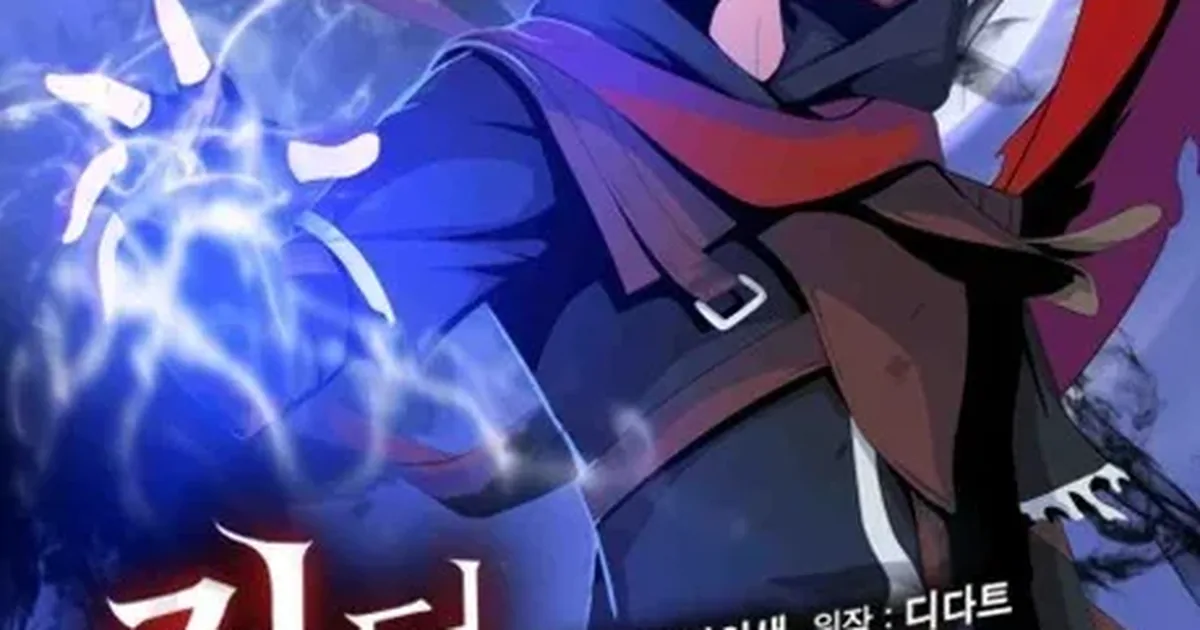 The series keeps Woo-Jin's design deliberately understated. No flashy aesthetic, no hero iconography.
Story: Where Kill the Hero Earns Its Score
The first 30-40 chapters establish Woo-Jin's method clearly. He is collecting abilities by clearing dungeons solo, allowing himself to absorb skills from specific monster types that most players overlook because the ability-granting mechanics are not widely understood. The result is a build that appears weak to observers and is quietly assembling toward something only he can see.
This first stretch is Kill the Hero at its best. The gap between what other characters believe about Woo-Jin and what the reader knows creates sustained tension without requiring action set pieces. It's a slow burn that actually pays attention to its own logic.
The middle section (approximately chapters 70 through 100) loses some of this tension. The scheming becomes repetitive before the confrontation arc builds toward the series' final chapters. The series recovers. But if you put it down around chapter 80 because the pacing dragged, you weren't wrong.
The SSS-Class Revival Hunter reading guide covers a different type of regression, one built around a death mechanic and a more traditionally heroic protagonist, and comparing the two shows exactly what Kill the Hero is doing differently. SSS-Class Hunter softens its protagonist over time. Kill the Hero does not.
The final act resolves the central conflict convincingly. The ending earns the premise. That's not guaranteed in completed manhwa. A lot of revenge plots reach their ending and that's it. Kill the Hero actually earns it.
What Kill the Hero Gets Right
The Good
- Anti-hero framing is never walked back: Woojin's coldness and calculated manipulation are the actual character, not a mask over a secret noble heart
- Completed at 153 chapters with a conclusive ending that pays off the revenge setup
- Strategy and information management (who knows what about Woojin, when) maintained consistently across the full run
- Ability collection system tracked logically throughout
The Cons
- Secondary characters underdeveloped throughout; the cast beyond Woojin and Se-Jin exists to be moved around
- Pacing drags in chapters 70-100 before the confrontation arc builds
- Manhwa adaptation skips some ability acquisition detail from the original D-Dart web novel
The consistent anti-hero framing is the series' primary success. Woo-Jin's coldness is never walked back. The story doesn't give him a romantic subplot to humanize him, doesn't reveal he secretly has a heart, and doesn't end with him becoming a recognized hero. He wanted specific revenge and executes it specifically.
The strategy elements hold up over 153 chapters. Woo-Jin's ability collection is tracked logically. The information management, who knows what about him, when, is maintained consistently. For a 153-chapter series, keeping the rules internally consistent the whole way is harder than it sounds.
Completion is itself a feature. The best completed manhwa list matters precisely because so many manhwa either go on indefinite hiatus or run past their natural stopping point. Kill the Hero ends where it should.
What Kill the Hero Gets Wrong
Secondary characters are underdeveloped throughout. The cast beyond Woo-Jin and Se-Jin exists to be moved around. If you need emotional investment in the supporting characters, you'll be disappointed. They're furniture, deliberately.
The ability system, while internally consistent, gets complicated enough in the later chapters that readers who set the series down for an extended period may need to backtrack. The series doesn't recap its mechanics.
The manhwa-novel divergence (the adaptation skipping some ability acquisition content) is noticeable specifically when Woo-Jin gains a skill that was explained more completely in the web novel source material. The manhwa version sometimes drops skills in without adequate setup.
Kill the Hero manhwa review: verdict
Advertisement
Kill the Hero is worth reading if you want a completed regression manhwa with a protagonist who does not get redeemed. The anti-hero framing isn't a marketing pitch. It's the actual structural choice the series makes and holds for 153 chapters. The mid-series drag is real, the secondary cast is thin, and the manhwa drops some web novel detail. But the core premise is delivered on.
Rating: 7.2/10. If you want a finished revenge story with an actual villain protagonist, it's on Tapas. While you're there, God of Blackfield is worth knowing -- another Tapas exclusive that pivots from school revenge into military spy thriller territory around episode 50, 280 episodes across three complete seasons.
Finished Kill the Hero and want more completed regression manhwa?
Best Completed Manhwa: 15 Finished Series Worth Starting ->
Related Reading
- Kill the Hero Reading Guide, full arc breakdown with chapter ranges and what the side stories add
- Manhwa Like Kill the Hero, six picks for readers who want the same cold, unredeemed strategist structure
- SSS-Class Revival Hunter Review, another major Tapas action series with an unusual protagonist ability
- God of Blackfield Review, anti-hero revenge that becomes a spy thriller -- same platform, very different genre by Season 2
Frequently Asked Questions
Is Kill the Hero manhwa completed? Yes. Kill the Hero is fully completed at 153 chapters (the Tapas edition counts 156 episodes including extras). The series finished in 2021 with a conclusive ending.
Where can I read Kill the Hero manhwa? Kill the Hero is available on Tapas, not WEBTOON. Many readers search WEBTOON and can't find it, that's the main source of confusion. The series is on Tapas with a coin system for the latest 78 episodes and free access for older chapters.
Is Kill the Hero manhwa worth reading? If you want a completed regression manhwa where the protagonist is genuinely an anti-hero rather than a misunderstood hero, yes. The series does not soften Woojin or give him a redemption arc, he hunts the false hero for calculated revenge. If you need a likable protagonist, it's not the right pick.
How does Kill the Hero compare to Solo Leveling? They share surface elements: solo dungeon hunter, regression premise, Korean web novel origin. The tone is completely different. Solo Leveling is a strength-progression story where Sung Jinwoo becomes the strongest. Kill the Hero is a revenge story where Woojin plays everyone against each other. The reader's relationship to the protagonist is intentionally different.
Does the Kill the Hero manhwa follow the web novel? Partially. The manhwa adapts the core story but reportedly omits some ability acquisition details from the original D-Dart web novel. Readers who read the novel first sometimes find the manhwa version skips canon details that explain Woojin's specific skills. The main plot beats are preserved.
Who are the main characters in Kill the Hero? The protagonist is Kim Woo-Jin, an S-rank player who was killed by guild leader Kim Se-Jin (known publicly as "the hero") after trusting him. After regression, Woojin builds his power independently while systematically dismantling Se-Jin's reputation and allies. The cast beyond these two remains secondary throughout the series.
References
- Kill the Hero on Tapas, 156 episodes, 4.1M views, completed
- Kill the Hero on AniList, score 73/100, 153 chapters, FINISHED status
About the author

Senior Manhwa Critic & Analyst
Manhwa critic and former Korean-to-English webtoon translator with 8 years reading across 40+ genres. London-based. Tracks everything from power-progression to slice-of-life romance.
- 8 years reading manhwa across 40+ genres
- Former Korean-to-English webtoon translator
- 500+ manhwa titles completed
- Specializes in progression systems and power-scaling analysis




Disclaimer
This article is published for informational and entertainment purposes. It does not constitute professional financial, legal, or technical advice. Series availability, platform access, translation status, and chapter counts change. Verify critical details (pricing, regional availability, official translation status) with publishers and platforms. Affiliate links, where present, help support our editorial work and are labelled in our affiliate disclosure.
Comments
Loading comments…