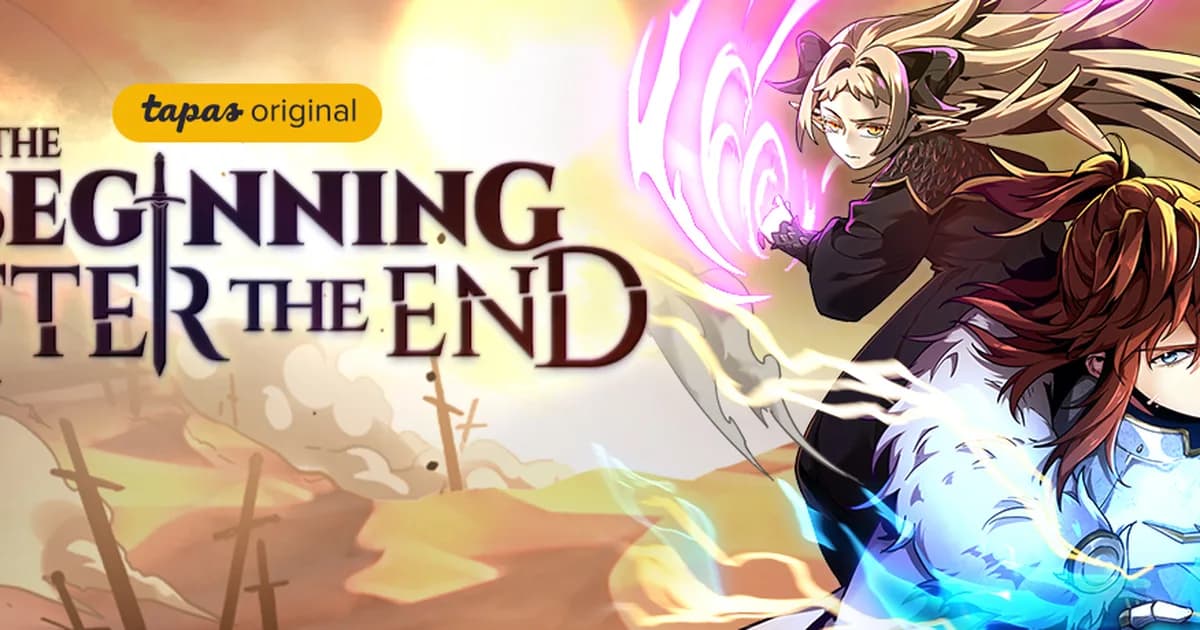
The Beginning After the End reading guide: novel or manhwa first, what to expect from the childhood arc, and where the story currently stands across both formats.
TL;DR: The Beginning After the End reading guide: novel vs manhwa, where to start, how they differ, and what to expect from Arthur Leywin's reincarnation arc.
This guide starts with a format question: novel or manhwa? TBATE exists in both versions, and which to start with shapes the experience significantly. The novel has more content and is further ahead in the story. The manhwa has visuals, pacing changes, and a production quality that makes the same events land differently. Both are the same story.
Read whichever format suits you. Everything below covers what to expect from either entry point.
The Beginning After the End reading guide: key takeaways
- TBATE exists as both a web novel (complete, 529 chapters, read via Kindle ebook or audiobook) and a manhwa adaptation (ongoing, Tapas)
- The novel finished in November 2025; Tapas currently lists 299 episodes for the ongoing manhwa, whose episode numbering is not one-to-one with novel chapters
- The early chapters are intentionally slow; Arthur starts as an infant and the pacing reflects his actual age and experience
- The academy arc is where most readers identify the series as fully hitting its stride
- Anime adaptation by Studio A-Cat: Season 1 (2025), Season 2 aired and finished on Crunchyroll (spring 2026); both novel and manhwa are far ahead of what the anime has covered
Step-by-Step
Step 1: Choose your format. Both the novel (Kindle ebook or Podium audiobook) and the manhwa (Tapas) start at the same point in the story. If you are a visual reader, start with the manhwa. If you are already comfortable with web novels, start with the novel; the complete story is there and the manhwa trails it by a significant margin in chapter coverage.
Step 2: Start from Chapter 1, in order. The early childhood chapters are structural, not skippable. Arthur starts as an infant. The relationships and world-understanding built in these chapters are load-bearing for every arc that follows. Starting in the middle produces confusion about character relationships the series never recaps.
Step 3: Push through the childhood arc. Most readers identify a slow stretch in the first 20-30 chapters. The payoff for this section does not arrive until the academy arc. The pacing reflects Arthur's actual age and limited agency as a child, which is intentional. The moments where his previous-life instincts bleed through are the section's best material.
Step 4: When the manhwa runs out, switch to the novel. The manhwa adaptation is far behind the novel's story coverage, and the novel is now complete. Readers who exhaust the manhwa can continue from the same story point in TurtleMe's novel via the Kindle ebook editions or the Podium audiobook (the novel is no longer readable on Tapas). The transition is not seamless (pacing and scene framing differ) but the plot is continuous.
Step 5: Check the manhwa's current episode count before switching formats. Tapas currently lists 299 episodes and updates every Thursday. The novel's 529-chapter numbering is a different format, so confirm the story point on Tapas and use the official chapter or volume guide before making the switch.
The Beginning After the End Reading Guide: Overview
Advertisement
King Grey is the most powerful fighter in his world. He achieved that through absolute dedication: training over relationships, skill over connection, dominance over everything else. He dies, still powerful, still alone.
He wakes up as Arthur Leywin, an infant in a world built around mana and magical attributes, where power comes from trained aether and inherited potential rather than raw physical cultivation. He has all his memories. He knows what he lost in his previous life by prioritizing strength over people. This second chance, he intends to do it differently.
That dual motivation (continuing to pursue power while learning to build real relationships) runs through the entire series. TBATE is a wish-fulfillment story, but the wish-fulfillment structure is complicated by the fact that its protagonist already knows what pure power without connection costs.
The world he's reincarnated into has its own power structures, dangers, and political history that the series unfolds gradually. There are dungeons with dangerous magical creatures, noble houses with competing interests in mana bloodlines, and a larger geopolitical situation that eventually intersects with Arthur's development. The world-building is incremental: the early chapters show Arthur's immediate environment in detail, and the larger world comes into focus as his mobility and influence expand.
The magic system
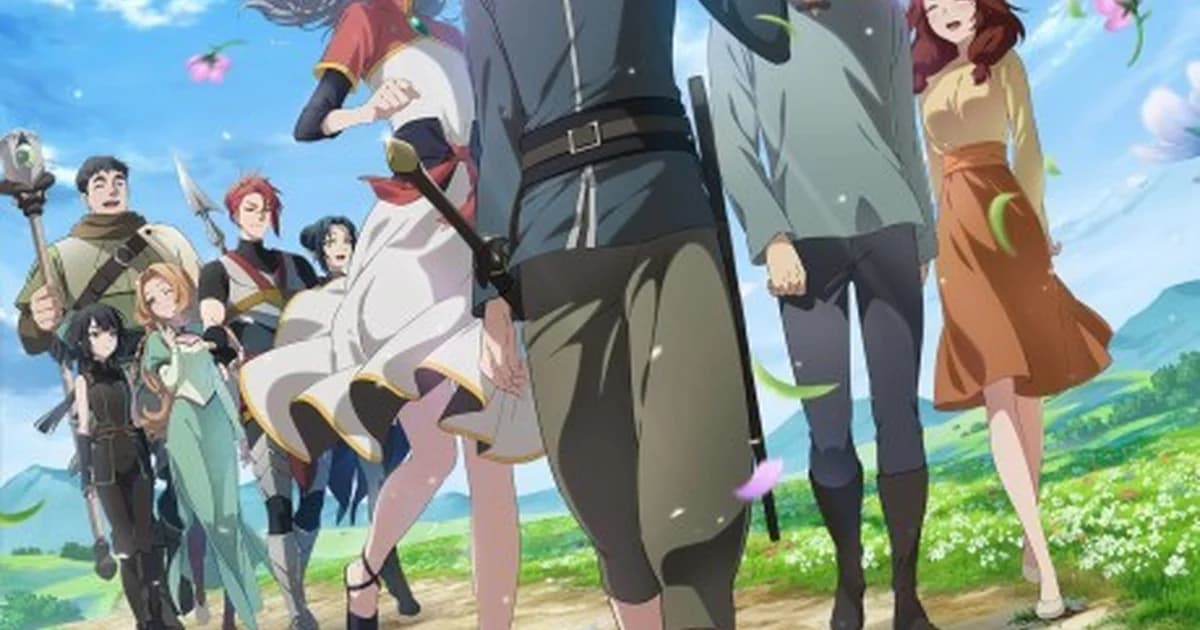
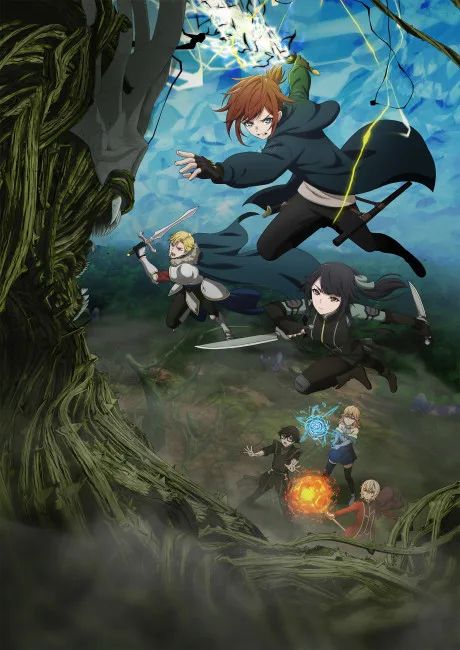 The Beginning After the End Season 2 anime (2026). Source: AniList / Studio A-Cat.
TBATE's magic system is one of the reasons the series sustains interest across a long run. Aether is the base energy underlying all magic, refined internally and expressed through different attributes (fire, water, lightning, spatial, etc.) that each have distinct combat applications. Mana cores (internal chambers where aether is stored and processed) have quality tiers that determine potential, but cultivation and specific attribute compatibility affect how that potential develops.
What separates the system from generic fantasy is that attributes aren't simply elements to swap between. A spatial-attribute user fights completely differently from a fire user, not just in what they conjure but in how they think about combat. The series uses these distinctions to give different characters genuinely different problem-solving approaches rather than just different visual effects.
Arthur's specific situation (his previous-life combat instincts interacting with this world's aether system) is where the system generates its most interesting moments. He has tactical knowledge that doesn't map cleanly onto TBATE's magic framework. Learning how his old understanding applies, conflicts with, or enhances the new system is the series' intellectual through-line.
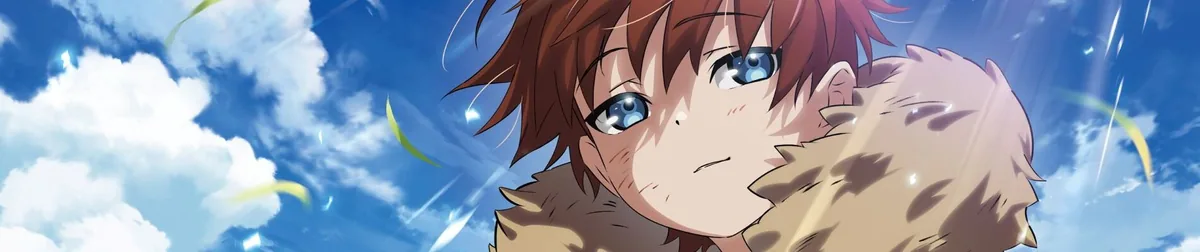 Promotional art from The Beginning After the End. Source: AniList.
The novel vs the manhwa
The novel is the original version, and as of November 2025 it's also the finished one. TurtleMe concluded the story at chapter 529 after about ten years of serialization, and the novel's writing covers the arc structure and world-building in detail that the adaptation necessarily compresses. For readers who want the complete story, the novel is the only option; the manhwa trails it by a significant margin in story progression. As of this audit, Tapas lists 299 episodes for the ongoing manhwa. Episode and novel chapter labels are different formats, so the gap should not be calculated by direct subtraction.
The manhwa adapts the novel visually with production quality that rewards readers who came to TBATE from visual manhwa. The magic system (aether and mana visualized as flowing energy, the distinct casting aesthetics for different attributes) translates into something the novel describes but the manhwa shows. Character design work gives the large cast memorable visual identities. If you've read the novel and want to revisit early arcs, the manhwa version of those sections is worth experiencing separately.
Which to start with: if you're a visual reader who prefers manhwa format, start there and switch to the novel when the manhwa's coverage runs out. If you're already comfortable with web novels, start with the novel. The complete story is there.
The arc coverage gap in concrete terms: the manhwa has moved well past the Xyrus Academy arc and is now deep into post-academy material. Tapas lists 299 episodes, while the novel's 529-chapter numbering is a different format. Readers who read only the manhwa are seeing a substantial but incomplete portion of a much longer, already-concluded story.
For the full isekai manhwa ranked list including other reincarnation series:
Best Isekai Manhwa →
The childhood arc
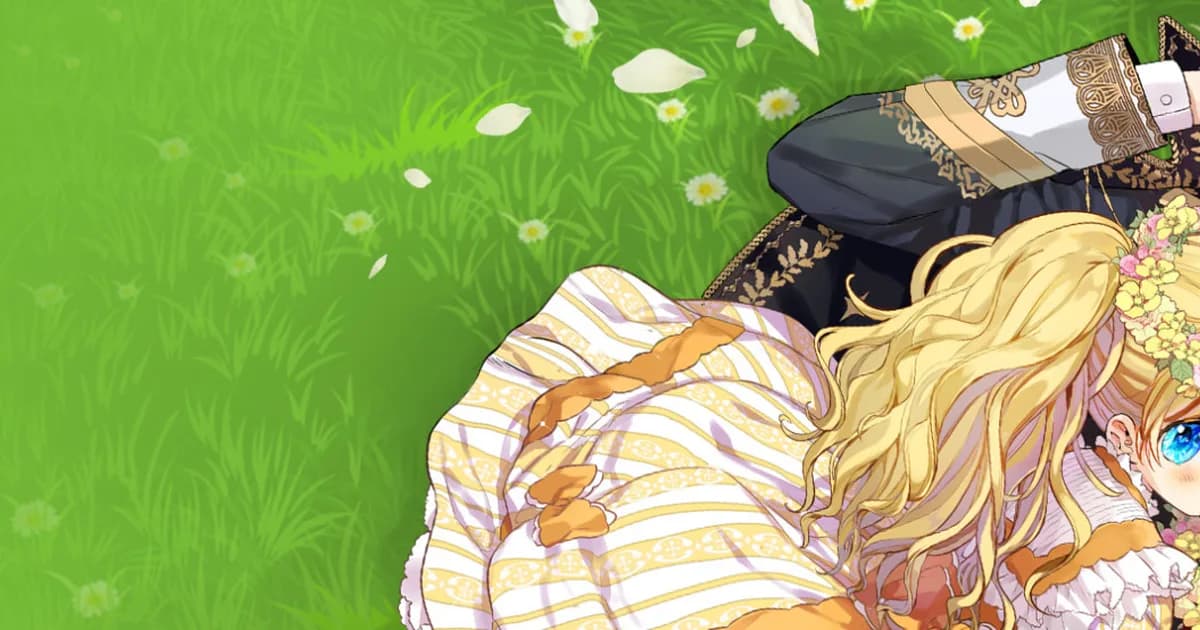
Arthur's infancy and early childhood occupy the first portion of the series. He tests his mana core, learns the world's magic system from within a family that doesn't know who he actually is, and processes the gap between a powerful king's instincts and a child's body and social situation.
This arc is deliberately slow. Readers expecting action will wait through it. The patience requirement is real: the series is building the relationships and world-understanding that the later arcs require to carry emotional weight. Arthur's relationship with his parents, his early experiences of this world's class system and magical hierarchy: these are not padding. They're load-bearing.
The moments where Arthur's previous life bleeds into his current one (unexpected tactical instincts, an adult's emotional register in a child's social context) are the best parts of this section. The disconnect between what he knows and what he can express is the series' sharpest early comedy, and one of its more honest treatments of what reincarnation would actually look like.
One specific thing the early arc does well: Arthur is not secretly overpowered from birth. His advantage is knowledge and applied intelligence, not a hidden exceptional mana core that will inevitably be revealed. The series is patient about when it grants him real power, and the childhood arc earns the later progression by showing the work.
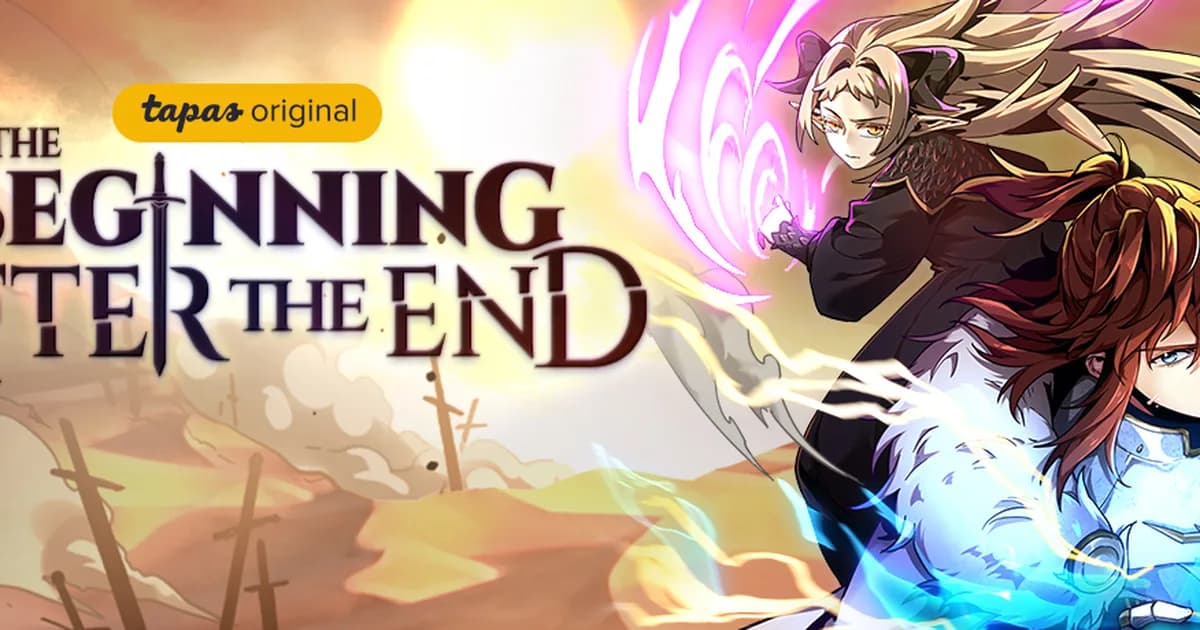

The academy arc
Most readers identify the academy arc as where TBATE becomes what it actually is. Arthur enters a school of magic with peers his age, a formal power hierarchy, and the kind of interpersonal dynamics that his first life completely lacked. His previous-life expertise is not a simple advantage here; other students have their own exceptional talents, and the academy environment creates genuine competition.
The ensemble expands here and becomes properly differentiated. Secondary characters from this arc remain significant for the rest of the series; this is where the series' cast actually forms rather than just surrounding Arthur in the childhood chapters.
The academy arc also introduces the series' political stakes for the first time. There are factions with competing interests in talented mana users, and Arthur's exceptional development draws attention from sources outside the school. The transition from personal coming-of-age to something with larger stakes happens here, not as an abrupt shift, but as a consequence of things the earlier arcs put in place. Readers who stayed through the childhood chapters specifically for the action will find it arriving in meaningful form during this section.
For a ranked look at manhwa with well-developed magic systems and academy settings:
Best System Fantasy Manhwa →
TBATE arc structure: what comes after the academy
The academy arc is where TBATE finds its stride, but it's not where the story stays. Understanding the broader arc structure helps readers know what they're committing to.
Childhood arc (manhwa chs 1-30 approx): slow by design, building relationships and establishing the world's magic logic. Arthur is an infant, then a child; the pacing reflects his actual situation. Most readers who quit in this stretch would have found the rest of the series worthwhile.
Academy arc (manhwa chs ~30-130 approx): the series' structural turning point. Xyrus Royal Academy introduces the ensemble, the political stakes, and the first real look at how Arthur's previous-life knowledge interacts with this world's formal power structure. This is also where the Tessia relationship begins.
Post-academy (novel territory, still ahead of the manhwa's coverage): the scope expands significantly as Arthur's growing ability draws attention from forces outside the academy structure. The political conflicts that the academy arc foreshadows become the main plot. Tapas lists 299 episodes for the ongoing manhwa, while the novel finished the entire arc and the series at chapter 529 in November 2025, so the manhwa is still well behind.
For readers trying to gauge commitment: the series does not resolve cleanly in what the manhwa currently covers. The manhwa is still an ongoing series with a large world left to adapt, even though the source novel is now complete. If you're reading only the manhwa, expect the story to end mid-arc when you exhaust the available chapters and need to switch to the novel to continue.
The romance subplot in The Beginning After the End
The romance subplot is one of the most-asked-about aspects of TBATE, and also the part that trips up readers who only check a general synopsis before starting.
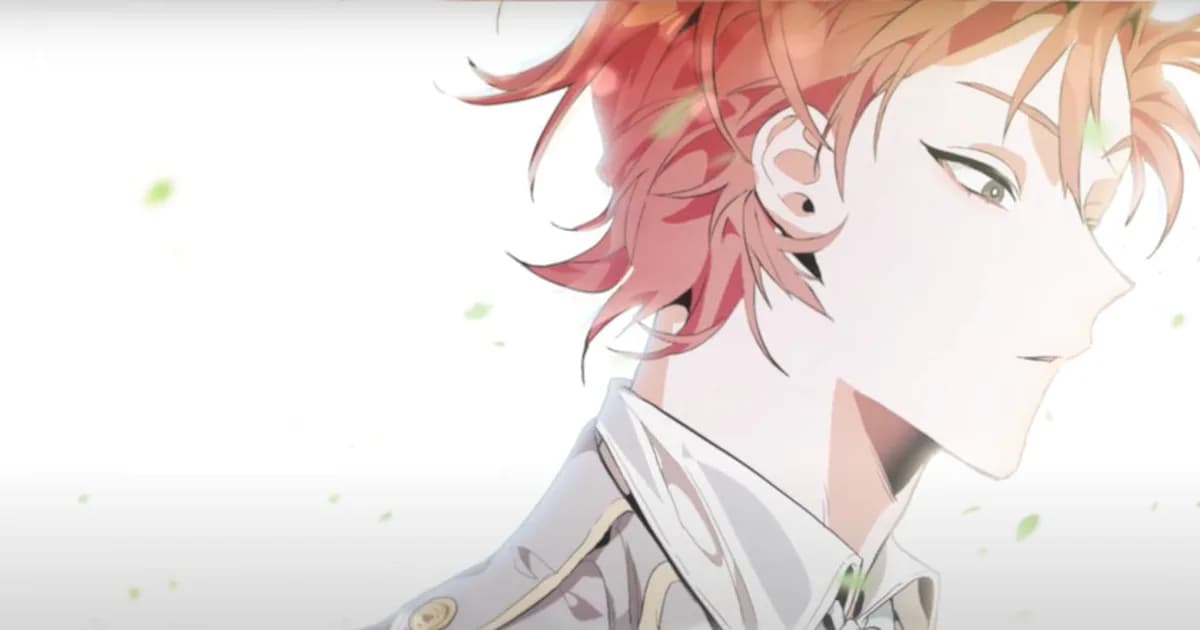
Arthur's main love interest is Tessia Eralith, a half-elf princess he meets at Xyrus Royal Academy. Their relationship develops over the full academy arc and into the arcs that follow. Unlike the instant-connection patterns common in isekai, TBATE takes its time: Arthur and Tessia build through shared experiences at the academy, mutual respect within a competitive environment, and the kind of gradual familiarity that a longer-format series can actually show. The romance doesn't dominate the story but it's consistently present once it starts and matters to the larger plot in ways the early arcs don't yet suggest.
Why the romance resonates: Arthur's first-life context matters here. King Grey explicitly sacrificed connection for achievement. His second life reframing isn't just about doing magic correctly. It's about building what he gave up. The romance subplot is the most direct expression of that second-chance theme. Readers who stay through the slow childhood arc find the payoff is partly the action and partly this: Arthur actually building the relationships his previous self didn't allow.
When does it become prominent? The initial dynamic with Tessia forms during the academy arc (roughly chapters 30-120 in the manhwa). The relationship development tracks alongside the broader plot rather than running in parallel; it doesn't pause the story. Readers specifically looking for the romance subplot should expect it to be integrated into the larger narrative, not separated into its own storyline.
For manhwa that balance action and romance with similar slow-burn pacing:
Best Romance Manhwa 2026 →
Where to Read The Beginning After the End
Novel: Complete at 529 chapters (finished November 2025). No longer available on Tapas, which delisted the series in February 2026; read it via the Amazon Kindle ebook editions (12 volumes) or the Podium audiobook.
Manhwa: Tapas; the visual adaptation, ongoing and still well behind the now-completed novel in story coverage.
Both versions are reading-order dependent. Don't start from the middle; the early character and world-building chapters are structural to what comes later.
The manhwa updates weekly; the novel is finished and no longer updating. For readers who catch up to the manhwa's current chapters, the wait between updates matters, since the pacing there is designed for ongoing serialization rather than binge reading. If you want a completed reading experience, the novel now qualifies; the manhwa on its own does not. For completed alternatives in the isekai and reincarnation space, see Best Completed Manhwa →.
For a rated verdict on whether the payoff over ~235 manhwa chapters justifies the slow opening (including a comparison of the novel and manhwa quality), see the The Beginning After the End review →.
Reading tips for The Beginning After the End
Advertisement
The slow opening is one of the more common reasons readers quit TBATE in the first 20 chapters. The series is deliberately paced around Arthur's age and situation; an infant with an adult's mind and no physical capability to act on it. If you find the early chapters frustrating, knowing the academy arc is where things accelerate makes the patience requirement easier to manage.
The aether system rewards attention. TBATE's magic builds incrementally: the distinctions between attribute types, the significance of mana core quality, the way Arthur's previous-life instincts apply or conflict with this world's framework. Readers who track these details find the academy and later arcs more rewarding than readers who skim the system explanations.
For novel readers: the novel is complete and no longer on Tapas, so the reading options now are the Amazon Kindle ebook editions or the Podium audiobook rather than a per-chapter platform purchase. At 529 chapters across 12 volumes, buying the ebook set or an audiobook subscription is more practical than tracking down individual chapters.
The anime (Studio A-Cat, Season 1 in 2025, Season 2 aired and finished on Crunchyroll in spring 2026) covers the early arcs and can function as a preview before committing to the full read. Both the novel and manhwa contain significantly more story than the anime has adapted. The anime is a reasonable way to gauge whether the premise interests you.
Frequently Asked Questions
Should I read the novel or manhwa for The Beginning After the End? The novel is finished (529 chapters, concluded November 2025), so it's the only way to get the complete story right now. Tapas lists 299 ongoing manhwa episodes, and the two numbering systems are not directly interchangeable. Switch from manhwa to novel when the adaptation runs out.
Where do I read The Beginning After the End? Novel: complete, no longer on Tapas (delisted February 2026); read via Amazon Kindle ebook or the Podium audiobook. Manhwa: Tapas.
How long is The Beginning After the End? The novel is complete at 529 chapters (finished November 2025, about ten years of serialization). Tapas currently lists 299 episodes for the ongoing manhwa adaptation, which trails well behind.
What is The Beginning After the End about? King Grey reincarnated as Arthur Leywin in a magic world. Second chance at both power and the connections he missed in his first life.
Is The Beginning After the End an isekai? Technically yes, reincarnation into a different world. More accurately a slow-build reincarnation fantasy than a typical isekai.
Does The Beginning After the End have an anime? Yes. Studio A-Cat, Season 1 (2025) and Season 2 (aired and finished on Crunchyroll, spring 2026). Both the novel and manhwa are well ahead of the anime's coverage.
When does The Beginning After the End get good? Early childhood chapters are slow by design. The academy arc is where most readers identify the series as fully engaged.
Does TBATE have a romance subplot? Yes. Arthur's main love interest is Tessia Eralith, a half-elf he meets at Xyrus Academy. The romance develops gradually across the academy arc and later chapters. It's integrated into the plot rather than a separate storyline, and it connects directly to the series' second-chance theme: Arthur's first life sacrificed connection for power, and his second life is specifically about not making that trade again.
For series recommendations in the same genre, see Manhwa Like The Beginning After the End: 7 Top Series.
Related Reading
- Best Isekai Manhwa →
- Best System Fantasy Manhwa →
- Best Completed Manhwa →
- The Beginning After the End review →
- The Beginning After the End Character Guide: Full Cast →