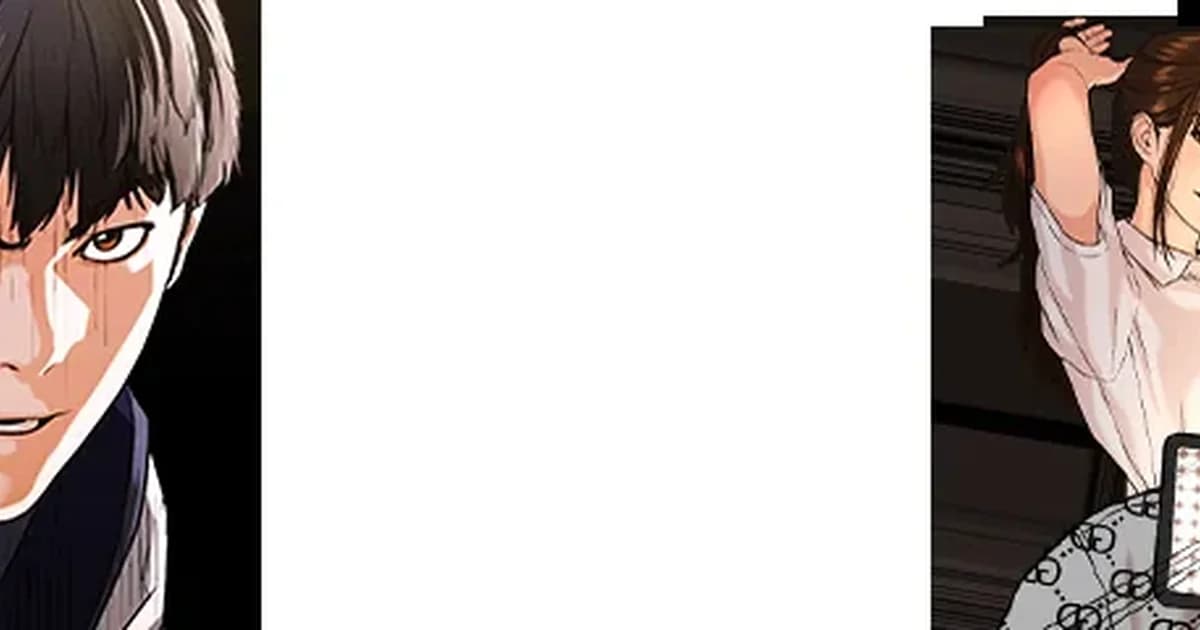
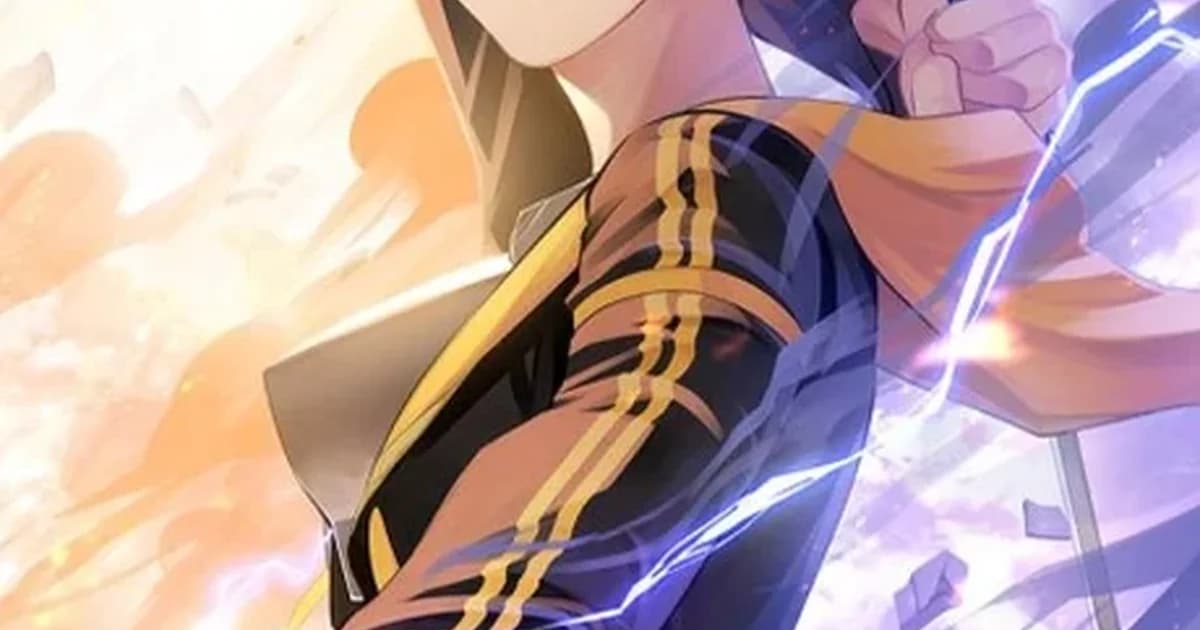
Manhwa like The Tutorial Is Too Hard isn't really asking for more tower manhwa. It's asking for system fantasy where the protagonist's choices inside the system say something about who they are, not just how strong they get.
TL;DR: Manhwa like The Tutorial Is Too Hard means system-fantasy series where difficulty, disadvantage, or a chosen constraint becomes the actual character study, not a stat-scaling gimmick. Omniscient Reader's Viewpoint leads for psychological depth; The Player Who Can't Level Up is the closest structural mirror. All 8 picks below are ranked by how directly they share that DNA.
Manhwa Like The Tutorial Is Too Hard: Key Takeaways
- Ho-Jae Lee picks Hell mode because he's a former pro-gamer who reads difficulty as data, not because he wants to suffer -- that distinction is what these 8 picks share
- Omniscient Reader's Viewpoint and The Player Who Can't Level Up are the two closest matches, for different reasons (knowledge-as-power vs. forced-disadvantage-as-premise)
- Tower of God shares the literal setting but trades character focus for ensemble scale
- Several picks below (A Returner's Magic, ORV) reward patience the same way Tutorial does -- don't expect fast payoff
- All 8 have reviews on this site if you want the full verdict before committing
Manhwa Like The Tutorial Is Too Hard: What Fans Actually Look For
The mistake is recommending "tower manhwa" or "system manhwa" broadly. Neither tag captures what makes Tutorial work. The series isn't interesting because Ho-Jae is in a tower with floors -- Tower of God does that too, and it's a fundamentally different reading experience. It's interesting because the difficulty setting is a character decision that the entire story exists to justify.
That means the right recommendations aren't "more towers." They're series where a protagonist's specific relationship to the system's rules -- their knowledge, their constraints, their deliberate choices -- is doing narrative work instead of just gating power-ups. Some of the picks below share the tower setting. Some don't. All of them treat the system as a lens on the protagonist rather than a scoreboard.
1. Omniscient Reader's Viewpoint
Advertisement
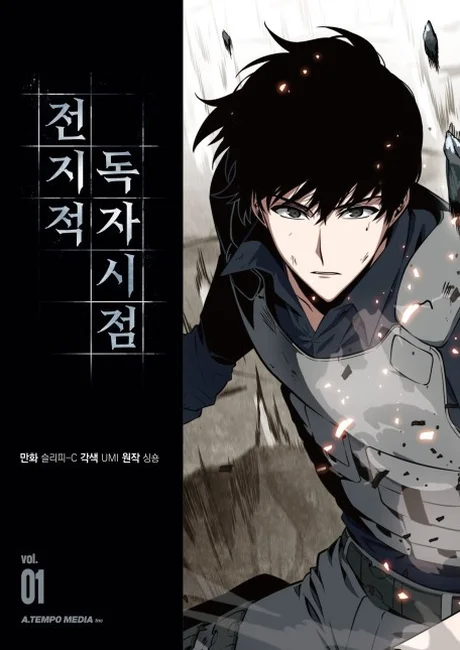 Omniscient Reader's Viewpoint by Sing-Shong -- Episode 308 listed; the official page says the series will return after a season break.
Kim Dokja's advantage isn't power, it's information: he's read the web novel this world is based on, and that knowledge is his entire edge. Like Ho-Jae, his effectiveness comes from treating the system as something to be studied and exploited, not brute-forced. The scale is much larger than Tutorial's single tower, but the underlying idea, that intelligence about the system matters more than stats, is the same engine. For the full verdict, our Omniscient Reader's Viewpoint review covers the completed first season in detail.
2. The Player Who Can't Level Up
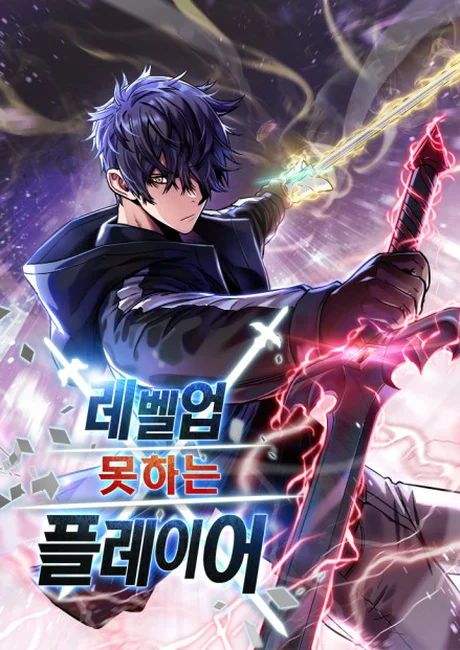 The Player Who Can't Level Up -- ongoing system fantasy on the site's review list.
This is the closest structural mirror to Tutorial's premise, just inverted. Ho-Jae chooses Hell mode. This protagonist is stuck with a system that won't let him level up the normal way, no choice involved. The result is the same kind of story: a character forced to out-think a system that wasn't built to accommodate them, using strategy instead of stat growth. Our Player Who Can't Level Up review breaks down exactly how the "ego system" mechanic works.
For the complete verdict on why Tutorial's Hell mode premise works as character writing, not just difficulty flavor:
The Tutorial Is Too Hard Review →
3. SSS-Class Revival Hunter
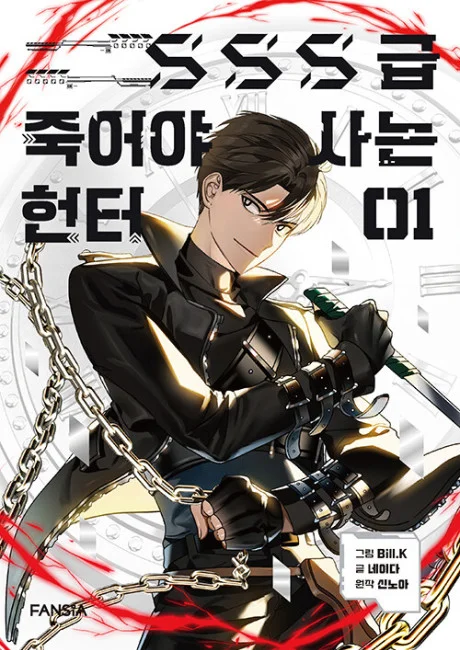 SSS-Class Revival Hunter -- regression system fantasy with a distinct mechanical hook.
The mechanic here is different (repeated death and skill-copying rather than a chosen difficulty setting), but the underlying logic matches: the protagonist's specific, unusual relationship to the system's rules is the plot engine, not a side detail. Like Ho-Jae, this protagonist's method for surviving impossible odds is procedural and repeatable, not a sudden power spike. Our SSS-Class Revival Hunter review covers the full mechanic.
4. A Returner's Magic Should Be Special
 A Returner's Magic Should Be Special -- completed at 268 chapters.
Desir's advantage is future knowledge from a previous loop, applied with the same patience Tutorial demands from its readers. Both series ask you to sit with slow, deliberate strategy instead of quick wins, and both use an academy or tower-adjacent structure to keep the stakes personal rather than world-ending. If the pacing of Tutorial doesn't bother you, this completed series rewards the same patience. See the A Returner's Magic review for the full breakdown.
5. Nano Machine
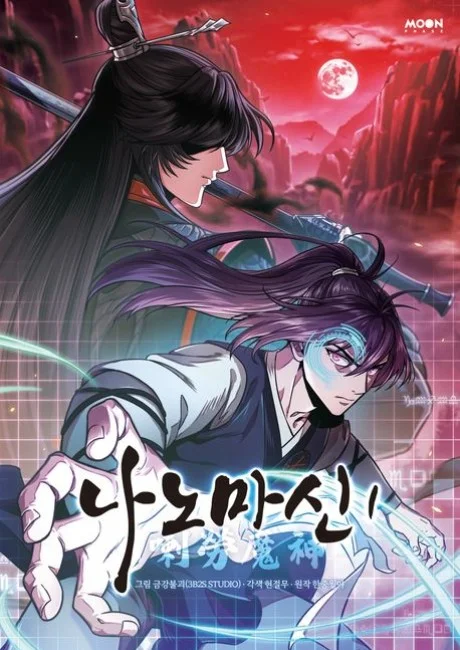 Nano Machine -- ongoing murim-system hybrid.
Nano Machine trades the tower for a murim setting, but the core idea survives the genre swap: Cheon Yeo-Woon's power comes from a specific technological system (nanomachines) that he has to understand and apply correctly, not just level up passively. It's faster-paced than Tutorial, with more immediate payoff, but the "your edge is understanding the system's actual rules" DNA is intact. Full details in the Nano Machine review.
For the arc-by-arc breakdown of how Tutorial's tower structure works and why chapter 20 is the point most readers commit past:
The Tutorial Is Too Hard Reading Guide →
6. Tower of God
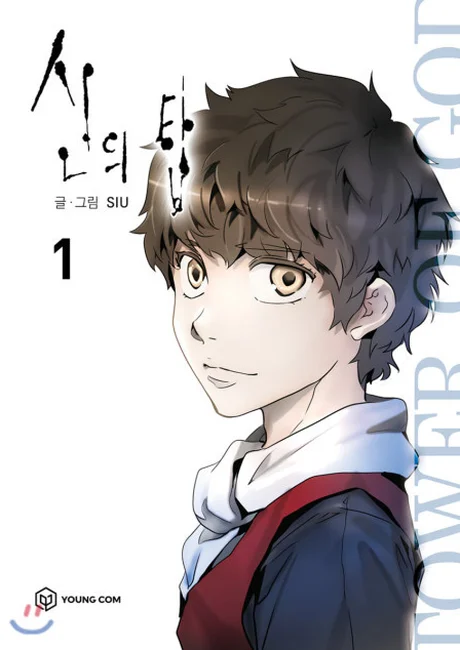 Tower of God by SIU -- 652 episodes listed; the official page says the series will return after the Season 3 finale.
The literal setting matches: a tower, floors, tests. But Tower of God is doing something structurally different from Tutorial. It spreads focus across a large ensemble cast and layers in political intrigue between factions, where Tutorial stays tight on one character's internal logic. Read this if you want scale and world-building. It won't give you Tutorial's specific character-study intensity, but it's the genre's foundational text for a reason. See the Tower of God review for the full take.
7. Second Life Ranker
 Second Life Ranker -- 219 Tapas episodes; hiatus after Season 3 before Season 4.
Yeon-woo's climb is driven by a specific personal motive (avenging his brother) that keeps every floor grounded in a reason beyond "get stronger." That's a lighter version of what Tutorial does with Ho-Jae's competitive-gamer psychology, using a personal throughline to keep tower-climbing from feeling like grinding for its own sake. Check the Second Life Ranker review for the current arc status.
8. Level Up With the Gods
Advertisement
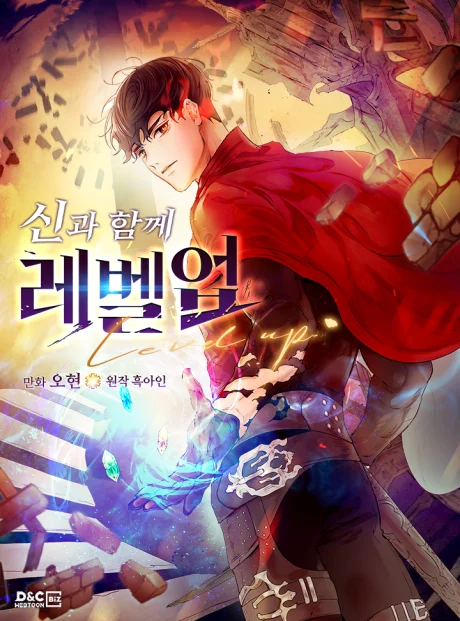 Level Up With the Gods -- ongoing, dungeon/tower hybrid system fantasy.
The weakest match on this list by character-study depth, but it earns its spot on genre mechanics: dungeon and trial design that rewards understanding the system's specific rules over raw stat investment, similar to how Ho-Jae has to read each floor's actual test rather than just fighting through it. If you've exhausted the stronger character-study picks above and want more of the tower/trial structure itself, this is next. Full review: Level Up With the Gods.
Related Reading
-
The Tutorial Is Too Hard Review: the full 8.0/10 verdict on why the Hell mode premise works Tapas currently lists 273 episodes and a September 29, 2026 hiatus notice while it reviews the localization schedule. Tapas has also announced that its platform will end on March 31, 2027, so check the Tapas shutdown notice before planning a long read.
-
The Tutorial Is Too Hard Reading Guide: arc breakdown and pacing tips for the 273-episode English release
-
Best System Fantasy Manhwa: where Tutorial ranks in the broader genre
Frequently Asked Questions
What manhwa is closest to The Tutorial Is Too Hard?
Omniscient Reader's Viewpoint for character-study depth inside a system framework. The Player Who Can't Level Up for closest premise match, a system disadvantage that becomes the entire story.
Is there a manhwa where the protagonist deliberately picks the hardest difficulty?
Tutorial Is Too Hard is the clearest example. The Player Who Can't Level Up inverts it: forced disadvantage instead of a chosen one, but the psychological result is similar.
What system fantasy manhwa focuses on psychology instead of power scaling?
Omniscient Reader's Viewpoint, The Tutorial Is Too Hard, and A Returner's Magic Should Be Special all slow down to explain protagonist motivation instead of just delivering the next power-up.
Are these manhwa slow-paced like Tutorial Is Too Hard?
Some are. A Returner's Magic and Omniscient Reader's Viewpoint both take time establishing stakes. Nano Machine and SSS-Class Revival Hunter move faster but still ground progression in specific mechanics.
Is Tower of God similar to The Tutorial Is Too Hard?
Structurally yes, both are tower-climb system manhwa. Tonally they differ: Tower of God spreads focus across a large ensemble, Tutorial stays tight on one character.
What should I read after finishing The Tutorial Is Too Hard?
Omniscient Reader's Viewpoint for psychological depth through its latest listed Episode 308, with WEBTOON's will-return season break. The Player Who Can't Level Up for the inverted premise. SSS-Class Revival Hunter for a faster pace that still respects the protagonist's specific circumstances.
References
- The Tutorial Is Too Tough on Tapas: official English platform for the source series
- Tapas shutdown FAQ
- Omniscient Reader's Viewpoint on WEBTOON
- Tower of God on WEBTOON
- Second Life Ranker on Tapas
- The Tutorial Is Too Hard on AniList: series metadata and staff credits