
This Player Who Can't Level Up review covers a system manhwa that earns its premise by taking the long route. Kim Kigyu gets his invitation and immediately hits a wall: Level 1, permanently, for five years. The system refuses to let him advance. So he spends that time working as a dungeon guide instead, learning the floors from the inside without ever becoming powerful enough to clear them.
Reviewing
The Player Who Can't Level Up
Bin-Ji Ga, Aengmusae · KakaoPage
Score
Pros
- Ego-linking is a genuinely novel progression mechanic the genre almost never tries
- Five years as a guide gives Kigyu strategic depth that a standard awakening arc would skip
- Full-color art is clean and dungeon design is visually distinct across floors
- Solid pacing in early arcs with no drawn-out training sequences
Cons
- Mid-series momentum drops as Egos multiply and the premise tension softens
- Supporting cast loses texture once Kigyu stops needing to survive through information advantages
Verdict
A smarter take on the level-up premise than most alternatives. The Ego mechanic earns the premise and the first third is the best the genre offers at this difficulty tier.
TL;DR: Player Who Can't Level Up is a 7.0/10 system manhwa running on KakaoPage since February 2021. The Ego-linking mechanic is the genre's most original take on progression in years. Early arcs are tight and strategic. Mid-series pacing softens once the Ego count grows. If you want something smarter than another awakening pipeline, start here.
Key Takeaways
- Ongoing since February 2021, available in English via Tapas
- Writers: Bin-Ji Ga and Aengmusae; Art: Jeong-Jae Park
- Rating: 7.0/10 based on early arc quality, original mechanics, and mid-series drift
- Best for readers who want system manhwa that does something different with progression
- An action roguelite game adaptation was announced with a playable demo available as of 2025
Player Who Can't Level Up review: The Setup
In a world where gates to dungeons open unpredictably and Players gain power through the system, Kim Kigyu received a unique-ability designation at his activation. The catch: his unique ability turned out to be a Level 1 cap. No matter how many gates he clears, how many monsters he kills, the number never changes.
For readers seeking system manhwa with unusual progression, that Level 1 cap is only the visible half of the hook.
Rather than rage-quit the system, Kigyu spends five years working as a guide. Guides are the support layer of gate operations: no combat stats, but encyclopedic knowledge of dungeon mechanics, monster behavior, and floor-specific patterns. By the time he discovers his actual ability, the Ego-linking mechanic, he knows the system from the inside out in a way that ranked Players rarely do.
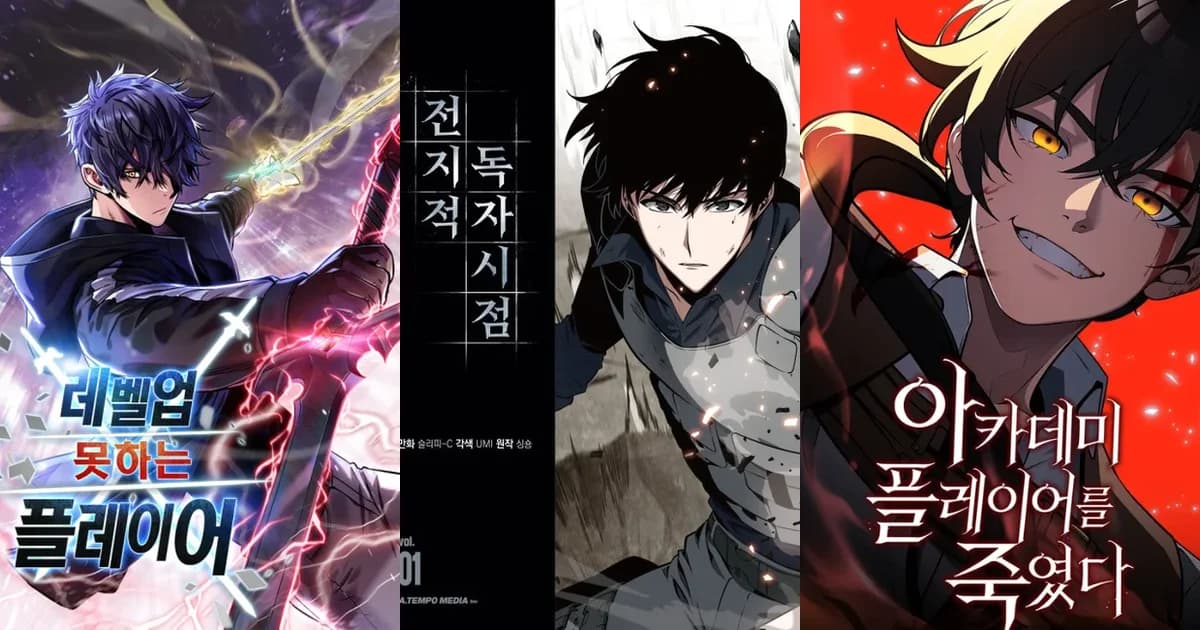
The Korean title, 레벨업 못하는 플레이어, translates directly as "The Player Who Can't Level Up." No ironic twist in the framing. The premise is exactly what it says.
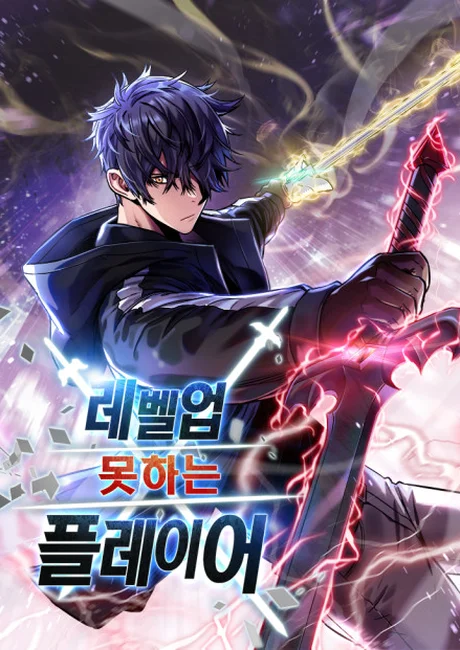 The Player Who Can't Level Up by Bin-Ji Ga, Aengmusae, and Jeong-Jae Park (KakaoPage)
Player Who Can't Level Up review: The Ego System
Egos are sentient entities bound to dungeon items, locations, or objects that most Players walk past without noticing. Kigyu can perceive them, communicate with them, and bond with them. When he forms a link, he gains stat bonuses, skill access, and in some cases direct combat support from the Ego itself.
Egos aren't passive stat upgrades. Each one has a history, a personality, and sometimes specific conditions before it'll cooperate. An Ego bonded to a low-floor gate might carry the memories of a Player who died there decades ago. Another might know the exact weakness of a floor boss because it's watched failed raids for years. Kigyu has to negotiate these partnerships rather than grind them.
The result is a system built on knowing the dungeon rather than grinding the number. The stat screen's still there, but it's background. The Egos are the story.
If this kind of mechanic is what you look for in the genre, our list of best system fantasy manhwa covers 12 picks that take similar approaches to progression.
Art Style and Presentation
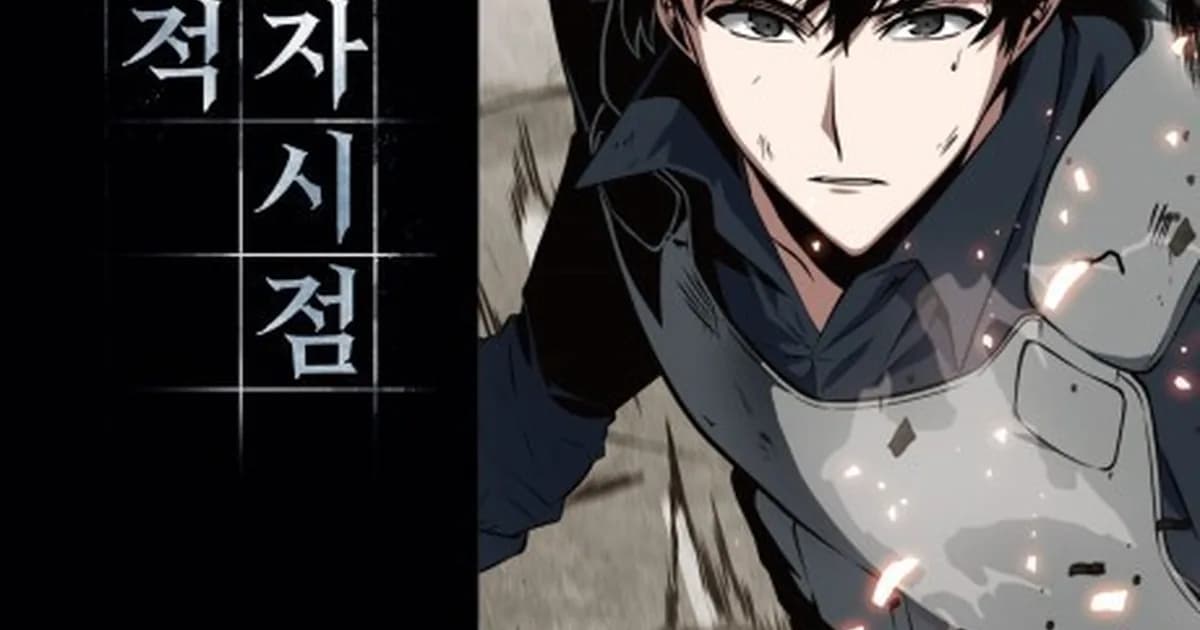
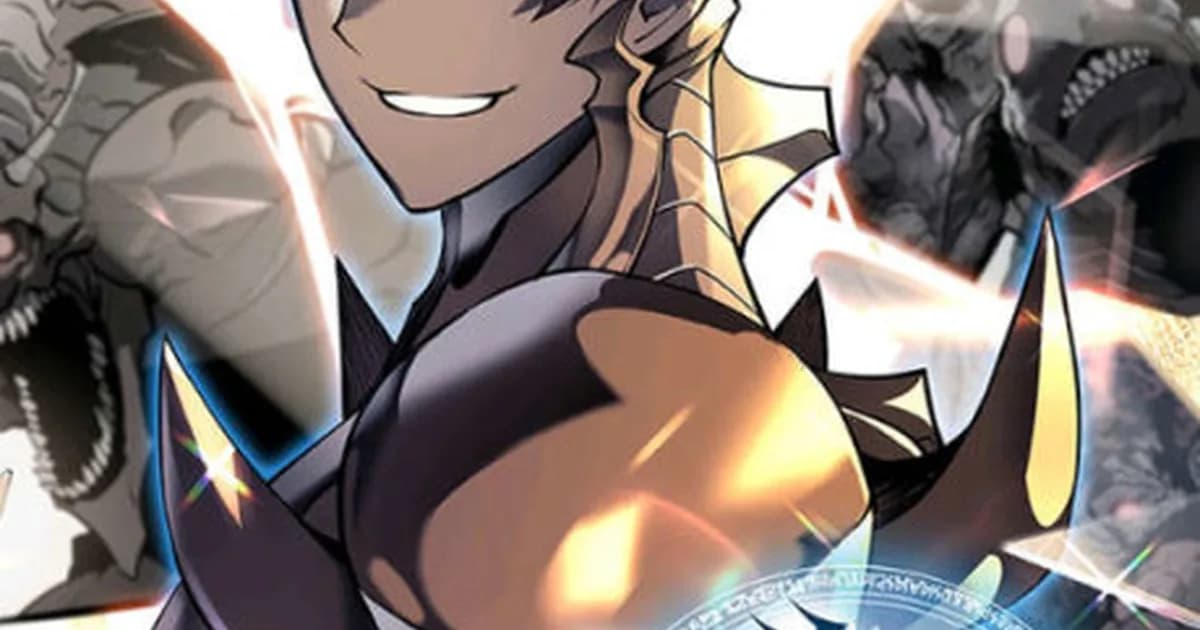
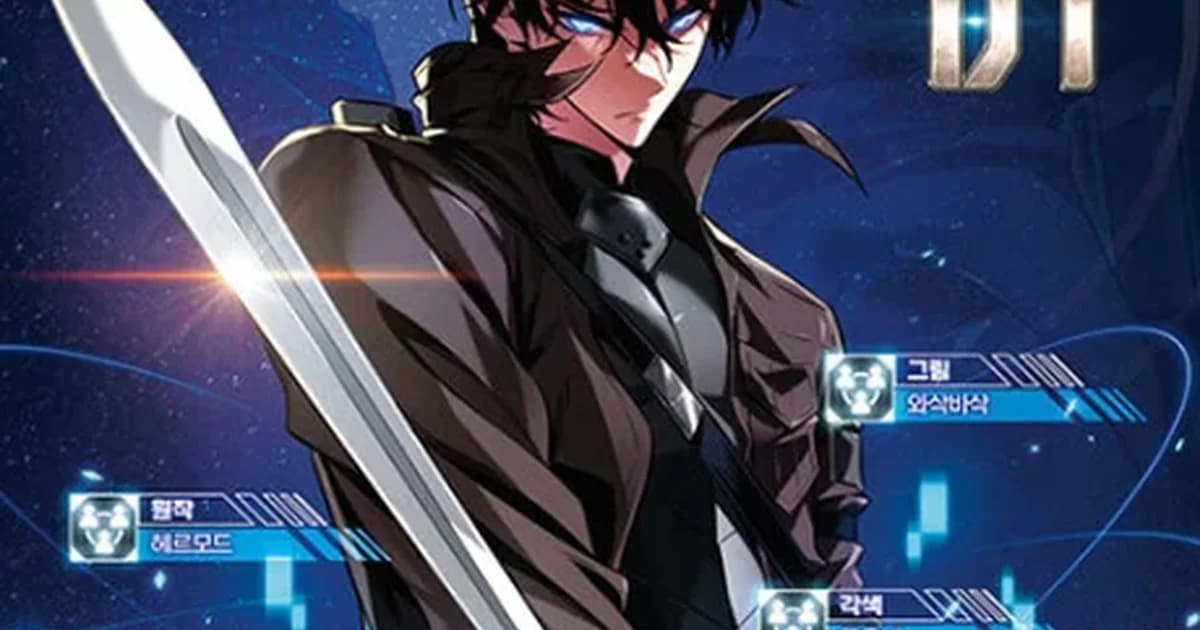
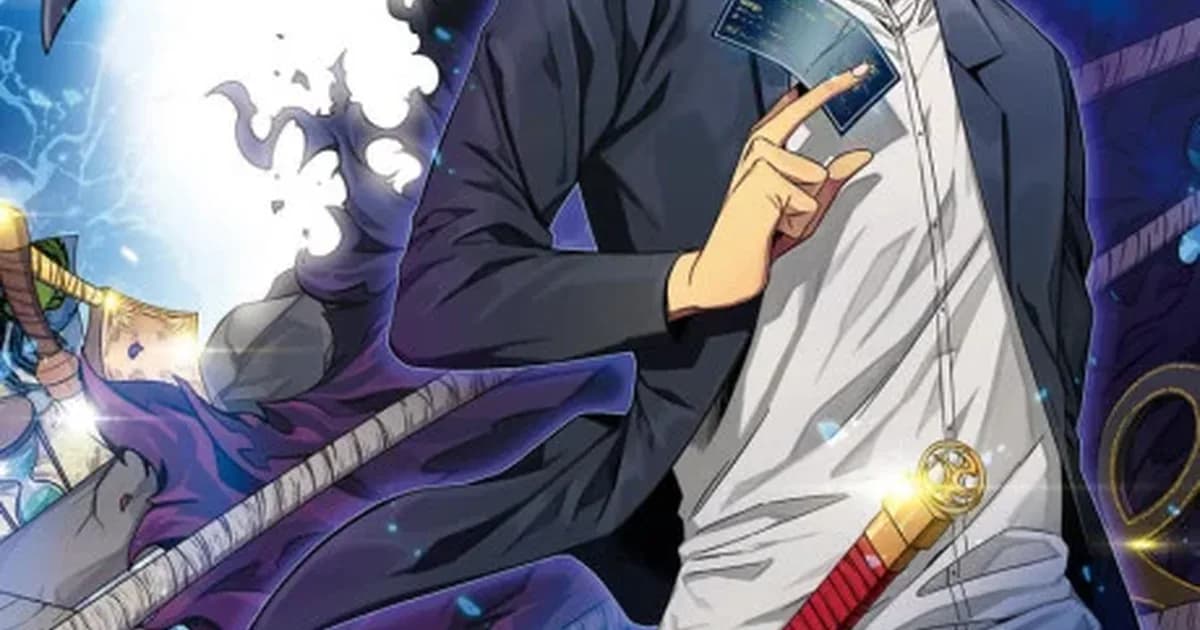
The series is full-color throughout, which is standard for KakaoPage. Art is clean without trying to be flashy. Dungeon environments have enough visual variety that individual gate sections feel distinct, and Ego designs carry visual personality -- each one needs to look like it has a history, not just a stat total.
Kigyu's character design is deliberately plain. No dramatic hair color, no battle-scarred face. The visual language earns its point: this guy was invisible in the system for years.
Action sequences are competent without being spectacular. If pure visual combat is the draw, something like I'm the Max-Level Newbie sets a different bar. This series is more interested in why a fight goes a certain way than in selling the moment aesthetically.
What the Series Does Well
The Good
- The guide backstory pays off structurally. Most manhwa protagonists arrive with theoretical knowledge. Kigyu arrives with practical, floor-specific knowledge earned through five years of observation. He knows which monsters fake their death states, which corridor patterns correlate with trap placements, and which floors ranked Players consistently skip because the risk-reward does not favor them. The early chapters mine this intelligently.
- Egos have individual character. The better entries in the genre give their power systems internal logic that rewards paying attention. Egos are not just sentient stat boosts. Some resist bonding, some have conditions, some hold grudges against living Players based on prior interactions. This gives the series something to do with its lore beyond number escalation.
- Pacing in the first third. The early arcs are tight. There's no extended training sequence, no mentor-and-student prologue, no explaining-the-system-to-a-new-recruit chapter. The Level 1 cap is established, the limitation matters immediately, and Ego discovery follows naturally from the five-year setup. That kind of discipline is rarer in this genre than it should be.
- Stakes feel maintained longer than usual. Because Kigyu's power gap vs. ranked Players is established concretely before he starts gaining Egos, the early action sequences carry tension that most solo-leveling variants skip past in the first arc.
Where It Loses Ground
The Cons
- Mid-series momentum softens. Once Kigyu has bonded with multiple Egos and the base tension (Level 1 Player surviving encounters with ranked fighters) loses its novelty, the series leans into standard power escalation. Individual Egos become less distinct as the roster grows. Late-arc fights feel more conventional than the opening material suggests they should.
- Supporting cast thins out. The characters Kigyu meets during his guide years have texture that his post-Ego companions lack. Once he can carry fights without needing to survive through information advantages, the people around him become background.
- The Ego negotiation scenes shorten. Early chapters spend real panel time on the dynamic between Kigyu and specific Egos. Later in the series, new bonds are established faster and with less characterization. The mechanic that made the opening interesting becomes a logistics layer.
Verdict
Score: 7.0/10 -- A system manhwa that earns its premise by taking the long route. The Ego mechanic is the genre's most original take on non-standard progression in recent memory.
The early arcs are the best argument for reading this. The five-year guide backstory isn't setup filler. It's load-bearing for why the series works, and the payoff when Ego bonding starts lands harder than a standard awakening arc because the groundwork was laid honestly.
The mid-series drift is a real problem if you're expecting the opening energy to hold. Readers who bounce off long-running manhwa during power escalation arcs probably won't find the series recovers. But the first stretch holds up against anything in the genre at this tier, and the 72/100 AniList score with 34,000+ readers reflects a series that delivers on its premise even when it doesn't sustain peak quality indefinitely.
That is why this Player Who Can't Level Up review favors the opening arcs: the unusual progression system matters most before the Ego roster turns into a conventional power ladder.
On the commercial side: a roguelite action game was announced with a playable demo confirmed available as of 2025 (via r/manhwa community posts). That kind of licensing reach signals a fanbase willing to follow the property past the page, which isn't nothing for a series that didn't start with a major platform push.
For what to read alongside it, manhwa with overpowered MC covers the tier above this one for when Kigyu's Ego stack grows and the series shifts into standard stat-escalation territory.
Related Reading
- Best System Fantasy Manhwa -- 12 series where the progression logic actually matters
- I'm the Max-Level Newbie Review -- another unconventional take on the OP MC arc that earns its premise
- Best Manhwa with Overpowered MC -- where this series lands in the genre ranking once it settles into its later stat-escalation arcs
- SSS-Class Revival Hunter Reading Guide -- if unconventional protagonist mechanics with genuine system complexity are the draw
- The Player Who Can't Level Up Reading Guide: Ego Explained
- Manhwa Like Player Who Can't Level Up: 7 Similar Picks: more series built on knowledge and strategy over raw stat growth
Frequently Asked Questions
Is The Player Who Can't Level Up manhwa completed? No. As of 2026, The Player Who Can't Level Up is still ongoing. It has been releasing chapters since February 2021 and continues updating on its original platform.
What platform is The Player Who Can't Level Up on? The Player Who Can't Level Up is originally published on KakaoPage in Korean. English readers can access it through Tapas, though regional availability may vary.
Tapas is the only English home for The Player Who Can't Level Up right now, and it closes on March 31, 2027. No move to another platform has been announced. (What the shutdown means)
How many chapters does The Player Who Can't Level Up have? The series has been running since early 2021 across multiple arcs. Check the Tapas or KakaoPage listing for the current chapter count, as it updates regularly.
Is The Player Who Can't Level Up worth reading? Yes, particularly if you want system manhwa with an unconventional protagonist. The Ego mechanic separates it from Solo Leveling variants. Rating: 7.0/10.
Who wrote The Player Who Can't Level Up? The Player Who Can't Level Up is written by Bin-Ji Ga and Aengmusae, with art by Jeong-Jae Park. The manhwa is an adaptation of an original web novel.
What is an Ego in The Player Who Can't Level Up? Egos are sentient dungeon entities or items that Kim Kigyu can bond with to gain stat boosts and abilities. Ego-linking is his exclusive alternative to conventional leveling and is the series defining mechanic.
References
- The Player Who Can't Level Up on AniList -- series data, staff credits, reader score (72/100), and popularity (34,296 readers)
- Game adaptation announcement on r/manhwa -- community confirmation of roguelite game reveal teaser