Wind Breaker manga review starts with a question the series forces you to answer quickly: when a delinquent crew exists to protect something rather than dominate something, does that change what the fights mean? In Bofurin's case, it does. That's the specific hook this review is about.
Reviewing
Wind Breaker
Satoru Nii · Kodansha
Score
Pros
- Bofurin's protect-not-dominate premise is the most morally distinct hook in the delinquent genre -- it reframes every fight
- Haruka Sakura's cold-exterior arc runs across the whole series and earns each crack in the wall rather than declaring them done
- Fight choreography is clean and personal: you know what's at stake before the first panel
- Crew ensemble has real internal logic -- each member contributes differently to what Bofurin actually does
- The found-family structure accumulates across the series instead of being established in one speech and assumed thereafter
Cons
- Mid-series faction politics can slow the crew-level intimacy that defines the early arcs
- Official English reading is split between K MANGA simulpub chapters and Kodansha USA print volumes, with no free backlog option like WEBTOON offers
- Ongoing status means no resolution yet -- readers who need a complete arc before committing will have to wait
Verdict
Wind Breaker is the rare delinquent manga where the moral structure and the fighting actually belong to the same story -- and Haruka Sakura's earned transformation is the best cold-protagonist arc currently running in the genre.
TL;DR: Wind Breaker manga review: 8.0/10. Satoru Nii's ongoing Kodansha series is the best delinquent story running in 2026. The Bofurin premise reframes every fight -- they protect Furin town rather than accumulate power -- and Haruka Sakura's slow-burn cold-to-belonging arc is the most earned protagonist transformation in the genre. Read it in English on K MANGA or in Kodansha USA print; the CloverWorks anime (Seasons 1 and 2 on Crunchyroll) is the easiest entry point.
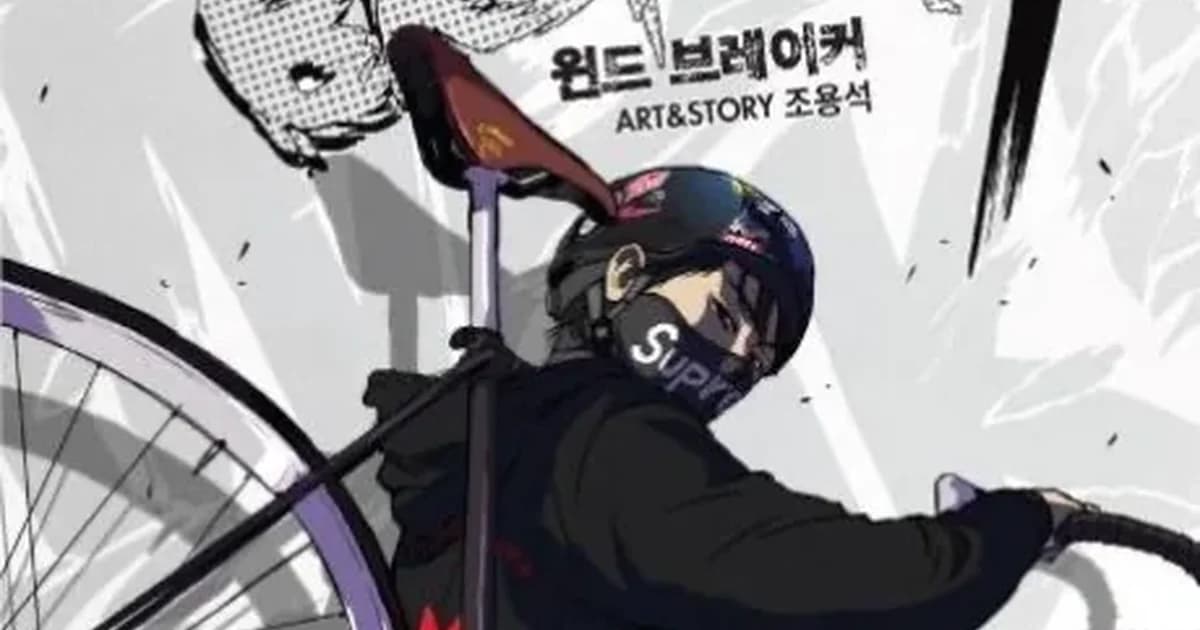
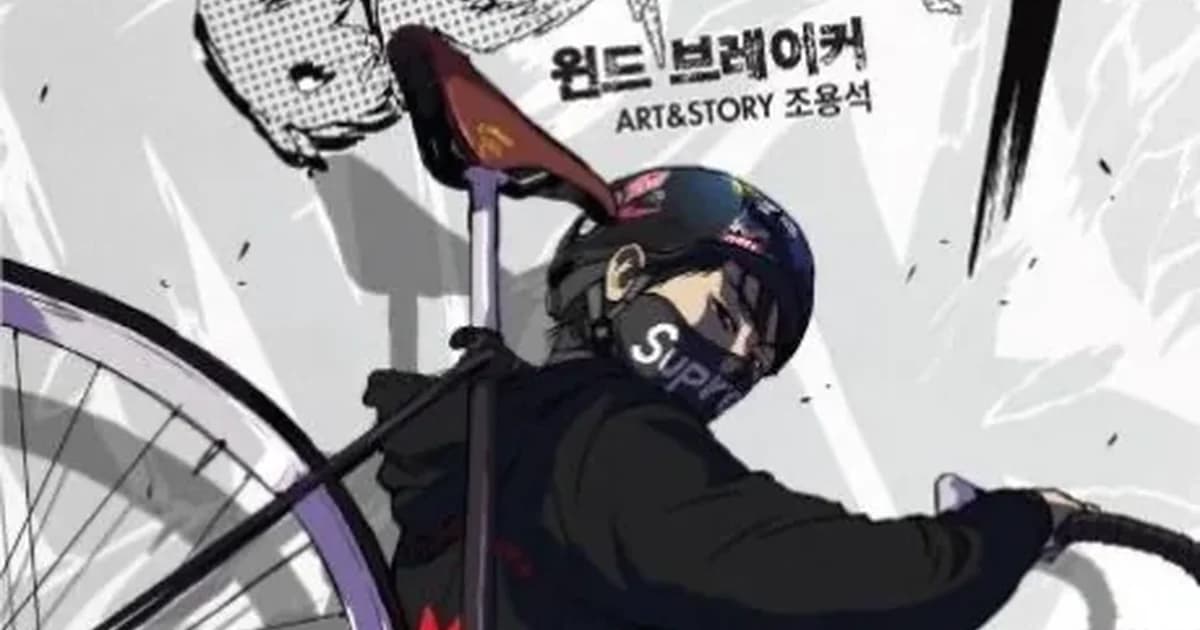
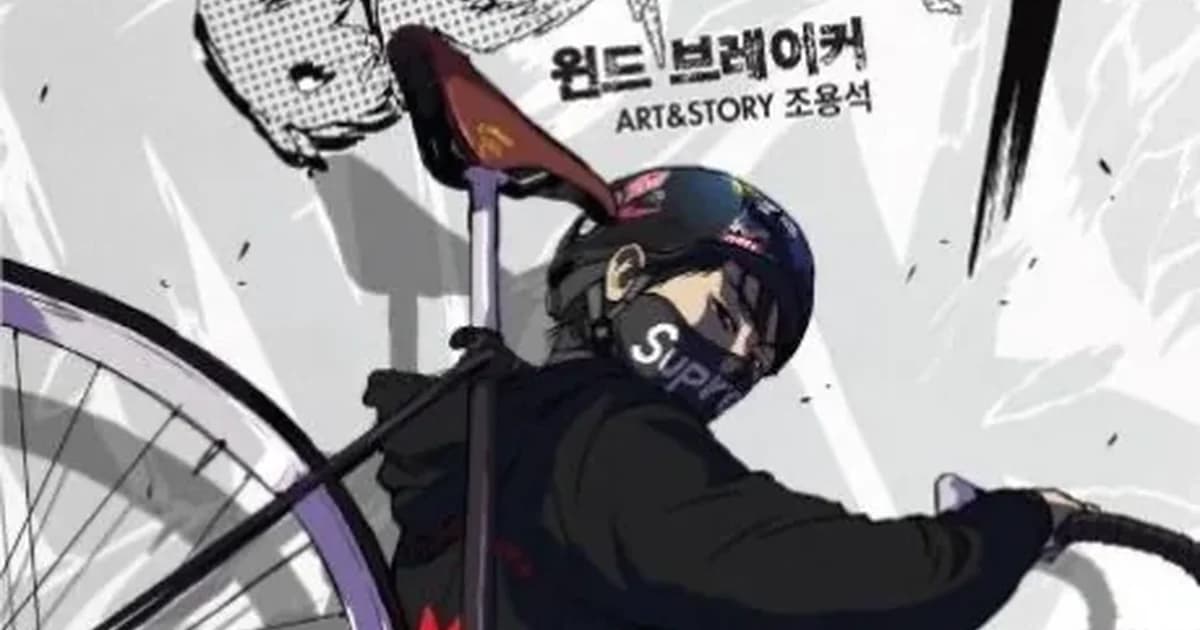
One thing to clear up front: this Wind Breaker is the Japanese manga by Satoru Nii, not a manhwa. We cover it here because manhwa readers keep landing on it while searching for the cancelled Korean series of the same name, and because it sits squarely in the delinquent lane our readers follow.
Wind Breaker manga review: quick verdict
8.0 out of 10. The delinquent genre has a lot of series that run the same structure: protagonist is strong, establishes dominance, crew forms around that dominance, faction escalation follows. Wind Breaker runs that structure with a different center. Bofurin fights to protect. That moral distinction -- which sounds small but isn't -- changes what the fights are about and what it means to belong to the crew. I started this series because the anime was genuinely good and I needed more. The manga gave me more in the ways that actually mattered.
What is the Wind Breaker manga?
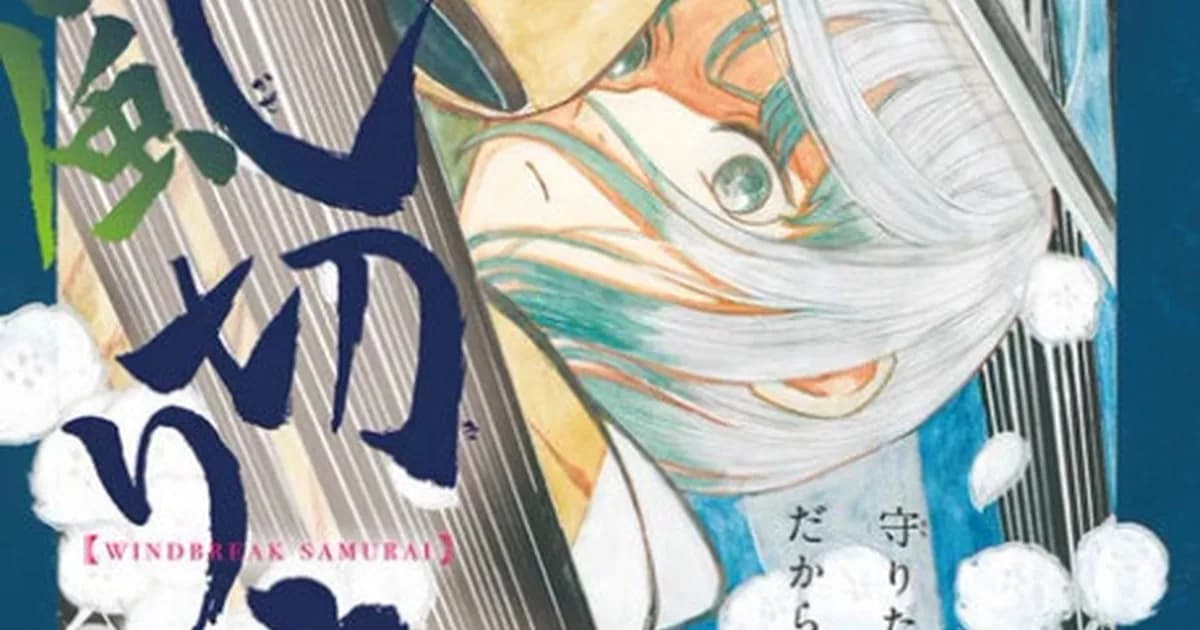
Wind Breaker is a Japanese manga by Satoru Nii, serialized on Kodansha's Magazine Pocket digital platform since January 2021. The series follows Haruka Sakura, who transfers to Furin High with a specific goal: find the toughest school in the region and be the strongest person in it. He's been telling himself this story for a long time. Being the strongest means needing no one. Needing no one means never being a burden.
Furin High is indeed known for fighters. But the students aren't what Sakura expected. Bofurin, the crew that defines the school's reputation, protects the town around the school. They fight, but the fighting has a designated purpose: the territory around Furin is theirs to defend, and Bofurin is how that defense works in practice.
That premise is the thing Sakura doesn't know how to process. He arrived expecting to win through isolation. He found a group of people who fight for something external, whose strength has a direction that isn't themselves.
The anime by CloverWorks (Season 1, Spring 2024; Season 2, 2025) covers the early arc. Both seasons are on Crunchyroll and are worth watching as an entry point. The manga runs deeper.
Wind Breaker art and story
 WIND BREAKER anime key visual (CloverWorks) showing the full Bofurin lineup -- the same crew consistency the manga maintains across its weekly run.
The art is clean in the way delinquent manga needs to be to work: fight panels are readable without being static. Choreography in the major Bofurin confrontations is staged so you understand the mechanical situation and the emotional stakes at the same time. Characters are visually distinct in ways that matter in crew fights, when you need to track six people at once.
Where the art earns its reputation is in character expression. Sakura's walls are visible. The first cracks in them are visible. You don't need the narration to tell you something shifted; the face does it. That's harder than it sounds for a series running weekly for five years, where character consistency under production pressure often slips. Wind Breaker holds it.
The story structure is delinquent-genre standard: crew conflict escalates as outside factions challenge Bofurin's territory, which forces the crew to fight at the scale of what they're actually protecting. What's not standard is how the series handles the intervals between fights. The chapters between major confrontations are where the found-family accumulates. A conversation between Sakura and a crew member that reveals something about how either of them got to this point. A meal. Something small that doesn't need to be dramatic to register.
Most delinquent series skip that register or rush through it. Wind Breaker slows down for it deliberately.
For manhwa picks with the same emotional architecture as Wind Breaker -- cold protagonist, found family earned rather than declared, fights with personal stakes:
Manhwa Like Wind Breaker
Characters and crew dynamics
Haruka Sakura's arc is the center, but it only works because the Bofurin members are specific people. Each member of the crew has a distinct reason for being there and a distinct relationship to the protection premise. That internal logic makes the crew feel like it existed before Sakura arrived, which is exactly how it should feel for the cold-outsider-joins-group arc to work.
Sakura arrives believing belonging is dangerous. His read on relationships is: if people count on you, you can fail them. Better not to let them count on you. The Bofurin crew doesn't address this directly. They just don't leave. Chapters pass. Small things accumulate. The first cracks appear gradually across the early arcs, and by the series' midpoint the transformation is earned in the specific sense: Sakura chose it, and the series showed you why.
That's rarer than it sounds. Most cold-protagonist arcs either rush past the emotional mechanics (one heroic moment and the protagonist is now warm) or extend the isolation too long (a hundred chapters of the protagonist being dense about obvious things). Wind Breaker's pacing is correct. The series earns each step.
For fans of Lookism, the crew dynamics in Wind Breaker feel related: each crew member represents something specific, and the fights reflect the ideology of the crew rather than just individual strength. Wind Breaker is more emotionally concentrated; Lookism is broader in scope.
The Bofurin premise: what makes Wind Breaker different
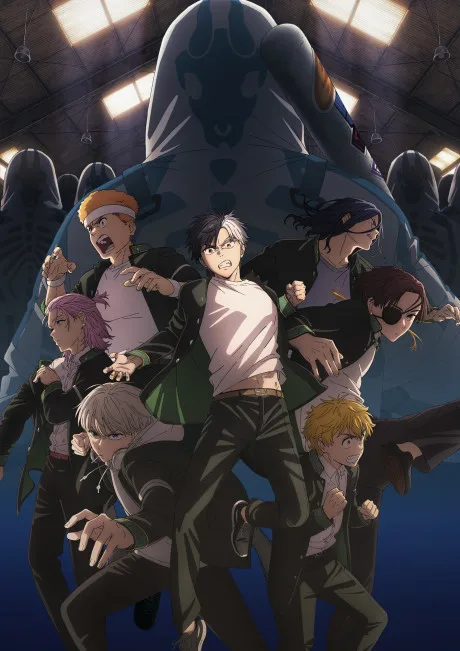 WIND BREAKER Season 2 key visual (CloverWorks) -- the crew fighting together as protectors, not as a dominance hierarchy.
Most delinquent series run the dominance structure. The strong accumulate power. Crews form around strength hierarchies. Territory is about reputation, not responsibility. That's the genre default.
Bofurin's designated role as protectors rather than dominators changes what every fight in the series is actually about. When Bofurin wins, they've protected something. When they lose, something is at risk. That's a different stakes structure. It makes the outcomes matter in a way that pure power-escalation fights don't: there's always a specific thing that hinges on the result.
It also changes what belonging to Bofurin means. Joining isn't just about being tough enough. It's about agreeing that fighting has a direction that isn't yourself. Sakura's arc is about learning to agree with that. The series doesn't tell you he agreed; it shows you the process.
For delinquent readers who want this emotional specificity alongside school-setting action, Mercenary Enrollment runs a related structure from a different angle: a protagonist grossly overqualified for his environment, where the fights reveal something about who he is and what he values, not just whether he wins.
For delinquent school-setting manhwa with strong found-family structures:
Best School Setting Manhwa
Wind Breaker manga vs anime: which to read first
If you're new to the series: watch the anime. Season 1 by CloverWorks is a genuinely good adaptation. The fight animation holds through the major set pieces, and the crew dynamics translate to 24-minute episodes without losing the core premise. It's an accessible way to find out if the series is for you before committing to a long weekly manga run.
If you finished both seasons: read the manga. The anime covers the early arcs across Seasons 1 and 2. The manga continues past the faction politics the anime introduced in Season 2 and goes deeper on the crew dynamics that make the series worth reading in the first place. The emotional beats the anime has to compress are present in the manga at the pacing they need.
The main practical difference: the manga's official English home is K MANGA, Kodansha's simulpub platform, with print volumes from Kodansha USA trailing the Japanese release. There's no WEBTOON-style free backlog, so catching up costs more than manhwa readers may be used to. The anime on Crunchyroll is clean, well-subtitled, and the cheapest way in.
Verdict
The Good
- Bofurin's protect-not-dominate premise reframes every fight in the series -- wins and losses have external stakes, not just personal ones
- Haruka Sakura's cold-exterior arc runs across the whole series and earns each step -- no rushed emotional epiphanies, no single-speech turnaround
- The crew ensemble has real internal logic: each member has a specific reason to be there and a distinct relationship to what Bofurin actually does
- Fight choreography is technically clean and emotionally staged -- you know what's at stake before the first panel
- The intervals between fights accumulate found-family register rather than filling space
The Cons
- Mid-series faction politics occasionally pull focus from the crew-level intimacy that defines the early arcs
- English access is split between K MANGA simulpub chapters and Kodansha USA print volumes, with no free backlog option
- Ongoing status means no resolution; readers who need a completed arc before committing will wait
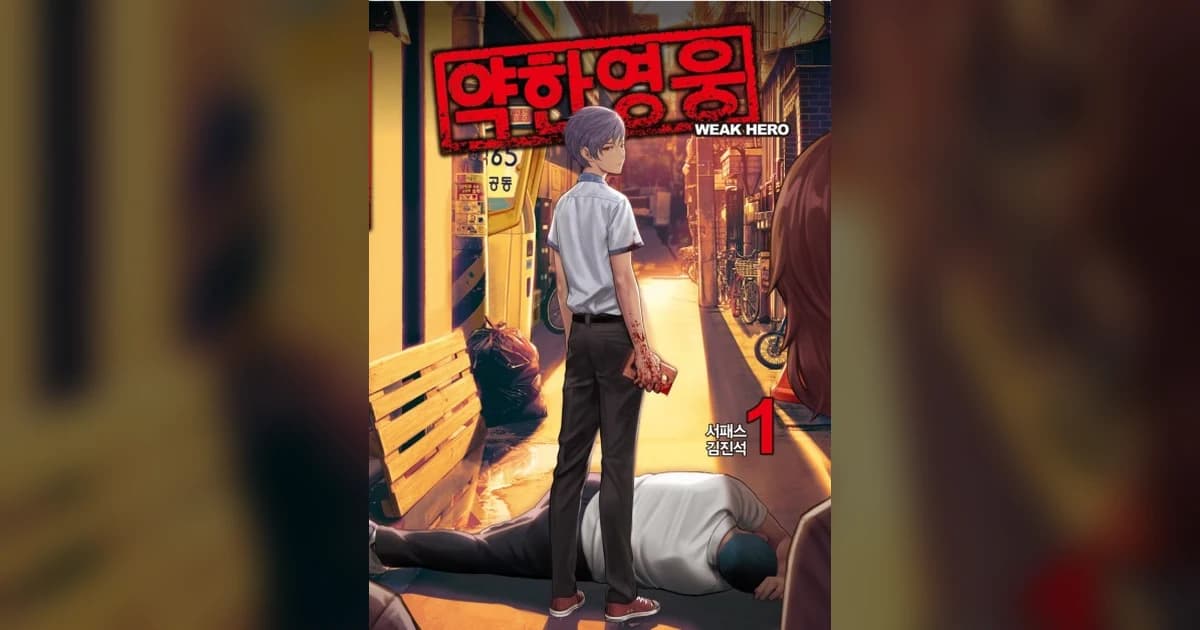
Wind Breaker is the best delinquent series currently running, and it happens to be a Japanese manga in a genre manhwa readers know well. What Lookism does at larger scale and broader scope, Wind Breaker does at intimate, crew-focused depth. What Weak Hero does through precision and underdog mechanics, Wind Breaker does through moral structure and found family. They're all excellent. Wind Breaker is the one specifically for readers who want the emotional architecture -- cold protagonist, genuine crew bonds, fights that mean something -- at the depth and pacing that takes it seriously.
The anime is where to start. The manga is where to go next.
Rating: 8.0/10
Related Reading
- Manhwa Like Wind Breaker -- 8 picks sorted by which part of Wind Breaker you came for: crew dynamics, found family, or personal fights
- Lookism Review -- the delinquent series at largest scope, with crew-identity and faction politics that Wind Breaker fans will recognize
- Best School Setting Manhwa -- other manhwa that use the school environment as more than backdrop
- Mercenary Enrollment Review -- school-action with a similarly overpowered protagonist whose fights reveal character rather than just demonstrate strength
- Wind Breaker Reading Guide: Where to Start in 2026
- Best Sports Manhwa: 9 Series Worth Reading
Frequently Asked Questions
Is the Wind Breaker manga worth reading?
Yes. It's the best delinquent series running in 2026. The Bofurin premise -- fighters who protect rather than dominate -- produces a different emotional register from standard delinquent fare, and Haruka Sakura's slow-burn arc is earned in the specific sense: you see every step. Rating: 8.0/10.
Is the Wind Breaker manga completed?
No. The series is ongoing, serialized on Kodansha's Magazine Pocket digital platform since January 2021. The CloverWorks anime (Seasons 1 and 2 on Crunchyroll) covers the early arcs; the manga continues past both seasons.
How many chapters does Wind Breaker have?
Kodansha doesn't publish one canonical count across platforms, and AniList lists none while the series is releasing. It has run weekly since January 2021, so the backlog is substantial and still growing.
Should I watch the anime or read the manga first?
Watch the anime first if you're new -- CloverWorks' adaptation is good and Crunchyroll makes it the cheapest entry point. Read the manga after Season 2 if you want more: it goes deeper on crew dynamics and the emotional arcs the anime compresses.
Where can I read Wind Breaker in English?
K MANGA carries the official English simulpub, and Kodansha USA publishes print volumes. INKR also lists the series. The anime (Seasons 1 and 2) is on Crunchyroll.
Is this Wind Breaker the same as the cycling manhwa?
No, and they don't share an author. The cycling series is a Korean manhwa by Jo Yong-seok that was cancelled in 2025. The delinquent Bofurin series reviewed here is a Japanese manga by Satoru Nii and the source material for the CloverWorks anime.
What is Bofurin?
Bofurin is the crew at Furin High that Haruka Sakura joins. Unlike most delinquent crews, Bofurin protects the town around Furin rather than accumulating territory through dominance. That moral structure is the specific hook that makes Wind Breaker different from other delinquent series.
References
- Wind Breaker (WIND BREAKER) on AniList -- series metadata including status (RELEASING), creator credit (Satoru Nii), and reader stats
- Wind Breaker on K MANGA -- official English simulpub from Kodansha
- Wind Breaker Season 1 on Crunchyroll -- official English-language streaming for the CloverWorks anime adaptation; Season 1 (13 episodes) and Season 2 (12 episodes) available
- Wind Breaker anime on AniList -- Season 1 details including Spring 2024 air date and CloverWorks production credits