TL;DR: Villainess isekai means reincarnating into a story you've already read or played, as the doomed antagonist instead of the heroine. The whole trope runs on one mechanic: avoiding the specific "death flag" that ruins that character in the original plot. Two ChapterBrief-reviewed series show how differently writers handle it: Who Made Me a Princess turns the flag into an execution order from an indifferent father, while Villains Are Destined to Die puts a literal, visible number on it.
If you searched "villainess isekai" wanting a list of series to read next, that list already exists on this site. This page does something different: it explains the machinery underneath every entry on that list, so the next ranked list you read makes more sense than it did before you opened this one.
Key Takeaways
- Villainess isekai: a protagonist reincarnates into a known story as the antagonist, not the hero, carrying foreknowledge of a bad ending they need to avoid
- The core mechanic is the "death flag," the specific plot event that ruins the character in the source story
- Two verified villainess isekai examples show the range: Who Made Me a Princess (an execution order from an indifferent father) and Villains Are Destined to Die (a literal, visible affection meter)
- Sub-variations split along two axes: romance-focused versus non-romance-focused, and revenge versus a quiet life
- This is a mechanics explainer, not a ranked list. The genre's full roster lives in a separate hub piece, linked below
Villainess Isekai Overview: What the Trope Actually Means
Isekai, broadly, is any story where a protagonist gets pulled into another world, usually one they didn't grow up in. The standard version puts that protagonist in the hero slot: chosen one, strongest new player, the character the world is built around. Villainess isekai flips the seat assignment. The protagonist lands inside a story she already knows, an otome game or a romance novel, and gets the antagonist's role instead of the lead's.
That's what makes villainess isekai specific rather than just another isekai flavor. The protagonist isn't discovering a fantasy world from zero, she's re-entering fiction she's already consumed, as the character scripted to lose it. She knows the ending, she knows who the "real" heroine is supposed to be, and she usually knows, in unpleasant detail, what happens to the villainess by the story's final act.
This is close kin to otome isekai but not a perfect synonym. Otome isekai names the source material, a dating-sim or romance-novel world the reader recognizes. Villainess isekai names the seat the protagonist gets assigned inside it. Most otome isekai stars a villainess, which is exactly why the two terms get used interchangeably in casual conversation. They aren't quite the same thing. A story can transmigrate someone into a romance novel's world without making them the antagonist at all.
Why the Trope Took Over Korean Web Fiction
Three things line up here.
First, the interiority swap. A conventional heroine in an otome game tends to be a blank surface, sweet and reactive, defined mostly by who falls for her. The villainess role usually has more going on: ambition, grievance, a specific reason she acts the way she does before the story kills her off for it. Handing the reader that character's inner life instead of the heroine's is simply a more interesting writing problem.
Second, the dramatic irony is structural, not decorative. The reader knows what's coming. So does the protagonist. Nobody else in the cast does. That gap generates tension on nearly every page without the writer manufacturing new stakes, because the stakes were pre-loaded the moment the premise was established.
Third, villainess isekai didn't invent the foreknowledge premise, it borrowed one already dominant in Korean web fiction. Regression stories, where a protagonist relives a failed life with memories intact, and system-fantasy stories built around visible game mechanics were both established favorites first. Villainess isekai is what happens when that same "I know what's coming" engine gets pointed at a romance novel instead of a dungeon.
The Death Flag: How Villainess Isekai Protagonists Avoid Their Ending
Every villainess isekai story runs on the same question: what, specifically, is the protagonist avoiding, and how does the story make that threat concrete rather than vague.
A "death flag" is the specific plot event in the source material where the villainess is executed, exiled, disowned, or otherwise removed from the story for good. It isn't just a mood of impending doom, it's a checkpoint. The protagonist knows, or suspects, the exact trigger that leads there, and the plot is her working around it.
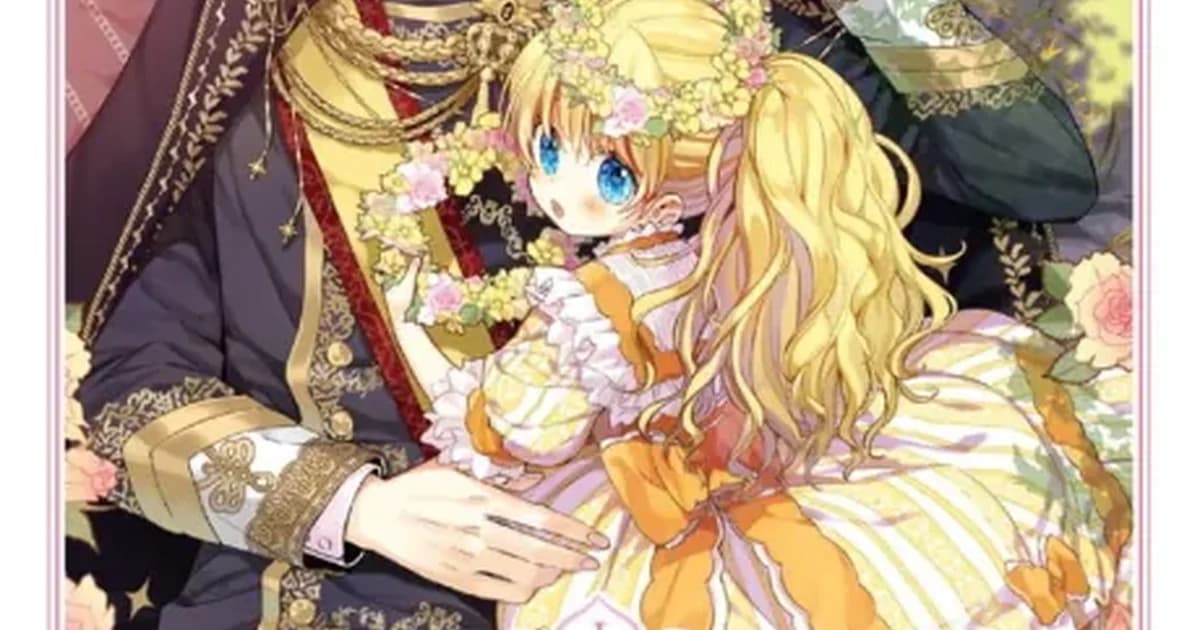
Who Made Me a Princess shows one version clearly. A modern reader dies and wakes up as baby Athanasia, the tragic princess from a novel she'd read called "The Lovely Princess." In that novel, Athanasia is eventually executed by her own father, Emperor Claude, a man who barely registers her existence. The death flag here isn't a single scene she has to dodge. It's a relationship she has to rebuild from nothing, across all 135 completed chapters, because the emperor's indifference toward her is the actual mechanism that leads to the execution. Change the disposition, and the flag never triggers.
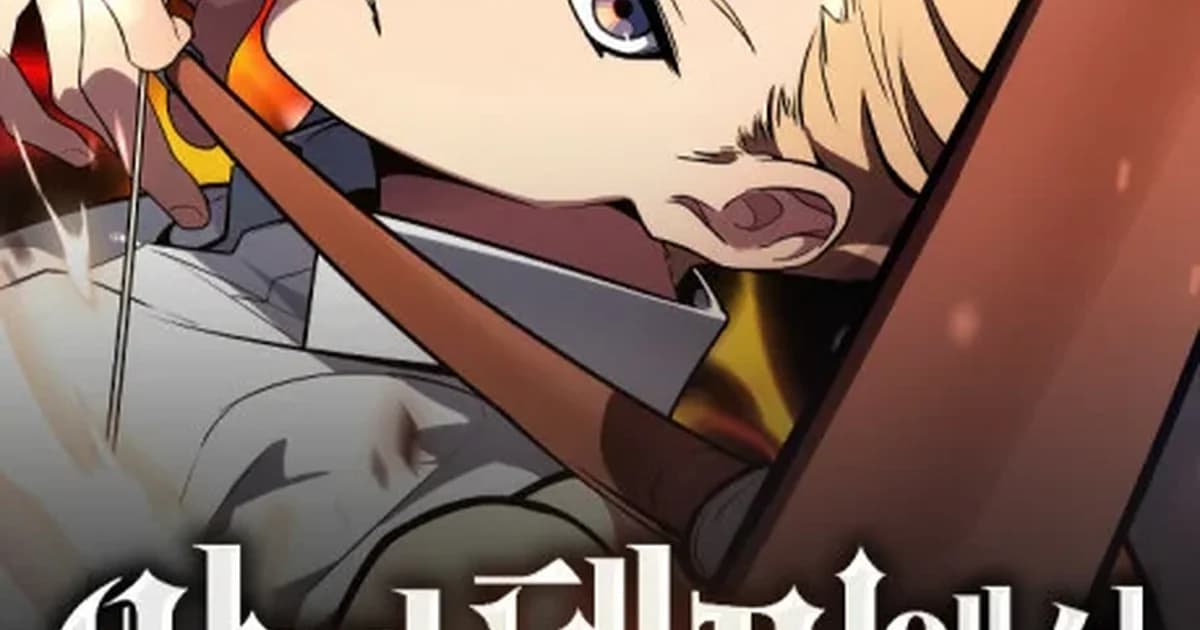
Villains Are Destined to Die takes the opposite approach: it makes the flag literal. A university student wakes up as Penelope Eckhart, the villainess of a reverse-harem otome game, stuck on hard mode. Every love interest has a visible affection percentage on screen. Most start at 0% instead of the normal 30%, and Reynold starts at negative 10%. Fall too low with the wrong person, and the story kills her for it, not metaphorically. Where Who Made Me a Princess treats the flag as something the reader has to infer from a father's silences, Villains Are Destined to Die puts a number on it and dares you to watch the number move.
Same underlying villainess isekai structure, completely different execution: one buries the threat in a parent's cold behavior, the other quantifies it down to a single percentage point. That range is the trope, not a deviation from it.
For the full ranked roster this explainer is the mechanics companion to:
Best Villainess Manhwa 2026 →
How Writers Bend the Formula: Three Common Sub-Variations
The death-flag structure is the constant across villainess isekai. What varies is who the protagonist is trying to win over, and why.
Romance-focused versus non-romance-focused. The default assumption is that the protagonist is racing to secure a love interest before the story turns on her. Plenty of series play it straight, but a meaningful slice redirects that same energy elsewhere. Who Made Me a Princess is the clearest example above: Athanasia's actual goal is earning a parent's love, not romance, and the eventual romantic subplot arrives late and secondary. There's a mirror version of that swap, too. Where Athanasia is the reincarnated child seeking a parent, some villainess isekai series put the protagonist on the other side of that relationship, as the parent raising a doomed child instead of being one. I Became the Villain's Mother, completed at 142 chapters on Tappytoon and KakaoPage, runs that inverted version: a reader wakes up as the mother of the story's future villain and spends the run trying to raise him into someone who never becomes that person.
A related move drops the romantic axis almost entirely in favor of an institution. I Shall Master This Family puts its protagonist, Florentia Lombardy, in charge of rebuilding a noble house on the edge of ruin. There's no one to out-compete for a man's attention, because winning it was never the goal; the strategic energy the genre usually spends on courtship goes into estate management and family survival instead.
Revenge versus a quiet life. Some protagonists treat foreknowledge as a weapon aimed at whoever wronged the original character. The Villainess Turns the Hourglass, completed at 125 chapters on Tapas and Tappytoon, is the clean example: its protagonist isn't just escaping a bad ending, she's using her second chance to punish the people who destroyed her first life, which pushes her closer to anti-heroine than sympathetic lead. The opposite pole is rarer, because it's harder to write tension around. When the Villainess is in Love, completed at 106 chapters on Tapas, gives its protagonist a version of the role she genuinely likes. She isn't trying to escape the story or punish anyone in it. The conflict comes from the plot trying to force the bad ending on her anyway.
Of the two, Tapas is the only English home for When the Villainess is in Love right now, and it closes on March 31, 2027. No move to another platform has been announced. (What the shutdown means)
None of these variations is a purer version of the trope. They're different answers to the same question: you know how this character's story ends badly, so what do you do with that information?
Villainess Isekai Analysis: How This Differs From a Ranked List
This site runs a full roster hub for the genre too, so the scope difference is worth spelling out rather than leaving it implied. That hub sorts every villainess manhwa on the site by theme and tells a reader which specific, currently-readable series to start with. That's a different job than this page.
This page's job is the mechanic underneath all of those entries: what a death flag is, why villainess isekai structures tension around foreknowledge instead of discovery, and why two series sharing the same premise can read as completely different experiences depending on how literally they treat the threat. A roster tells a reader what to read tonight; a mechanics explainer tells a reader why the thing they just read worked, or didn't.
Readers who go from a roster straight into a series without understanding the flag mechanic tend to misjudge pacing, expecting escalating romance when a series like Who Made Me a Princess is actually escalating a parent-child relationship instead.
For the closely related foreknowledge structures this trope borrows from, outside the villainess framing specifically:
Regression vs Reincarnation in Manhwa →
Frequently Asked Questions
What is villainess isekai?
It's a manhwa and web-fiction trope where a protagonist reincarnates or transmigrates into an otome game or romance novel they already know the plot of, but lands in the role of the antagonist instead of the heroine. They know how badly that character's story ends, and the plot is built around trying to change it.
What is a death flag in villainess isekai?
A death flag is the specific plot event that kills, exiles, or ruins the villainess character in the story the protagonist remembers. It works as a checkpoint the protagonist has to actively avoid triggering. Some series treat it as one dramatic event, like a public execution order. Others quantify it directly, like a visible relationship meter that turns lethal below a set number.
Is villainess isekai the same as otome isekai?
They overlap heavily but aren't identical. Otome isekai describes the source material: a reader reincarnated into a dating-sim or romance-novel world. Villainess isekai describes the character position: landing as the antagonist rather than the heroine. Most otome isekai stars a villainess, which is why the two terms get used interchangeably, but a story can be otome isekai without the villainess framing.
Why is the villainess isekai trope so popular in Korean web fiction?
Korean web novels already had a built-in audience for foreknowledge and game-system mechanics before the villainess variant took off, so the premise wasn't a hard sell. It also hands a writer a protagonist who's interesting from chapter one instead of one who has to become interesting over time, and it creates dramatic irony for free: the reader and the protagonist both know a bad ending is coming that nobody else in the story does yet.
What are the main sub-variations of the villainess isekai trope?
Two axes cover most of them. Romance-focused versus non-romance-focused: some protagonists chase a love interest, others redirect that same energy into raising a child, rebuilding a family, or running an estate. Revenge versus a quiet life: some protagonists use their foreknowledge to punish the people who wronged the original character, others just want to survive without becoming a target at all.
Should I read this explainer or a ranked villainess manhwa list first?
Either order works, but they answer different questions. This page explains how the trope's mechanics work across the genre. A ranked list like Best Villainess Manhwa 2026 tells you which specific series to read next. Read the mechanics first if you want the trope explained before you commit to a series, or read the roster first if you already know you want recommendations.
Related Reading
- Manhwa Like Who Made Me a Princess: More picks in the romance-secondary, family-focused sub-variation.
- Manhwa Like Villains Are Destined to Die: More picks in the game-mechanics-literal sub-variation.