TL;DR: Villainess manhwa is the isekai subgenre where the protagonist is reincarnated as the story's designated loser, not its hero. This hub maps what the trope actually is, why it took off in Korean web fiction specifically, and every villainess and otome-isekai series ChapterBrief has reviewed or guided, organized by which version of the premise each one runs.
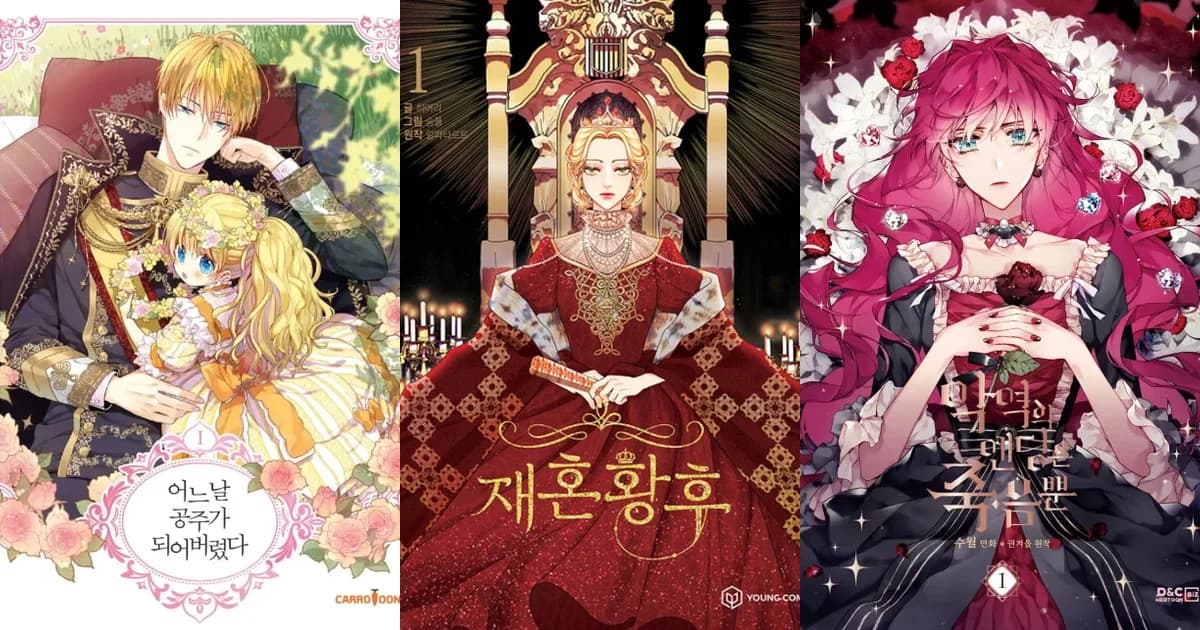
For ranked top picks, see our best villainess manhwa guide. That page ranks ten series against each other. This one doesn't rank anything. It's the reference version: the trope's mechanics, why it took off specifically in Korean web fiction, and a linked map of every series in the cluster we've actually covered, grouped by which structural approach each one takes. If you already know you want a ranked shortlist, use the other page. If you want to understand the genre well enough to pick your own lane, or you're trying to find a specific series we've written about, keep reading here.
Villainess Manhwa Overview
This hub exists because the villainess cluster on this site has grown past what a single ranked list can usefully hold. Between reviews, reading guides, and the ranked lists themselves, ChapterBrief has now covered more than twenty series that fall inside or directly beside the villainess trope. A ranking answers "what's best." This page answers a different question: "what is this genre actually doing, and where does a specific series I'm curious about fit inside it." The two pages are meant to be read together, not as competitors for the same search.
Key Takeaways
- Villainess manhwa is an isekai subgenre where the protagonist is reincarnated as the story's designated loser, not its hero, and uses foreknowledge of the plot to avoid that fate
- The genre has been one of manhwa's highest-volume subgenres since 2019, driven by a novel-first adaptation pipeline from Korean web-fiction platforms rather than a webtoon-native trend
- The roster below groups more than twenty series into five structural clusters: escape the doomed ending, hard/calculating villainess, family and rebuilding, political/court-adjacent, comedic and self-aware, plus a separate accountability-focused revenge cluster
- For a ranked shortlist instead of a full map, see the best villainess manhwa guide linked above
- No scanlation sources are referenced; every series named here has an official English release through WEBTOON, Tapas, Tappytoon, KakaoPage, or a licensed print/light-novel edition
Villainess Manhwa: What the Trope Actually Is
The mechanic is consistent across almost every entry in villainess manhwa: a modern reader dies, or falls asleep, or otherwise loses consciousness, and wakes up inside a story she already knows. Usually that story is a romance novel or an otome-style dating game. She isn't the heroine. She's the villainess, the rival, the discarded fiancée, or some other role the plot has already assigned a bad ending to. She knows how it goes, because she's read the book or played the game, and the rest of the series is her working against that outcome with the one resource she has that nobody else in the story does: knowledge of what happens next.
That's the whole engine. Everything else, romance, court politics, combat, comedy, gets layered on top of it. The reason the trope holds up across dozens of series with wildly different tones is that "avoid the death flag" is a genuinely flexible structural problem. It can be solved through warmth: win over the people who were supposed to hate you. Through strategy: manipulate the plot's mechanics from the inside. Through withdrawal: opt out of the story entirely. Or through force: get powerful enough that the original ending can't touch you. Different series pick different solutions. That choice is usually the most useful thing to know about a series before you start it.
Two structural variants show up often enough to be worth naming. In one, the protagonist regresses: she's living her second attempt at events she already failed once, usually because the first life ended in her death or ruin. In the other, she simply wakes up inside a story she read or played as a hobby, with no prior life in that world at all. Regression and villainess aren't the same premise, but they overlap constantly, because "I know how this goes wrong" is a convenient thing to justify either way.
Villainess Manhwa vs. Regular Isekai Romance
Worth separating out, because the two get lumped together often and the distinction changes what a reader should expect. Standard isekai romance puts the reincarnated protagonist in the position of the story's intended lead from the opening chapter. She might be weak at first, but the narrative is built around her succeeding. Villainess manhwa starts from the opposite position: the protagonist has already been cast as the person the story needs to lose. The romance, when it shows up, isn't a reward the plot is building toward. It's something she has to win against a script that assumed she wouldn't.
That difference shows up in pacing, too. Regular isekai romance tends to escalate through power or social standing. Villainess manhwa tends to escalate through information: what the protagonist knew from the start, what she learns that contradicts it, and how much of the original plot is still on track despite her interference. A useful test: if removing the protagonist's foreknowledge would break the story's central tension, it's villainess manhwa. If the story would mostly still work with an ordinary transported protagonist who just happens to be lucky and competent, it's closer to standard isekai romance wearing similar aesthetic trappings.
One more category is worth naming, even though it sits outside the roster below. The trope has a male-protagonist mirror: the "reincarnated as the doomed side character who tries to avoid the plot" structure used by series like Lout of Count's Family (also indexed as Trash of the Count's Family). A man wakes up as a novel's expendable noble. He spends the story trying to stay out of the main narrative's blast radius. The survival logic is nearly identical to a villainess premise. But the genre conventions built around it, found-family action-comedy instead of romance-fantasy, are different enough that it's usually shelved separately, and this hub doesn't count it in the roster below for that reason.
Why the Genre Exploded in Korean Web Fiction
Villainess manhwa didn't start as a webtoon format. It started as web novels on Korean serialization platforms, where reincarnation and regression premises were already reliable reader draws well before any of these stories got full-color art. That's the part competitor coverage of this genre usually skips: the trope's popularity isn't a webtoon-specific phenomenon that happened to also produce novels. It's a novel-first phenomenon that webtoon studios adapted once the demand was already proven, which is why so many entries on this page credit both a novel author and a separate manhwa artist.
Villainess manhwa has been one of the highest-volume manhwa subgenres since 2019. The reason that volume kept climbing isn't mysterious. Once a handful of villainess web novels demonstrated strong readership, adapting them to full-color serialized webtoon became a low-risk bet for platforms. The source material had already proven it could hold an audience before a single panel got drawn. That's a different growth pattern from most action manhwa, which more often originates directly as a webtoon with no novel serialization step first. It also explains why villainess manhwa titles vary so much in tone despite sharing a premise. They were adapted from novels written by different authors, each solving the same "avoid the bad ending" problem in a genuinely different way. That's not the same as being templated from one successful format, which is the accusation leveled at some higher-volume webtoon genres.
For the series that pushes the game-mechanics version of this premise furthest, tracking a literal death flag through in-story conditions:
Villains Are Destined to Die Review →
The Villainess Manhwa Roster, Organized by Theme
Every villainess manhwa series below is either reviewed or guided on this site, or verified through one of our own already-published villainess articles. They're grouped by which version of the "avoid the bad ending" problem each one is actually solving, since that tells you more about whether you'll like a given series than genre labels do.
Escape the Doomed Ending: Foreknowledge as Strategy
This is the largest cluster, and the closest thing villainess manhwa has to a default mode. The protagonist knows exactly what kills her, socially or literally, and spends the series maneuvering around it.
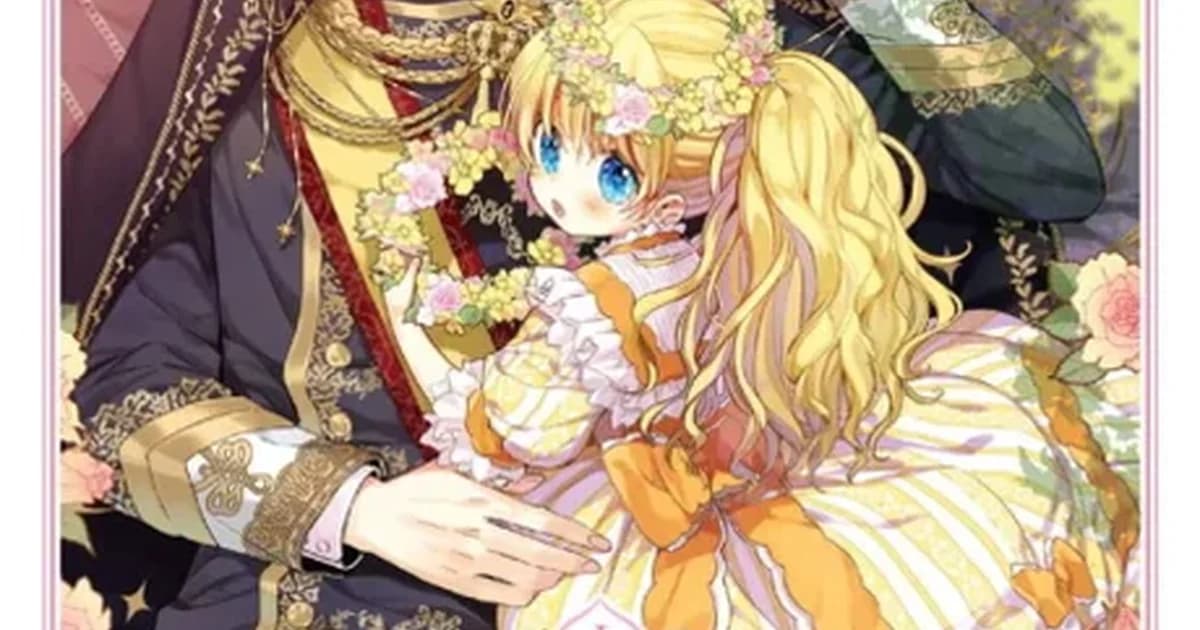
Who Made Me a Princess is the reference case. Athanasia knows her father the emperor is scripted to execute her, and the entire series is her slowly earning his affection instead. Its original run is completed at 135 chapters, available on WEBTOON and Tappytoon (new episodes have since resumed on the same listing, fan-labeled a Season 2), and it's the pick we'd point a first-time genre reader toward, because the mechanics are legible without much genre familiarity.
Raeliana runs the same problem through negotiation instead of warmth. She's a side character marked for murder. Her solution is a fake engagement to a duke that buys her both protection and standing at court. Completed at 158 chapters on Tappytoon and KakaoPage. It's one of the earlier series that helped establish the reincarnated-into-a-novel format as a commercial category rather than a niche.
The Perks of Being an S-Class Heroine treats the same problem as a risk-management exercise. Ailette approaches her doomed world the way an actuary would: identify every failure condition, insure against each one individually. It's ongoing at 125 episodes across Tapas, KakaoPage, and Yen Press print, and the strategy-first framing is what separates it from softer entries in the same cluster.
The Extra's Academy Survival Guide runs the same engine from an unusual angle: the protagonist isn't a villainess at all, he's a male background character who applies the exact same "avoid the plot" logic. Ed Rothstaylor has full knowledge of an otome game's story and uses it defensively, to stay as far from the main narrative as possible, instead of using it to win. It's the clearest evidence that the underlying structure isn't gender-locked to "villainess," even though most villainess manhwa is written and marketed with a female lead. Completed at 108 chapters, free on WEBTOON.
Beware the Villainess (Tapas, completed at 144 chapters) belongs here too, though its solution runs through comedy rather than strategy: Melissa is explicitly unimpressed by the archetypes assigned to her and dismantles the genre's own conventions from inside the story. The Villainess Turns the Hourglass (also listed as "Reverses" on some trackers; completed at 125 chapters on Tapas and Tappytoon) reframes the same escape problem as deliberate revenge against the people who ruined her first life. That pulls it closer to an anti-heroine arc than a sympathetic one.
Hard Villainess: Calculating, Cold, No Redemption Arc
A smaller, colder cluster. These protagonists aren't trying to be liked. They're trying to survive a system that's actively hostile, and warmth isn't part of the plan.
Villains Are Destined to Die is the extreme case. The protagonist is playing a hard-mode otome game when she wakes up inside it, and the game's affection mechanics are treated as literally dangerous: getting close to the wrong character can trigger her death flag. That structural seriousness is why the series reads darker than most villainess manhwa. Tapas currently lists 226 episodes and says the main story has closed before a hiatus and special episodes; Tappytoon carries another English edition.
How to Win My Husband Over (Tapas, 137 episodes, currently on a season hiatus) sits in the same register from a marriage-thriller angle. Ruby knows her husband is the story's final villain and that he kills her in the original novel, so the "romance" here develops out of real mistrust rather than warmth, closer to psychological drama than comfort reading.
Family, Found Family, and Rebuilding
A distinct sub-cluster where the stakes aren't romantic at all. The protagonist's foreknowledge is aimed at a family or household instead of a love interest.
I Shall Master This Family is the clearest example: Firentia is reincarnated at age seven with full knowledge that her noble family collapses, and she spends the series systematically preventing it before her grandfather runs out of patience. It's ongoing on Tapas and Tappytoon, not on WEBTOON, and its child-age reincarnation mechanic is the thing that separates it structurally from the rest of this list.
For the full arc breakdown of how Firentia's family-rebuilding plan plays out chapter by chapter:
I Shall Master This Family Review →
I Became the Villain's Mother (completed at 142 chapters, Tappytoon and KakaoPage) inverts the usual relationship entirely: the protagonist wakes up as the mother of a story's designated villain and spends the series trying to raise him into someone different than the person she read about. It's lighter in tone than most of this cluster, with the comedy coming from the gap between what she knows her "son" becomes and what she's trying to prevent through parenting rather than plot manipulation.
Political and Court-Intrigue Adjacent
These series share readership with the villainess genre and get recommended alongside it constantly, but the protagonist isn't cast as a villain in the strict sense. She's politically powerful, morally clear-eyed, and never scripted to lose.
The Remarried Empress is the flagship case: Navier is discarded by her emperor husband for a mistress, and rather than collapse, she remarries the ruler of a neighboring empire and rebuilds from a stronger position. Completed at 247 chapters on WEBTOON after a seven-year run, and it's the series to point readers toward once they've read three or four straight villainess entries and want more court politics with less magical reincarnation.
The Abandoned Empress (Tappytoon, completed) runs a closer parallel to the villainess structure through regression instead: Aristia is executed after being discarded by an emperor, then regresses to age nine with full memory intact. Unlike the entries above, her second life isn't aimed at romance recovery at all; it's about learning to exist without the future she'd trained for, and it's a notably more patient read than most political villainess manhwa.
I Will Politely Decline the Male Lead takes villainess manhwa's core premise to its quieter extreme: the protagonist's actual goal is to avoid the love interest entirely rather than reform him or replace the heroine. It's a slower, less dramatic read by design, licensed in English through J-Novel Club.
Comedic and Self-Aware Villainess
A cluster defined by tone rather than mechanics. These series know the reader has already seen a dozen villainess stories, and they play with that awareness directly.
When the Villainess is in Love (Tapas, completed at 106 chapters) inverts the genre's central anxiety outright: the protagonist wakes up inside her favorite novel as the villainess and is delighted about it, rather than trying to escape the role. Lady Baby pushes the structural comedy further still: Calliope regresses all the way back to birth, so an adult mind has to relearn how to walk and talk while investigating the conspiracy that killed her family the first time. Completed at 240 chapters. The Beloved Little Princess (Tappytoon, completed at 225 chapters) runs a similar toddler-mechanics premise, where the survival stakes are closer to charm than combat or court politics.
Revenge and Second-Chance With Accountability
The smallest cluster, and arguably the most morally interesting one: protagonists who don't get to treat their second chance as pure victimhood, because they were complicit in what went wrong the first time.
I Am the Real One sets up as a straightforward revenge premise. Then it spends most of its 160 completed chapters doing something quieter. The dark opening gives way to a healing family drama in the second half, a genre pivot most competitor coverage of this series doesn't flag. Completed February 2026, on Tapas, rated 7.3/10 in our review. The Villainess Lives Twice (WEBTOON) runs a harder version of the same idea. Artezia actively helped the wrong person take power in her first life. She doesn't get narrative permission to treat her regression as pure redemption. The series holds her accountable for what she participated in rather than framing her as only a victim.
Penelope, still building its chapter count at the time of our last check, takes a more structurally ambitious swing on the same idea. The protagonist is reincarnated as the villainess of an otome game and has to pursue all its romance routes at once to survive, rather than committing to one path the way the rest of villainess manhwa does.
Where to Read Villainess Manhwa
Platform fragmentation is one of villainess manhwa's real practical problems, and it's worth mapping directly rather than leaving readers to hunt series by series. WEBTOON carries Who Made Me a Princess, The Remarried Empress, The Villainess Lives Twice, and The Extra's Academy Survival Guide, usually with a Fast Pass option for unlocking recent chapters early; completed series there can be thinner on the website, where The Remarried Empress now lists only up to Episode 7 and sends readers to the app. Tapas and Tappytoon between them carry most of the rest of this roster: Villains Are Destined to Die, Raeliana, I Shall Master This Family, How to Win My Husband Over, and When the Villainess is in Love. Access there is generally a wait-for-free or per-chapter purchase system rather than a flat subscription. A smaller number of titles sit specifically on KakaoPage or Tappytoon, including I Became the Villain's Mother and Doctor Elise: The Royal Lady with the Lamp. One series here, I Will Politely Decline the Male Lead, is easier to find through its licensed light novel via J-Novel Club than through its manga adaptation.
Heads-up on Tapas: it shuts down on March 31, 2027, and episodes you unlocked there go with it. Villains Are Destined to Die is also on Tappytoon and Manta, The Villainess Turns the Hourglass and I Shall Master this Family on Tappytoon. Beware the Villainess, How to Win My Husband Over and When the Villainess is in Love have no other English storefront listed yet; Yen Press prints Beware the Villainess. (What the shutdown means)
No scanlation sources are referenced anywhere on this page. Every series named above has an official English-language release through one of the platforms listed.
Frequently Asked Questions
What is villainess manhwa?
Villainess manhwa is a subgenre of Korean web fiction where the protagonist is reincarnated or transmigrated into a story, usually a romance novel or otome game, not as the heroine but as the villain marked to lose. She typically has foreknowledge of the plot and spends the series using it to avoid the ending the story already wrote for her.
What's the difference between villainess manhwa and otome isekai?
The two overlap almost completely and get used interchangeably. Otome isekai describes the mechanic: reincarnation into an otome-game-style story. Villainess manhwa describes the role the protagonist occupies once she's there. Most series fans call otome isekai are also villainess manhwa, though a few otome-isekai entries put the protagonist in a background role instead of the story's designated antagonist.
Why is villainess manhwa so popular in Korean web fiction specifically?
The genre has been one of the highest-volume manhwa subgenres since 2019. It grew out of Korea's web novel serialization platforms, where reincarnation and regression premises were already established reader favorites well before the format moved to full-color webtoon adaptations. The villainess role gave that existing appetite for foreknowledge-driven plots a female-led angle that romance-fantasy readers responded to fast, and the pipeline from web novel to webtoon kept the volume high.
What's the difference between villainess manhwa and regular isekai?
Standard isekai puts the reincarnated protagonist in the hero's seat from the first chapter. Villainess manhwa reverses that: the protagonist starts in the position the story already scripted her to lose from. The tension comes from working around a plot stacked against her, not from raw power gain, which is why the genre reads closer to romance and political maneuvering than to combat-focused isekai.
Which villainess manhwa should I start with?
Who Made Me a Princess is the standard entry point: completed, warm in tone, and structurally simple enough that the trope's mechanics are easy to follow on a first read. For something colder and more strategic, Raeliana or Villains Are Destined to Die make better starting points.
Where can I read villainess manhwa legally?
WEBTOON hosts several completed and ongoing series, including Who Made Me a Princess (free episodes listed on the website) and The Remarried Empress (completed; the website lists only up to Episode 7 and the rest is in the WEBTOON app). Tapas and Tappytoon carry most of the rest, usually with a wait-or-pay system for recent chapters, and a handful of titles, like I Became the Villain's Mother, sit on Tappytoon and KakaoPage specifically.
Is villainess manhwa the same as regression manhwa?
Not exactly, though the two overlap often. Regression describes a mechanic: the protagonist relives a life or timeline she already lived. Villainess describes a role: the protagonist is cast as the story's antagonist. Many villainess manhwa use regression as the delivery method for foreknowledge, but plenty of others use straightforward reincarnation into a book or game instead, with no repeated timeline involved.
Related Reading
- Raeliana Manhwa Review: Full verdict on the fake-engagement negotiation that helped establish the reincarnated-into-a-novel format.
- The Perks of Being an S-Class Heroine Review: Full verdict on Ailette's risk-management approach to a doomed otome world.
- The Extra's Academy Survival Guide Review: The genre's plot-avoidance engine run through a male background character instead of a villainess.
- Villainess Isekai Trope Explained: The mechanics companion to this hub. Goes deeper on the death-flag structure itself and the romance-vs-family, revenge-vs-quiet-life sub-variations, rather than the full series roster.