The Infinite Mage review starts with one number: roughly 150 episodes across two completed seasons on Tapas in English. After reading both, the question it comes down to is simple: does a magic-academy story still work when the hero's superpower is that he reads a lot? It does, because the series makes comprehension the actual mechanic rather than a character quirk.

Reviewing
The Infinite Mage
Chi-U Kim (novel), kiraz (adaptation), Themis (Season 1 art), Aditi (Season 2 art) · Tapas
Score
Pros
- The spirit-zone mechanic ties magic to comprehension rather than bloodline, which gives the weak-to-strong arc an actual thematic engine
- Sirone's reading obsession is set up early and pays off as a real advantage, not a personality label
- Themis and Aditi keep the art legible during magic sequences, so escalating power reads clearly instead of turning into light-flare soup
Cons
- The noble-versus-peasant gatekeeping is stated more often than it is dramatized, especially in early episodes
- Season 1 spends a long runway on academy setup before the stakes sharpen
Verdict
The Infinite Mage is a magic-academy progression manhwa that earns its premise by making intelligence, not talent, the source of power, though its early pacing tests patience.
TL;DR: The Infinite Mage is a magic-academy progression manhwa where the hero wins through reading and comprehension, not a cheat skill. Two seasons on Tapas, strong legible art, a slow start. Score: 7.8/10.
Key Takeaways
- Platform: Tapas (English), which also lists the original Korean web novel. About 150 comic episodes across two seasons.
- Status: on hiatus since Tapas' April 24, 2026 announcement; a third season is anticipated but has no confirmed return date. Two full seasons are available to binge now.
- Credits: based on the web novel by Chi-U Kim, adapted by kiraz; Season 1 art is credited to Themis and Season 2 art to Aditi.
- Catch-up time: budget eight to ten hours to read both seasons at a steady pace.
- Genre: magic-academy progression fantasy with a peasant-versus-nobility social spine.
- Core hook: magic is gated by the "spirit zone," and the lead's advantage is cognitive, not inherited.
Overview
The Infinite Mage is adapted from a Korean web novel by Chi-U Kim, with the webtoon script handled by kiraz. Tapas credits Themis on Season 1 and Aditi on Season 2 for the comic art. That division matters, because the series reads like prose that was storyboarded carefully rather than a comic improvised panel by panel. The plot beats are paced like novel chapters, which is both its strength and the source of its early drag.
The premise: Sirone is abandoned as an infant in a stable and raised by a family of hunters. Peasant life offers no path to magic, since the world treats magic as a noble privilege. What Sirone has instead is a reading habit. He learns to read young and becomes obsessed with books, especially histories of magic. When he finally meets a mage and learns to enter the spirit zone, the first step toward casting anything, his years of reading turn out to be the foundation everyone else skipped.
The series caught attention because that setup is not just flavor. Plenty of progression manhwa hand the protagonist a system window or a regression do-over. The Infinite Mage instead asks what happens when the cheat is literacy and pattern recognition. The first impression is mixed: the idea is sharp, but Season 1 takes its time proving it.
For how that trope actually differs from reincarnation and possession, see our regression vs reincarnation breakdown.
The Infinite Mage Review: Art & Story
Themis's Season 1 art uses a clean, slightly cool palette that suits a story about thought and study more than brawling. Aditi continues that readable approach in Season 2. Linework stays controlled, and crucially, the magic sequences remain legible. When Sirone manipulates an effect inside the spirit zone, you can usually follow what is happening, which is rarer than it should be in a genre that loves drowning panels in glow.
The story's best decision is structural. Magic here is gated through the spirit zone, a meditative state a caster must reach and hold before any spell exists. Progression is tied to how well a person can visualize, stabilize, and reason inside that state. Because Sirone spent his childhood reading and imagining, he enters and controls the spirit zone with a fluency that noble-born students, handed tutors and assumptions, never had to build. The class conflict and the power system are the same idea wearing two coats. That is good design.
What works in concrete terms: the early reveal that Sirone's comprehension is a structural edge, not a lucky trait, lands because the series planted it from episode one. The payoff is earned. The academy rivalries gain weight once you understand that Sirone is not out-talenting anyone, he is out-thinking them.
What does not work: the noble-versus-peasant theme is told more than shown in the opening stretch. Characters explain the social order in dialogue when a scene would do the job better. And Season 1 spends a long runway on setup, introductions, and entrance exams before the stakes get teeth. Readers who bounce off slow starts should know the climb is real for the first dozen episodes.
The pacing improves once the academy arc establishes its players. By mid Season 1 the chapter-to-payoff ratio tightens, and Season 2 trades some of the patient setup for sharper competitive arcs. For readers who like progression fantasy alongside system-driven worlds, the foundations here are closer to a study montage than a string of easy wins, which is a feature if that is what you came for. Fans of the genre can compare its structure to the picks in our best system fantasy manhwa roundup.
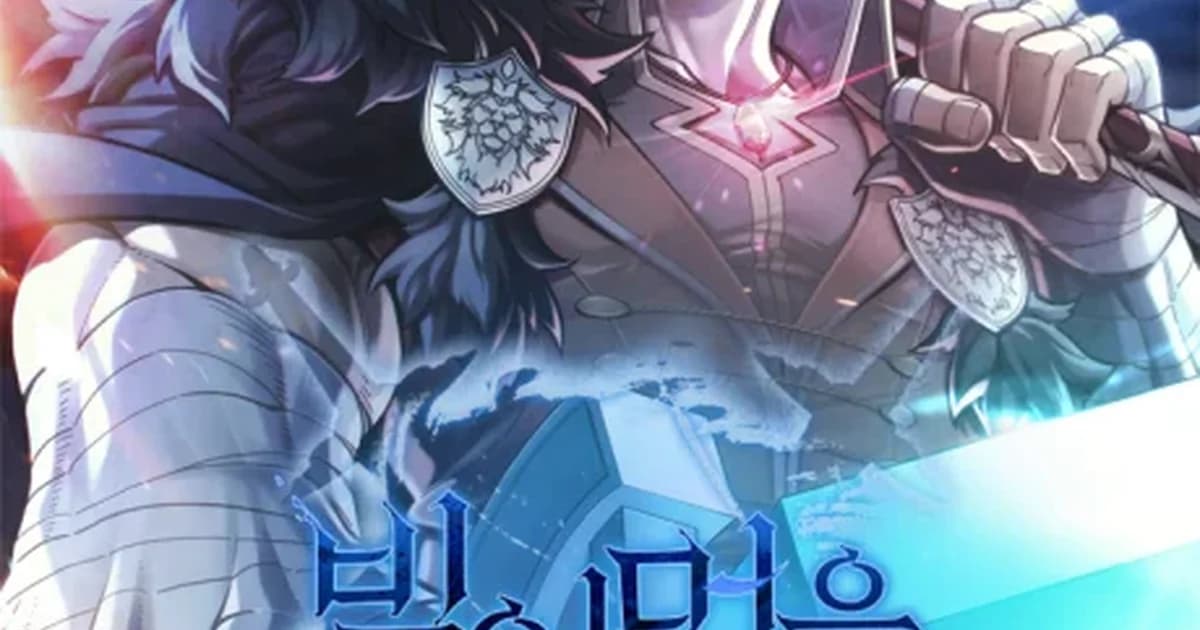
 The series leans on clean, legible art even when the spirit-zone magic ramps up.
Rubric Assessment
Art Consistency
The art holds steady across both seasons. Themis and Aditi avoid the common failure where escalating power forces escalating visual noise. Backgrounds occasionally thin out during talk-heavy episodes, but character expression and spellwork stay readable. Call it a strong, consistent showing rather than a showpiece.
Pacing
This is the weakest dimension early and a solid one late. The first stretch front-loads worldbuilding and social setup, and the payoff ratio is low until the academy arc finds its rhythm. Once it does, the series rewards patience with cleaner arc resolutions. If you measure pacing across the whole run rather than the first ten episodes, it grades well.
Character Depth
Sirone is the obvious standout, and his motivation, curiosity rather than revenge, is refreshing for the genre. The supporting cast is uneven. A few rivals and mentors get real interior lives, while others exist mainly to mark Sirone's progress. The series has more agency in its lead than in its bench.


Translation Quality
The official Tapas translation is clean and consistent, which matters for a story this dependent on explaining its own magic logic. Terminology stays stable across seasons, so the spirit-zone mechanics never get muddied by shifting word choices. Reading on the official platform is the right call here.
It matters more than usual right now: South Korea shut down Newtoki, Manatoki, and Booktoki, the region's biggest piracy hub, in 2026, and the operator now faces criminal charges.
Reread Value
Higher than expected. Because the comprehension theme is seeded early, a reread surfaces setup you missed the first time, especially in how Sirone's reading habit foreshadows later breakthroughs. It is not a mystery box, but it respects attentive readers.
The Infinite Mage Review Verdict
The Infinite Mage is for readers who want a magic-academy progression story where intelligence is the engine, not a label on the character sheet. If you enjoyed the slow-build competence of reincarnation fantasies (A Returner's Magic Should Be Special is the closest comparison in the genre) but want a lead who builds his edge from scratch rather than importing it from a past life, this fits. It is not for readers who need the first episode to open with a fight, or who have no patience for academy politics.
The score reflects a sharp central idea executed with consistent art and clean translation, held back by an early pace that asks for trust before it delivers. What would raise it: tighter opening episodes and a deeper supporting cast. As it stands, the back half makes the front half worth it.
The Good
- The spirit-zone system ties power to comprehension, which gives the weak-to-strong arc a real thematic engine.
- Sirone's reading obsession is planted early and pays off as a structural advantage, not a label.
- Themis keeps the magic sequences legible instead of burying them in glow.
The Cons
- The noble-versus-peasant theme is told more than shown in the early episodes.
- Season 1's setup runway is long before the stakes sharpen.
Rating: 7.8/10
Frequently Asked Questions
How many chapters does The Infinite Mage have? The English release on Tapas runs to 150 episodes across two completed seasons. That count has held steady because the series has been on hiatus since Tapas posted an announcement on April 24, 2026. A third season is anticipated but has no confirmed date yet. New readers can binge two full seasons of story right now without waiting on a cliffhanger gap.
Is The Infinite Mage completed or ongoing? It is on hiatus, not completed. Two seasons have been released and Tapas confirmed on April 24, 2026 that the series would pause after Season 2 before returning with Season 3. No return date has been announced. The series is adapted from a Korean web novel by Chi-U Kim, so the source material gives the webtoon a long runway of story still to cover.
Is The Infinite Mage worth reading? If you like magic-academy progression where the lead wins through study and comprehension rather than a cheat skill, yes. The spirit-zone system gives the power growth a clear internal logic. Readers who want fast action in the first ten episodes may find the academy setup slow.
What is the spirit zone in The Infinite Mage? The spirit zone is the meditative inner state a person must reach before they can use magic at all. It functions as the entry gate to the whole system. Sirone's edge is that his reading and visualization let him understand and stabilize this state faster than peers born into magical families.
Where can I read The Infinite Mage? The Infinite Mage is available in English on Tapas, which also lists the original web novel version. The novel is on a localization hiatus announced September 18, 2025; the comic is on a separate Season 2 hiatus announced April 24, 2026.
Tapas is the only English home for The Infinite Mage right now, and it closes on March 31, 2027. No move to another platform has been announced. (What the shutdown means)
Is The Infinite Mage similar to The Beginning After the End? They share a reincarnation-adjacent, magic-progression skeleton, but the engines differ. The Beginning After the End leans on a reincarnated adult's hidden expertise, while The Infinite Mage builds its lead's power from childhood reading and raw comprehension inside the spirit zone.
Related Reading
- The Beginning After the End review for another magic-progression lead, built on a different engine.
- Best system fantasy manhwa if the structured power growth here is what you want more of.
- Second Life Ranker review for a dungeon-and-power-progression manhwa with a similarly patient early structure.
- Best cultivation manhwa for the adjacent progression genre where training and comprehension drive the climb.
References
- The Infinite Mage on Tapas (official English platform page)
- The Infinite Mage novel on Tapas (novel listing and localization hiatus)
- The Infinite Mage on AniList (status, score, and credits)