Swordmaster's Youngest Son review: 7.6/10. It's worth starting in 2026 if you want a quick, good-looking sword fantasy with a family-politics hook. Skip it if you need a hero who really struggles: the loudest complaint among readers is that Jin Runcandel wins too easily, and after looking through their threads we think that complaint is fair.
Reviewing
The Swordmaster's Son
Hwangje Penguin (novel), COBY and AZI (adaptation), Je-Won Lee (art) · Tapas
Score
Pros
- The Runcandel family is the engine: Jin was thrown out of the clan he was born to lead, and his second life is a fight for a place in that same house
- The fight art is the one thing even the series' harshest readers give it credit for
- There's a lot of road left, because the finished source novel runs far past where the webtoon is now
Cons
- Mid-tier villains fold fast, so many fights carry less tension than the underdog setup suggests
- Jin keeps collecting powers, and some readers say the story loses its bite once he does
Verdict
Swordmaster's Youngest Son is a quick, good-looking sword fantasy built on family politics; it earns its popularity on art and setup, and loses some of it when Jin starts winning too easily.
The Korean original is 검술명가 막내아들 (Geomsulmyeongga Mangnaeadeul), which fans shorten to SYS. In English it runs on Tapas as The Swordmaster's Son. It's a Kakao series adapted from Hwangje Penguin's web novel, with art by Je-Won Lee and the script by COBY and AZI.
Tapas is the only English home for The Swordmaster's Son right now, and it closes on March 31, 2027. No move to another platform has been announced. (What the shutdown means)
Where Swordmaster's Youngest Son stands
| English (Tapas) | Korean (Kakao Webtoon) | |
|---|---|---|
| Episodes | 201 | 216 (Oct 10, 2026) |
| First episode | Aug 31, 2022 | 2022 (AniList start date Apr 30, 2022) |
| Status | Season 2 finale posted Jun 20, 2026; hiatus notice Sep 5, 2026; no Season 3 date | Season 3 running since Jul 18, 2026, weekly |
| Source novel | Finished on KakaoPage, 1,147 episodes |
So the English edition is on a break while the Korean one is fifteen episodes into its next stretch. If you start now, you'll catch up to the English end long before Tapas closes. What happens to Season 3 in English after that is anyone's guess, and our Season 3 catch-up guide tracks it.
*The Korean promo video from Contents Lab Blue, the studio credited with the adaptation. The title reads "The youngest that everyone thought was useless has returned!"*What the story is about
Tapas sums up the setup well: Jin Runcandel "was destined to become the head of his swordmaster clan," but he's "banished for his shoddy swordsmanship." He makes a contract with the god Solderet that frees him from the curse holding him back, then "meets a rather unfortunate end," and "awakens as a baby, long before his tragedy began."
The family is the hook. Jin is "the youngest son of Runcandel family," in AniList's words, and his father Chiron is the clan head and "the undisputed strongest human." His older sister Luna is the strongest of the siblings and has stepped away from the fight over who inherits. A second childhood in that house means a second try at earning respect from people who already threw him out once. Instead of sending Jin after some outside enemy, the story keeps him at the dinner table with the people who judged him.
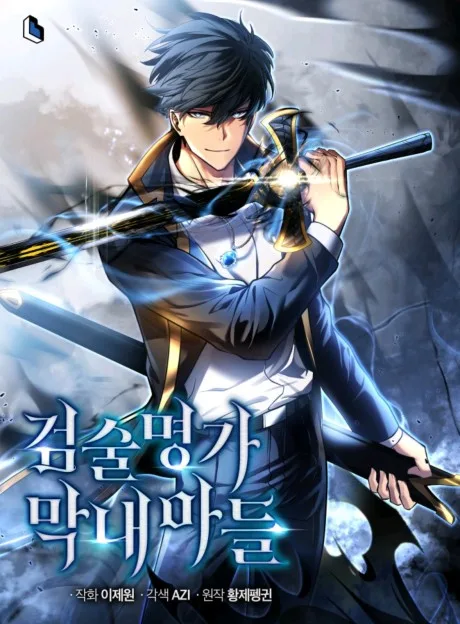 Korean cover, credits 작화 이제원 (art), 각색 AZI (adaptation), 원작 황제펭귄 (original story). Cover via AniList.
Does Jin actually struggle?
Less than the premise suggests. That's the part we got wrong in the first version of this review, and it's the thing to know before you start.
The sharpest criticism comes from r/manhwa. One June thread asking "why is this book so overglazed" puts it bluntly: "The MC solved everything flawlessly even for an MC he does it easily." In a May thread about a villain who goes down without a fight, a reply put the problem in one line: the series focuses so much on the hero that "the villains stop looking like a threat."
Jin isn't untouchable, though. In the same May thread, another reader pointed to the season's best fight, where "The Patriarch's sister whooped MC's ass and even fought on par with the dragons." And when a September post complained that Jin had too many powers and still couldn't beat a flagbearer, a novel reader replied that "he is about halfway up in the flag bearer rankings in power." So the top of the family still outclasses him. Plenty of the outside opponents just don't.
Our read: treat it as a power-fantasy with a family drama attached, not as an underdog story. That's how its fans read it too. One of the most upvoted replies in that September thread came from a reader who likes it "especially when I want a easy to read and fast entertainment."
The art
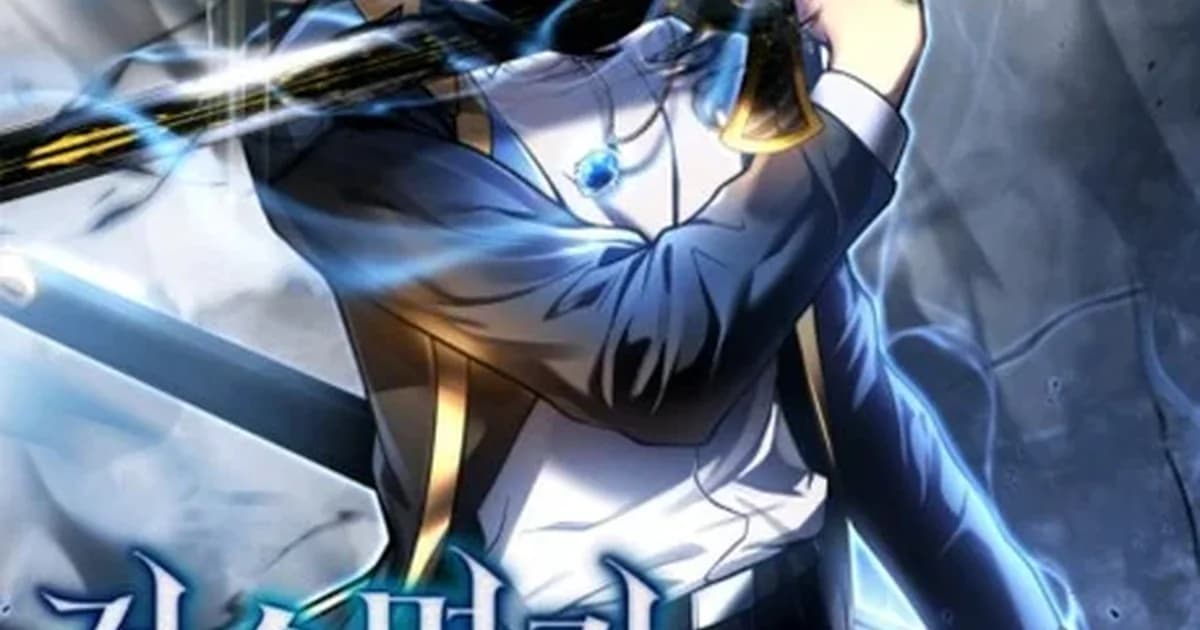
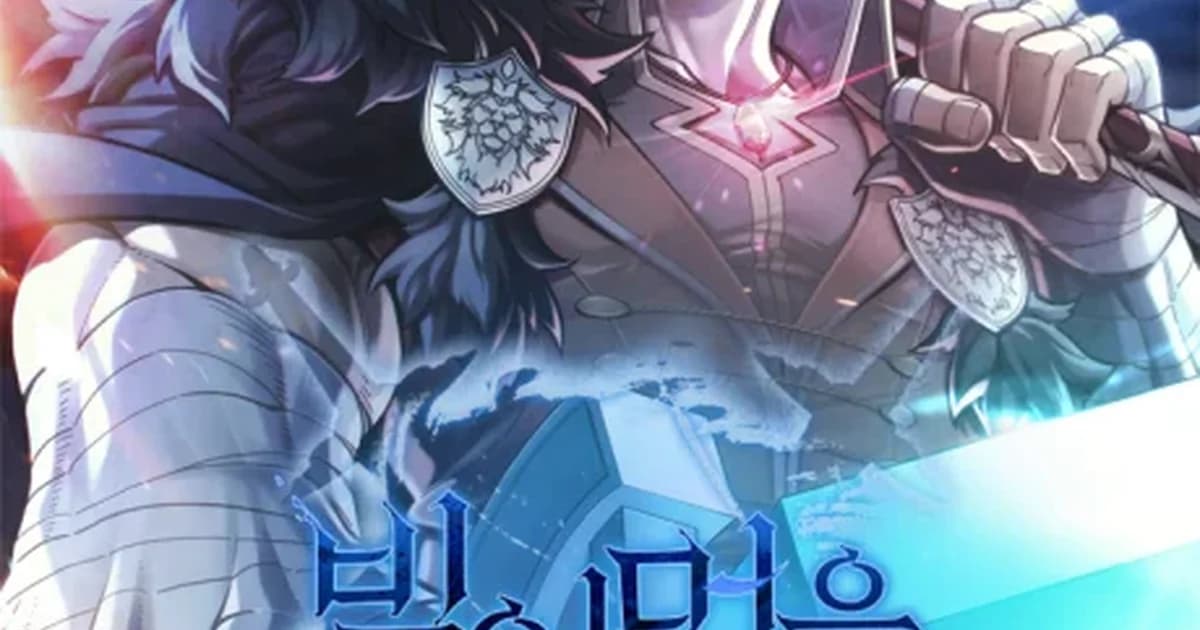
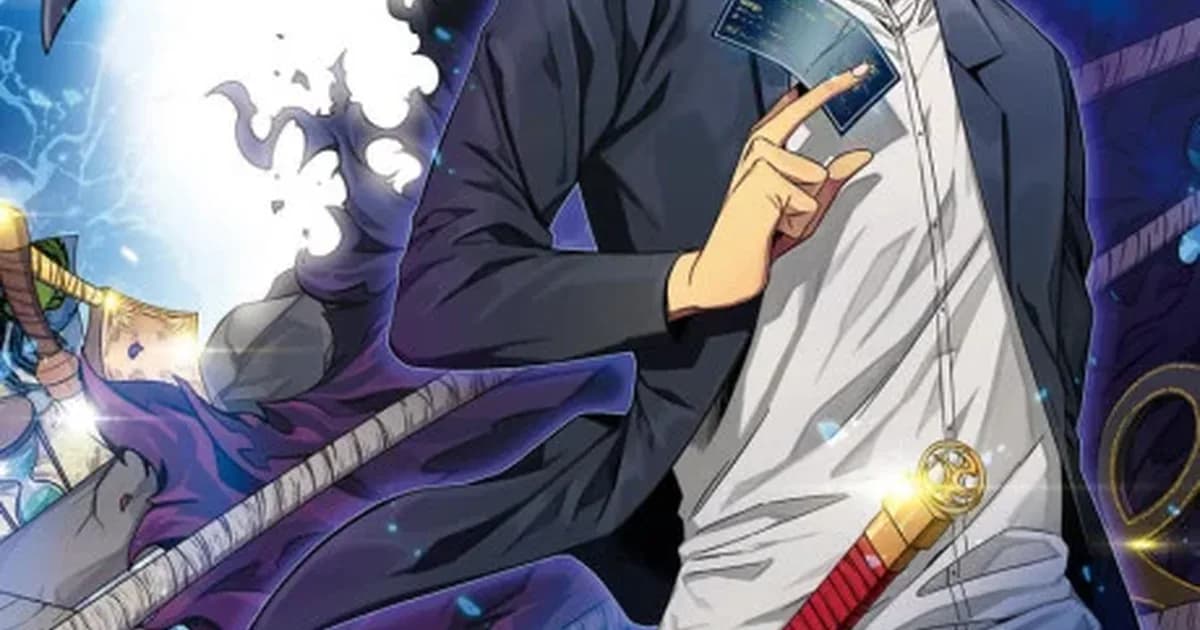
Je-Won Lee's art is the series' strongest selling point, and even the people who dislike the story tend to admit it. In the September thread, one of the top replies was simply "only good thing about this is the art." Not everyone agrees; a commenter in the June thread argued that "everyone looks the same, and fights are badly choreographed." From the covers and promo art we looked at, we'd side with the majority: clean lines, readable poses, a lot of motion in a single frame.
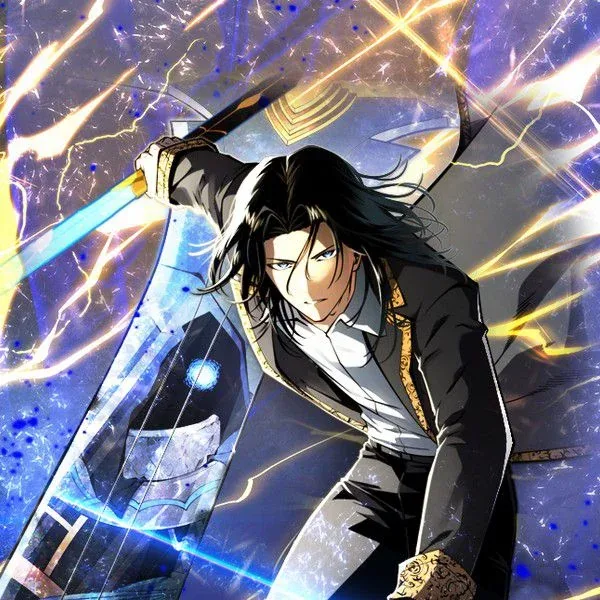 Kakao Webtoon's sharing art for the series. Image via Kakao Webtoon.
The long hair is recent. On the day the Korean edition came back in July, an r/manhwa post was titled "the new hairstyle doesn't suit him", and the replies argued it out.
Pacing over the long run
The webtoon moves fast, and the novel behind it is long. One reader who couldn't wait after episode 201 switched to the novel and found "there are 1147 chapters." That's good news if you like the world: the webtoon has a lot of story left to adapt.
The catch is fatigue. A fan in the September thread, who opened with "I love this serie," still said "it get tedious pass 200 chapters," with characters from early on out of the picture for a long time. Another reader summed up the slide more harshly: the story is enjoyable while the hero works to get stronger, "But once he gets showered with rare and unique powers… it just loses all meaning to me."
Swordmaster's Youngest Son Review Verdict
The Good
The family setup gives every early arc a reason to matter: Jin isn't just getting stronger, he's trying to win back a place in the house that threw him out. The art carries the fights, and the source novel is long and finished, so there's no risk of the story stalling for lack of material.
The Cons
The underdog premise doesn't hold for long. Jin piles up powers, outside villains fold quickly, and readers who wanted a struggle drop off. If The Knight Only Lives Today is your idea of regression done right, this will feel light.
Final score: 7.6/10. We'd start it for the Runcandel family and the art, read it as a fun power fantasy, and not expect it to hurt.
How we checked this
We checked the Tapas and Kakao Webtoon episode lists, AniList's series and character entries, KakaoPage's novel page and six r/manhwa threads on October 15, 2026. The story and pacing notes come from the publisher's description and the readers quoted above, not from a full read of our own. This version replaces an earlier review that said Jin "loses real fights" against stronger opponents and gave a wrong Season 2 end date.
Last reviewed: October 15, 2026
Related Reading
- Swordmaster's Youngest Son reading guide: where to start on Tapas, how the seasons split and how far ahead the Korean edition is.
- Swordmaster's Youngest Son Season 3 catch-up: a recap for readers who finished Season 2 and want to know where the Korean return leaves them.
- Swordmaster's Youngest Son character guide: Jin's family, the flagbearer siblings and the Zipple rivals, checked against AniList.
- Manhwa like Swordmaster's Youngest Son: seven picks for the wait, ranked by how much family drama each keeps.
- Damn Reincarnation review: the top pick on our lookalike list, another reborn hero proving himself inside a famous bloodline.
- The Knight Only Lives Today review: our pick if you want a regression lead who earns each loop through failure.
- The Stellar Swordmaster review: a slum orphan with a talking sword, if you'd rather skip the noble-family politics.
- Best regression manhwa of 2026: nine series where the second chance costs something; SYS didn't make that cut.
- Best action manhwa: the wider shelf if fights are what you're after.
References
- The Swordmaster's Son on Tapas: English release, episode list, hiatus notice and credits.
- 검술명가 막내아들 on Kakao Webtoon: Korean release and episode list.
- 검술명가 막내아들 web novel on KakaoPage: the finished source novel.
- The Swordmaster's Son on AniList: titles, staff and character entries.