Loading…

ChapterBrief · Manhwa
Manhwa Color vs Black and White: Why the Difference Exists
Manhwa color vs black and white manga isn't culture or art skill, it's print economics vs digital-first design, plus the real exceptions to both.
10 min readBy Sophie Laurent
TL;DR: Manhwa color vs black and white comes down to production model, not culture. Manga stayed black-and-white because weekly print magazines made full color too slow and too expensive to sustain; manhwa launched in full color because it skipped print serialization and grew up on phone screens instead. Neither rule is absolute, and the exceptions are worth knowing.
Every "manga vs manhwa" explainer treats color as a bullet point. Here's the version that treats it as the actual question: why did two comics traditions that both started on paper end up looking so different, and does the rule ever break?
It does, in both directions. Some of the biggest manga in the world have gotten official full-color re-releases. Manhwa itself was black-and-white for decades before it wasn't. Neither industry picked a look because artists preferred it; both picked the format their distribution model could afford, and color followed from that. For a broader breakdown of how manga, manhwa, and manhua differ beyond just color, see our companion piece on manga vs manhwa vs manhua. This one stays narrow: color, why it split the way it did, and where it doesn't.
Key Takeaways
- Manga's black-and-white default traces to weekly print magazine economics, not an aesthetic preference. Full color at that page count and print run would be too slow and too expensive to sustain.
- Manhwa's full-color default traces to the opposite constraint. Naver Webtoon and KakaoPage built the format for phone screens with no print run at all, so color cost nothing extra from day one.
- Neither rule is fixed. Shueisha put out an official full-color digital edition of Chainsaw Man in December 2021, and manhwa itself was mostly black-and-white in its pre-webtoon, print-magazine era.
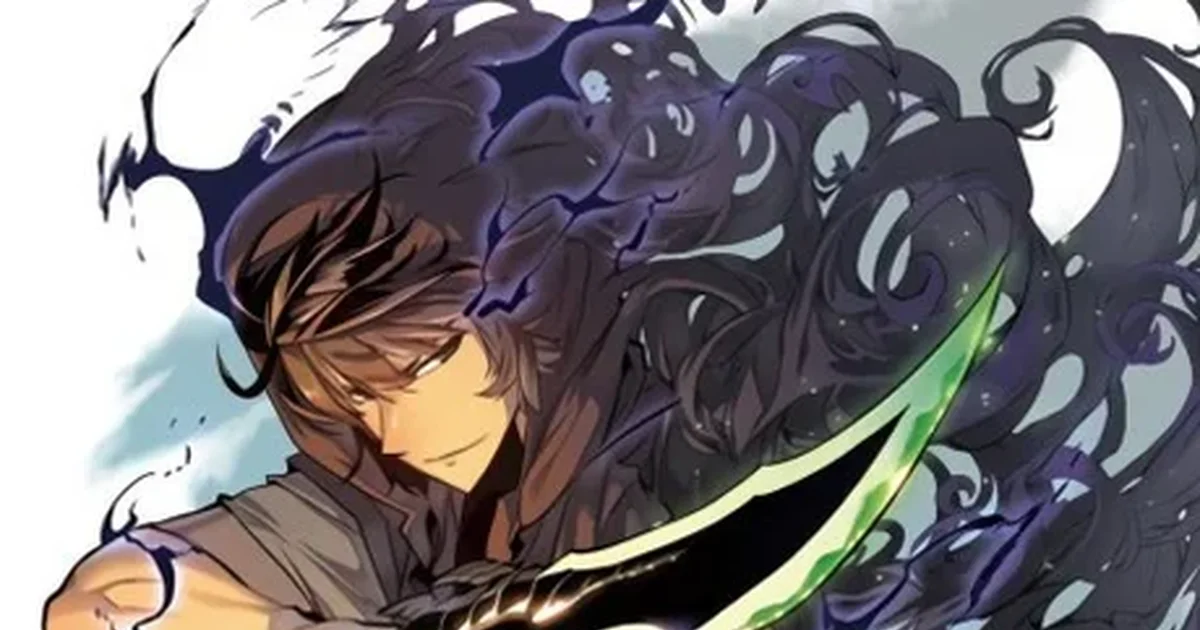
- Color isn't decorative. Series like Solo Leveling use palette and lighting to do work a black-and-white page has to do with linework and screentone density instead.
- Manhua splits closer to manhwa than manga on color, but its platforms operate under tighter content review than either.
Manhwa Color vs Black and White: The Overview
The short version: manhwa color vs black and white tracks the delivery system each comics tradition was built around, not a national art preference. Manga's home is still the weekly print magazine, chiefly Weekly Shōnen Jump and its competitors, a model that has run black-and-white since the postwar manga boom because color printing at that volume and speed was never affordable. Manhwa's home is the smartphone. Naver launched its webtoon platform in 2004, and Korean publishers built the format around vertical-scroll, full-color strips meant for one-thumb reading on a commute, not printing and binding. By the time KakaoPage's wait-or-pay unlock model showed up, color wasn't a premium feature. It was just what the platform did by default, because a digital page costs the same to render in black-and-white as it does in millions of colors.
Nobody in Tokyo decided manga should look austere, and nobody in Seoul decided manhwa should look vivid. Print cost structure produced one outcome and zero print cost produced the other. Everything downstream, including how each format handles pacing and mood, follows from that split rather than causing it.
Why Manga Stayed Black and White
Advertisement
Ask why is manga black and white and the honest answer is deadline math. A serialized weekly manga artist turns in roughly 15 to 20 pages every week, drawn, inked, and toned on a schedule that barely allows for sleep, let alone a full color pass. Add color art direction to that cycle and the studio needs a different production pipeline: more staff, more review passes, more cost per chapter. Weekly print magazines were never built to absorb that when the format solidified in the postwar decades on the cheapest paper available.
Print economics reinforced the habit long after cost alone might have allowed for change. Readers learned to read black-and-white pages fluently: screentone density standing in for shading, linework standing in for color contrast. That fluency became part of what manga is supposed to look like, so even now that some manga is distributed digitally with no print run at all, most publishers keep the black-and-white pipeline. Changing it would mean retraining art teams and resetting decades of reader expectations. The format outlived the constraint that created it.
Why Manhwa Launched in Full Color
Manhwa's full-color default is not just an absence of print cost. It was also a competitive choice. When Naver Webtoon and KakaoPage were building an audience for a format nobody had to adopt, full color was a visible point of differentiation on a phone screen. A vertical strip that pops in thumbnail form on an app's front page gets tapped more often than one that looks like a scanned magazine page. Color became a production non-issue and a retention lever at the same time, which is a big part of why it never went away once webtoon platforms scaled.
That's also why manhwa reads differently than a black-and-white manga on a phone, before the plot even gets involved. A colored panel front-loads mood the instant it renders: warm light means one thing, a cold blue wash means another. That's not automatically better storytelling. It's a different tool, available because the format never had to ration it.
Want to see which manhwa actually use color as a deliberate storytelling tool instead of just defaulting to it? ranks the ones where it's doing real work.
Best Full Color Manhwa →
The Exceptions: When Manga Gets Color and Manhwa Doesn't
Neither side of this rule is absolute, and treating it as one is where most explainers stop short. Start with manga: Shueisha released an official full-color digital edition of Chainsaw Man in December 2021, recoloring the black-and-white weekly chapters for a standalone digital release. It's not the only case; long-running flagship titles occasionally get the same treatment for anniversary or digital-exclusive re-releases, proof that black-and-white in manga is a reversible production default, not a technical ceiling.
Now flip the question: is all manhwa full color? No. Korean comics existed for decades before Naver Webtoon launched in 2004, largely in print, largely black-and-white, running through the same magazine-and-collected-volume system manga still uses. What changed wasn't the country of origin; it was the delivery mechanism. A handful of manhwa still gets print-first, black-and-white releases today, mostly for the Korean domestic print market rather than the webtoon apps most international readers know. The color rule tracks platform, not nationality, and it always has.
Note: None of this makes full color the "better" version of either format. It's a distribution trade-off, not a quality signal. A black-and-white page with strong linework can carry more tension than a lazily colored one, and vice versa.
Manhwa Color vs Black and White Analysis: How It Changes the Reading Experience
Where manhwa color vs black and white stops being production trivia and starts mattering to readers is pacing and mood. In Solo Leveling, DUBU's shadow army sequences lean into near-black blues and violet washes to sell nighttime dread and overwhelming scale in a single panel, the kind of instant mood-setting a black-and-white page has to build gradually through screentone density and panel rhythm instead. Daylight dungeon runs get warmer, flatter color to signal a lower-stakes register before a fight even starts. A reader picks up on that shift before reading a single line of dialogue.
Black-and-white manga does the equivalent work differently, and arguably with more restraint. A sudden shift from clean linework to dense crosshatching signals dread the way a manhwa's color wash does, but it asks the reader to notice a texture change rather than handing them mood outright. Neither approach is faster to read; they're different instruments. Color just gives an artist one more lever to pull mid-scene, and a black-and-white artist has to make everything else, panel composition, line weight, negative space, work harder to compensate. Some of the tensest black-and-white pages in the medium do more with a blank panel than a fully rendered color spread manages with every tool available.
Where Manhua Fits Into the Color Question
Advertisement
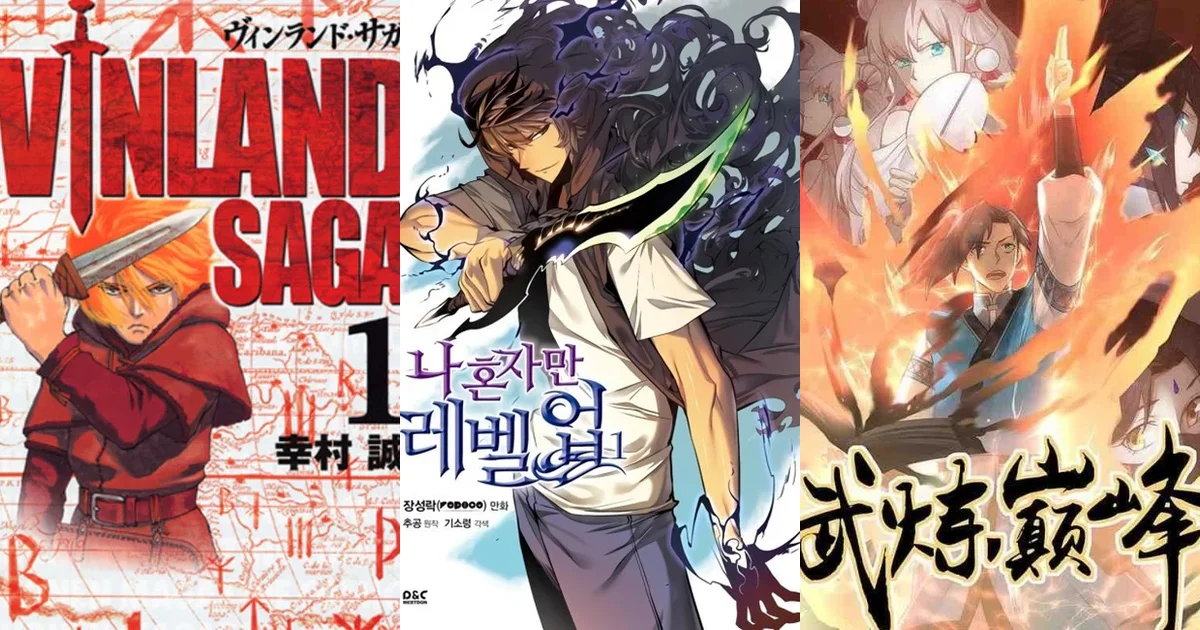
Manhua sits closer to manhwa than manga on this question, but for a slightly different reason. Chinese webcomic platforms including Bilibili Comics, Tencent Comics, and Kuaikan Manhua followed the same digital-first, no-print-run logic that pushed manhwa toward full color, and a growing share of manhua published in the last decade is full color for exactly that reason. Older, more traditional manhua, along with plenty of wuxia and cultivation print releases, still runs black-and-white through the same magazine-style pipeline manga uses. Martial Peak, one of the longest-running cultivation manhua at thousands of ongoing chapters, sits in the newer full-color camp.
What manhua adds to the picture is content review layered on top of the format question. Chinese platforms operate under government content regulation that neither Korean nor Japanese platforms answer to, and that affects what gets drawn regardless of whether the page is in color. Color there is a production decision; what's allowed on the page is a separate, stricter one. If you're deciding where to actually read any of these formats legally, Where to Read Manhwa Legally in 2026 covers the platform side.
New to manhwa and want to see the format's full-color approach in action from a beginner-friendly starting point? picks entry points by genre.
Best Manhwa for Beginners →
Frequently Asked Questions
Why is manhwa in color but manga is black and white? Manga's black-and-white default comes from weekly print magazine economics. Color art at that speed and print volume was never affordable, and readers learned to read the format fluently, so it stuck even now that digital manga exists. Manhwa's full-color default comes from skipping print serialization almost entirely and building on phone-native platforms like Naver Webtoon and KakaoPage, where color costs nothing extra to render.
Is all manhwa full color? No. Print-era Korean comics before Naver Webtoon launched in 2004 were mostly black-and-white, running through the same magazine system manga still uses, and a small amount of print-first manhwa today still is. The color default tracks the webtoon platform format, not the country of origin.
Does any manga get official color editions? Yes. Shueisha released an official full-color digital edition of Chainsaw Man in December 2021, recoloring the original black-and-white weekly chapters for a standalone release. Anniversary and digital-exclusive color re-releases happen for other long-running titles too, though they're the exception rather than the norm.
Does color change how manhwa is paced compared to manga? It changes how mood lands more than it changes pace. A colored panel can signal tension or calm instantly through palette and lighting, while a black-and-white page builds the same effect gradually through linework density and panel rhythm. Neither is objectively faster to read; they're different tools for the same job.
Is manhua full color like manhwa or black and white like manga? It's closer to manhwa. A growing share of manhua is full color for the same digital-first reason manhwa is, published through platforms like Bilibili Comics and Tencent Comics. Older and more traditional print manhua, especially wuxia and cultivation titles, still runs black-and-white the way manga does.
Was manhwa always in color? No. Manhwa existed in print, black-and-white, for decades before Naver Webtoon launched in 2004 and the format shifted to full-color, vertical-scroll webtoons built for phones. The shift tracks the platform's arrival, not a change in Korean art tradition.
Related Reading
References
About the author

Critical Theorist & Features Writer
Manhwa and webcomic critic with a background in literary analysis. Writing about narrative and genre since 2016. Specialises in genre history and story structure.
- Manhwa and webcomic critic since 2016
- Graduate background in comparative literature
- Published criticism covering Korean and Japanese comics
- Specializes in genre lineage and narrative structure


Disclaimer
This article is published for informational and entertainment purposes. It does not constitute professional financial, legal, or technical advice. Series availability, platform access, translation status, and chapter counts change. Verify critical details (pricing, regional availability, official translation status) with publishers and platforms. Affiliate links, where present, help support our editorial work and are labelled in our affiliate disclosure.
Comments
Loading comments…