
TL;DR: Manga collecting tips are easier to follow when you choose the shelf's job first. Decide whether you want a complete story, a rereadable favorite, or a particular edition. Then compare tankobon, omnibus, box set, and deluxe formats on the publisher's page, buy through official routes, record your gaps, and protect the books from light and humidity.
If you want a complete shelf, start with a finished series. If you want to explore an artist, start with one standard volume. If the physical object is the point, compare the deluxe or box-set contents before buying anything. That decision saves more space and regret than chasing a “proper” manga collection.
This hub covers Japanese manga and English print editions. For Korean comics in print, use Where to Buy Manhwa Physical Volumes in the US and Yen Press Manhwa Physical Releases 2026. The terms overlap, but the publishers and buying routes do not.
Advertisement
Overview: manga collecting tips for a first shelf
To start manga collecting, decide what the shelf must do before you decide what to buy. Is it a reading library, a completion project, an artist archive, or a display of editions you would not normally buy digitally? Each goal changes your answer about volume size, duplicates, box sets, and acceptable empty space.
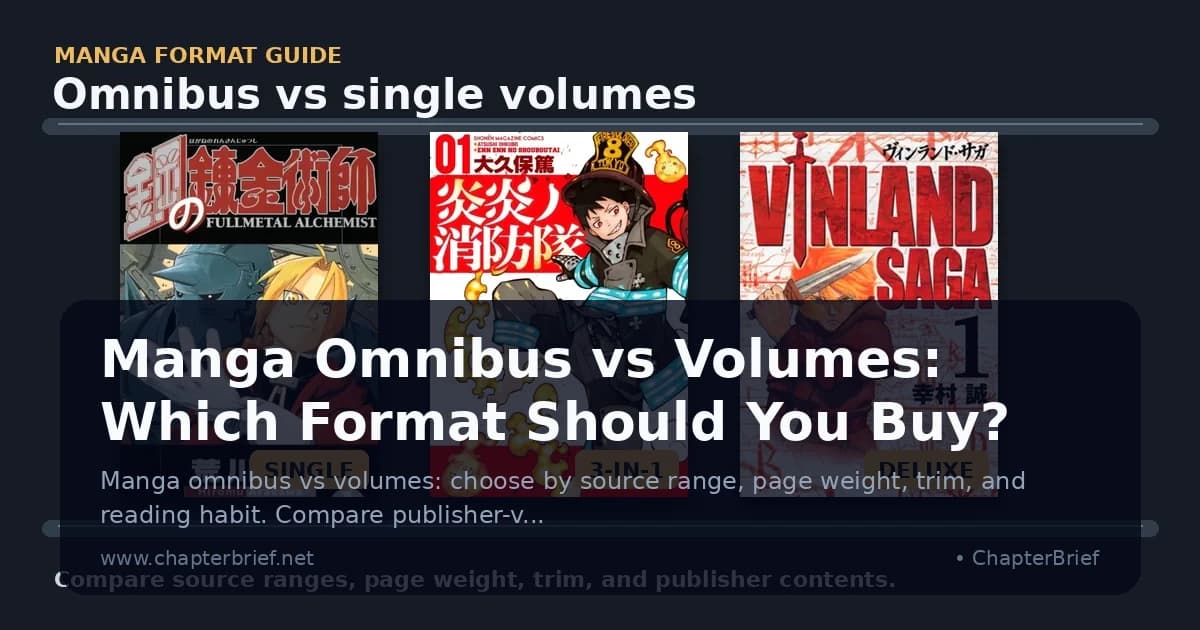
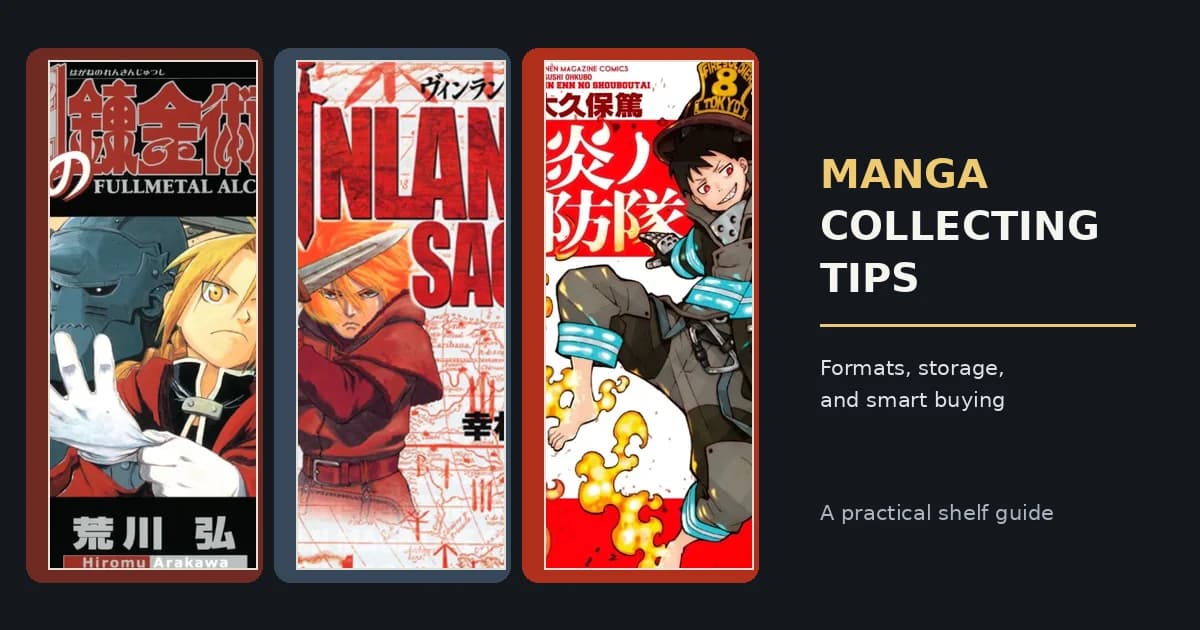
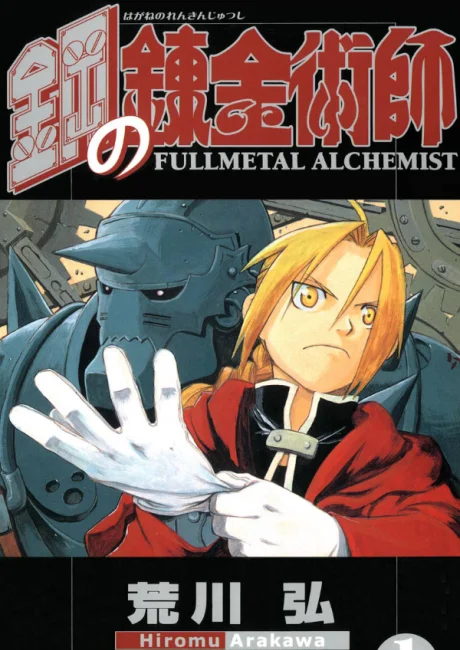
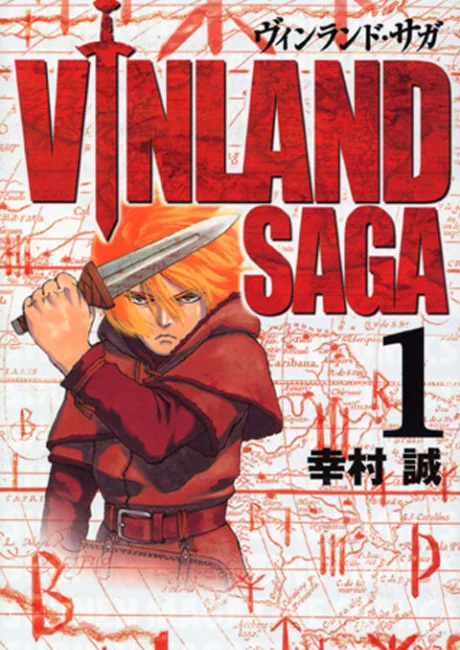
This guide uses three live publisher examples to make those decisions concrete. VIZ lists the Fullmetal Alchemist Complete Box Set as volumes 1 through 27 with a novel and poster. Kodansha's Vinland Saga Deluxe says each deluxe book includes volumes 1 through 3 of the Japanese edition plus new bonus content. Its Fire Force Omnibus page describes a 3-in-1 edition containing volumes 1 through 3.
Those are edition facts, not rules for every series. Treat the product page as the authority for the specific edition in front of you, and check it again when a new volume or reprint appears.

Key Takeaways
- Choose the purpose of the shelf before choosing a format.
- Read or sample a series before committing to a long physical run.
- A tankobon, omnibus, box set, and deluxe edition solve different problems.
- Compare the publisher's contents, volume range, format, and page information before buying.
- Record owned volumes and gaps so duplicate purchases do not become your collecting system.
- Use official publishers and authorized retailers only. This guide does not link scans, piracy, bootlegs, or unverified sellers.
- Store manga upright on stable shelves away from direct light, moisture, heat, and rapid environmental changes.
- A complete run is satisfying, but it is not the only legitimate shape for a collection.
Manga collecting tips: what should you buy first?
Start with one series and one physical goal. Buy a standard volume first when you are testing whether you like the story or the publisher's edition. Choose a box set when you already want a defined run. Choose a deluxe edition when the larger physical format, binding, or bonus content is part of why you want to own it.
The first purchase should answer a question, not create five new ones. “Do I want to reread this?” points toward a standard volume. “Can I finish this story on my shelf?” points toward a completed run. “Do I want the best physical version?” points toward a publisher's deluxe page. Those are different buying decisions even when they involve the same series.
Fullmetal Alchemist is a useful example because the live records describe different units. AniList lists the Japanese manga as finished, 116 chapters, and not flagged as adult. VIZ's box-set page describes the English paperback set as volumes 1 through 27, with a novel and poster. AniList chapters and English print volumes are not interchangeable counts, so a collector should record both labels rather than “correct” one with the other.
Vinland Saga gives the opposite lesson. AniList lists it as Japanese, finished, 224 chapters, and not flagged as adult, while Kodansha documents a deluxe line. The choice is not about whether the story is valid in one format. It is about whether you want a standard-sized reading object or a larger edition that changes the shelf footprint.
Manga collecting tips: tankobon vs omnibus vs box set vs deluxe
Choose the format that matches your shelf goal. A tankobon limits each purchase, an omnibus reduces spine count, a box set groups a defined run, and a deluxe edition changes the object's size, binding, paper, or extras. Check the publisher's edition page before deciding that any format is the best fit.
Tankobon: the flexible starting unit
Tankobon is the standard collected-volume idea most new collectors encounter. It is easy to sample, easy to replace one volume at a time, and usually the least disruptive format when you are still deciding whether a series belongs on the shelf. The trade-off is a larger number of books for a long run and more opportunities for a gap between volumes.
Use tankobon when you want to pace purchases with reading, follow new releases, or keep a consistent standard-size shelf. If a series has several English editions, record the publisher and format before ordering. “Volume 4” is not enough when a title also has omnibus or deluxe lines.
Omnibus: fewer books, heavier units
An omnibus combines multiple original volumes in one physical book. Kodansha's live Fire Force Omnibus page calls its first release a 3-in-1 edition and says it includes volumes 1 through 3. That is the useful fact to verify: the source-volume range, not just the word omnibus on a retailer card.
Omnibus editions make sense when shelf space matters or you prefer fewer purchase units. They are less convenient if you want to lend or reread one short source volume at a time. Check page count and trim information when the publisher provides it because larger page blocks can be heavier in the hand.
Box sets: a defined run in one package
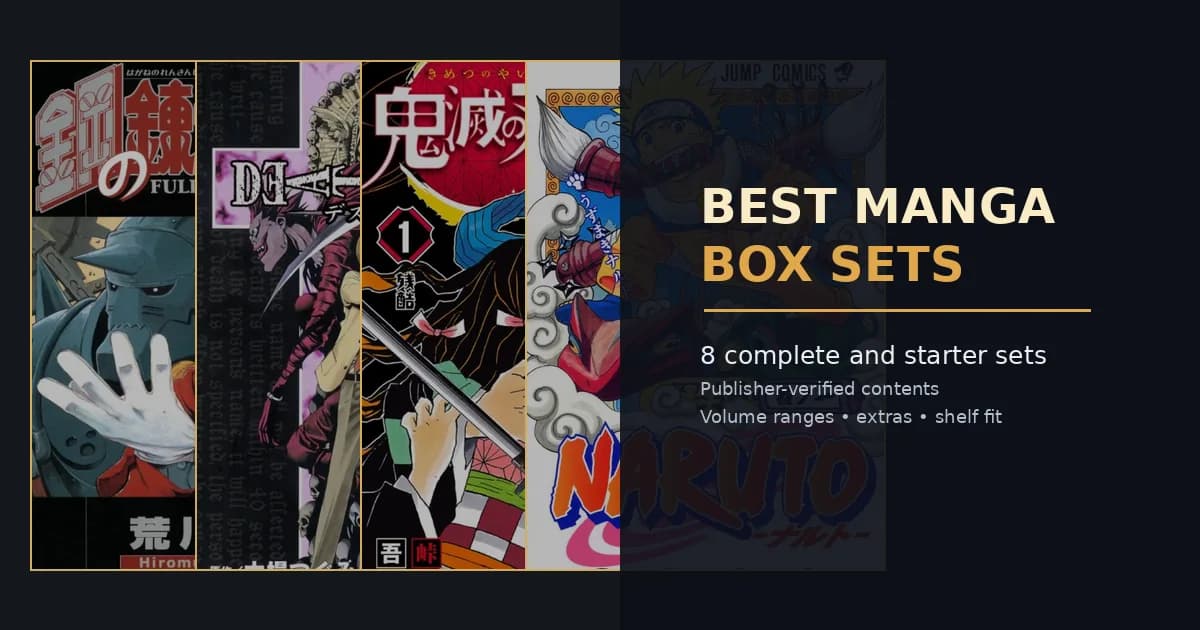
A box set is a packaging decision as much as a reading decision. VIZ's Fullmetal Alchemist Complete Box Set explicitly includes volumes 1 through 27, the novel The Ties That Bind, and a full-color poster. That is different from buying 27 loose paperbacks, even though the main story volumes overlap.
Before buying any box set, verify what is actually inside. Check the volume range, whether side stories or novels are included, whether the box is complete or only an arc, and whether the publisher describes extras. A box set that stops halfway through a long series is not a problem, but it should not be mistaken for a complete collection.
Deluxe and collector editions: the physical object is part of the appeal
Deluxe lines are for collectors who care about the edition itself. Kodansha's Vinland Saga Deluxe page says the line uses premium hardcovers, includes volumes 1 through 3 of the Japanese edition in each book, and adds new bonus content. The page also lists the available deluxe volumes, which gives a collector a concrete way to plan shelf space.
Deluxe does not mean “best for everyone.” Larger books can be harder to hold, replace, or fit beside standard paperbacks. Choose the line whose physical trade-offs match how you read. If you mainly want the story, standard volumes may fit better; if the art and binding are part of the appeal, the larger edition may earn its space.
Step-by-Step: build your first manga shelf
Use this eight-step sequence before placing a large order. It keeps collecting reversible while you learn your preferences, compare the publisher's edition system, and decide whether the first batch earns more shelf space. The goal is a repeatable process, not a race to fill every gap.
- Set the shelf goal: Decide whether you are building a complete run, a reread shelf, an artist-focused archive, or a small display of special editions.
- Sample before committing: Read an official preview, borrow a copy, or try the digital release when available. Do not buy a long run because one cover or adaptation trailer looked good.
- Check the series record: Use AniList to confirm the Japanese origin and release status for a named series. Do not turn an ongoing status into “complete” because a retailer happens to show several volumes.
- Check the edition page: Open the publisher's own listing and record the format, included source volumes, page information, publisher, and any stated extras.
- Pick one format family: Start with tankobon, omnibus, box set, or deluxe. Mixing is allowed, but do it deliberately and record where the spine, trim, or volume numbering changes.
- Buy through an official route: Start at VIZ, Kodansha USA, Yen Press, Seven Seas, Square Enix Manga, Dark Horse, Vertical, TOKYOPOP, Ize Press, Tappytoon Comics, or a listed authorized retailer.
- Log every purchase: Keep a simple list with series, edition, source-volume range, owned number, and date acquired. This prevents duplicate volumes and makes gaps visible.
- Pause after the first batch: Read what you bought before expanding. A smaller shelf of books you return to is more useful than a complete-looking row you never open.
Tips: budget without turning manga into a race
The safest manga collecting tips do not require a price target. Set a spending or volume limit from your current income, write down the live list price before you buy, and remember that prices move. A budget works when it protects future reading choices, not when it helps you win a race against another collector.
Use a waiting list for series you want but do not need immediately. Separate “I want to read this” from “I want this specific edition.” Borrow or read digitally before buying when it is the first; verify the publisher's contents when it is the second. Do not use second-hand market listings as proof that a book is rare or valuable.
Track gaps before shopping. A phone note with owned volumes is enough. Add the edition name because a standard volume, omnibus, and deluxe book may all use similar numbering while containing different source material. When the list is clear, you can check an official publisher or authorized retailer without letting an algorithm choose the next purchase for you.
Avoid completion pressure. Long-running series can turn a hobby into a monthly obligation, while short completed stories can give a shelf a satisfying endpoint quickly. There is no collecting rule that requires every popular series, every variant cover, or every format. A collection is allowed to be selective.
Tips: store and handle manga like books, not merchandise
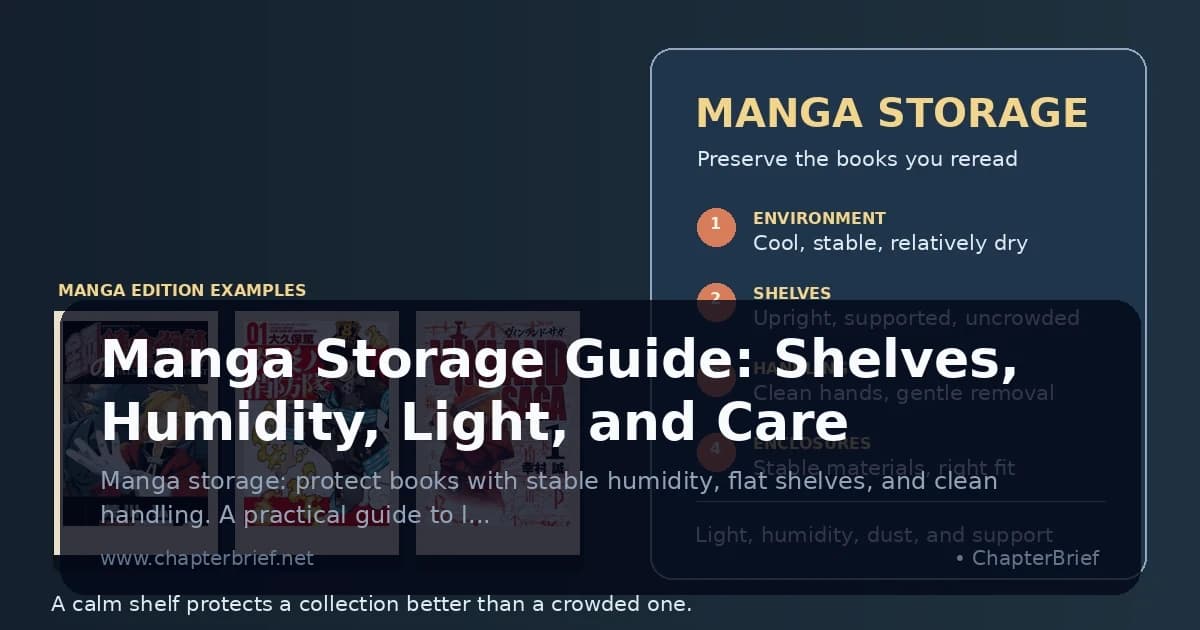
Good manga storage is book preservation. The Library of Congress recommends a cool, stable environment, relative humidity around 30 to 55 percent for most books, minimal direct or intense light, and flat shelves free of protrusions. Keep most books upright with support, and store oversized books flat when they cannot stand safely.
Keep shelves away from windows, radiators, vents, plumbing, and places that swing between damp and dry. Do not use an attic, garage, or basement as a default storage room for a collection you want to keep. Dust the shelf with a clean, dry method and keep food and drinks away from the books. These are low-cost habits, and they matter more than decorative accessories.
Bookends should stop a row from leaning without squeezing it tightly. Similar-sized books support one another better than a tall hardcover pressing against small paperbacks. Remove a book by holding the middle of the spine area rather than yanking the top edge. If a book is already fragile, give it full support and avoid forcing it flat.
Plastic sleeves are not a universal solution. If you use an enclosure, choose stable archival materials and leave enough room for the book rather than sealing moisture against it. For ordinary home collections, stable room conditions and careful shelving solve more problems than wrapping every volume.
Analysis: how to buy manga without collecting the wrong edition
To avoid collecting the wrong edition, define what each physical unit contains before you buy. A standard volume, a 3-in-1 omnibus, a box set, and a deluxe hardcover can share a story while serving different purposes. The shelf becomes confusing when no one records the edition boundary or the source-volume range.
Treat publisher pages as a chain of evidence. AniList is useful for confirming a series identity, Japanese origin, literal status, and a source chapter field. The publisher page answers a different question: what the English edition contains and how it is packaged. For Fullmetal Alchemist, the source record has 116 chapters while VIZ describes 27 English print volumes in the complete box set. For Fire Force, AniList lists 305 chapters while Kodansha describes a 3-in-1 omnibus containing source volumes 1 through 3. Those numbers are not competing answers.
This distinction also explains why online collection advice can age badly. A retailer may show one available volume, a publisher may list a different edition, and an older guide may treat a box set as complete even after the source series continues. Record the page you checked and the date. For this guide, publisher and AniList checks were performed on September 25, 2026; prices and availability can change after publication.
Manga collecting and the site's manhwa physical guides
Advertisement
Manga and manhwa can sit on the same shelf, but the buying research is different. This hub covers Japanese-origin manga and English print editions. The existing Where to Buy Manhwa Physical Volumes in the US page handles Korean webtoon and manhwa buying routes, while Yen Press Manhwa Physical Releases 2026 follows one publisher's manhwa print pipeline.
Use those pages when the series is Korean or when the question is specifically about physical manhwa releases. Use this hub when you are deciding between a manga tankobon, omnibus, box set, or deluxe edition. The formats overlap in vocabulary, but the publisher catalogs and release schedules do not. Keeping the split explicit prevents a collector from assuming that a WEBTOON edition, a Japanese tankobon, and an English omnibus can be compared by volume number alone.
If the label itself is confusing, read Manga vs Manhwa vs Manhua explained before choosing a physical format. It separates origin, reading direction, platform, and edition instead of treating every Asian comic as the same product.
Frequently Asked Questions
How do I start collecting manga? Start with one clear goal: a series you will reread, a complete story, or a particular physical edition. Read enough of the series to know you want it, check the publisher's current format page, buy a small first batch, and record what you own before expanding.
What is the difference between tankobon and an omnibus manga? A tankobon is a standard collected manga volume, usually bought one book at a time. An omnibus combines multiple original volumes into one larger book. The exact contents vary, so confirm the volume range and page count on the publisher's edition page before mixing formats.
Are manga box sets worth collecting? A box set is useful when it covers a story or defined run you already want and includes contents you value, such as a poster or booklet. It is less useful when you are buying a long series before reading it or when later volumes are not included.
What makes a deluxe manga edition different? Deluxe editions usually change the physical experience through a larger trim, heavier binding, premium materials, bonus content, or several source volumes in one book. They take more shelf space and should be compared with the standard edition for size, contents, and handling before you commit.
How should I store a manga collection? Keep manga in a cool, stable, relatively dry room away from direct light, water, heaters, and vents. Store most books upright with support and group similar sizes together. Large or fragile books may need flat, fully supported storage rather than a leaning shelf.
How can I avoid counterfeit or bootleg manga? Start from the publisher's page or an authorized retailer, then match the edition title, publisher, format, and visible product details. Avoid scanlation, piracy, and suspicious bootleg listings. If a listing cannot be tied to an official publisher or authorized shop, leave it out of the collection.
Is collecting manga different from collecting manhwa? Yes. This hub is about Japanese manga and its English print editions. The site already has separate guides for buying physical manhwa, including publisher-focused Yen Press coverage. The reading medium overlaps, but the publishers, release formats, and buying routes are not interchangeable.
Do I need to collect every volume of a manga series? No. A collection can preserve a complete story, a favorite arc, an artist's work, or a physical edition you genuinely want. Decide what the shelf is meant to do before treating an incomplete run as a problem. Completion is one collecting goal, not the definition of a good collection.
Related Reading
- Where to Buy Manhwa Physical Volumes in the US: the Korean manhwa counterpart to this manga-focused hub.
- Yen Press Manhwa Physical Releases 2026: publisher-specific manhwa print coverage.
- Best Manhwa Physical Volumes to Collect: ranked shelf picks with AniList status and publisher edition checks.
- Manga vs Manhwa vs Manhua explained: terminology and format differences before you buy.
- How to Spot Bootleg Manga: 7 Checks Before Buying Online: a verification checklist for publisher records, ISBNs, copyright pages, and physical copies.
- Best Manga Box Sets: 8 Complete Runs and Starter Sets: publisher-verified volume boundaries and extras for complete and partial collections.
References
Live entity checks
- Fullmetal Alchemist on AniList: Japanese, finished, 116 chapters, not flagged as adult.
- Fire Force on AniList: Japanese, finished, 305 chapters, not flagged as adult.
- Vinland Saga on AniList: Japanese, finished, 224 chapters, not flagged as adult.
Publisher and preservation checks
- Fullmetal Alchemist Complete Box Set, VIZ: volumes 1 through 27 plus the stated extras.
- Fire Force Omnibus, Kodansha USA: 3-in-1 edition containing volumes 1 through 3.
- Vinland Saga Deluxe, Kodansha USA: deluxe line contents and available-volume information.
- Library of Congress: Storing Your Books: light, humidity, shelving, handling, and storage guidance.
- VIZ official manga catalog: publisher and authorized-retailer routes for English manga editions.