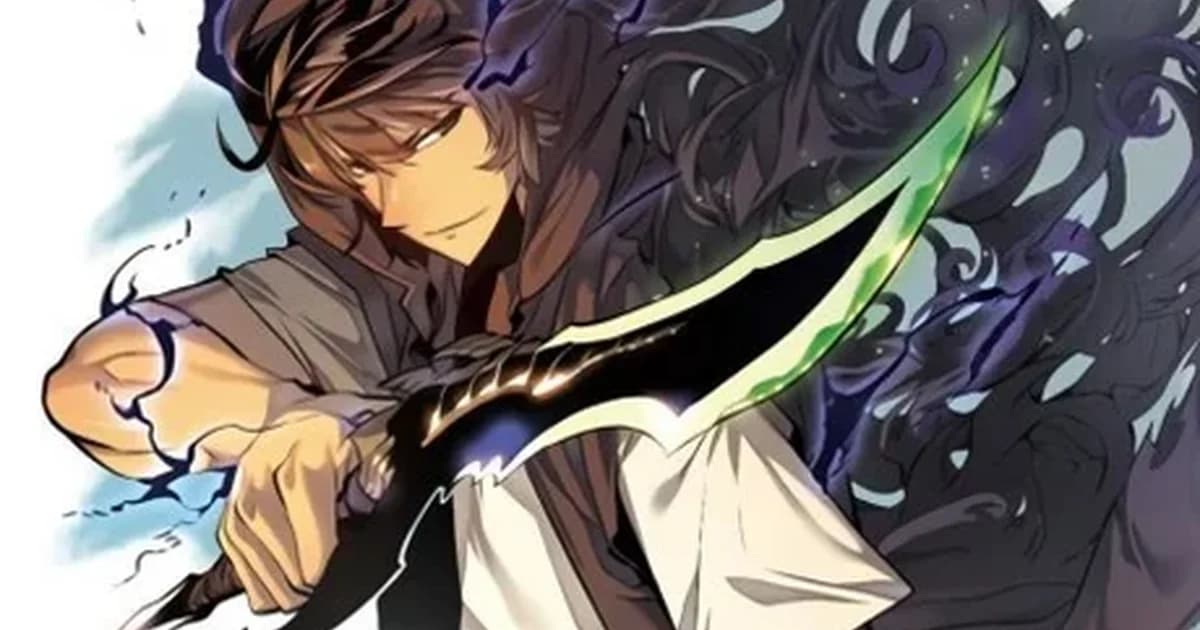
This Solo Leveling power system explained page skips the plot recap. Every "ranks explained" video repeats the same three facts (E through S, Jin-Woo has a system, dungeons are dangerous) without touching the part that actually makes the story work: why Jin-Woo gets a stat window and nobody else does, what Ruler's Authority is foreshadowing, and how the Rulers-versus-Monarchs war sits underneath a rank system that looks, for the first hundred chapters, like the whole plot.
TL;DR: Solo Leveling power system explained: hunter rank runs E through S plus an unofficial National Level tier, assigned once at Awakening and locked for life, except for Jin-Woo. He alone is chosen as the Player of a hidden System with no level cap and the only visible stat window in the story. Ruler's Authority is the first on-page clue to why. The Rulers and Monarchs, two factions built by the same creator and locked in an older war, are the structure the whole rank system sits inside.
This isn't a recap. For the arc-by-arc chapter breakdown, see the Solo Leveling reading guide. For who's who among the Shadow Army, the National Level Hunters, and the Monarchs by name, the Solo Leveling character guide has the full roster. This page is just the mechanics underneath both of those: how the ranks work, why the System belongs to Jin-Woo alone, and what actually separates a Ruler from a Monarch.
Key Takeaways
- Hunter rank runs E (weakest) through S (strongest), plus an unofficial National Level tier for the handful of hunters who outclass every S-rank alive.
- Rank gets assigned once at Awakening through Hunter Association testing and never changes again, for anyone except Jin-Woo.
- Jin-Woo alone is selected as the Player of a hidden System that lets him gain experience and level up with no ceiling.
- No other hunter in the story has a visible stat window. Everyone else is ranked from the outside; Jin-Woo is the only one reading his own numbers.
- Ruler's Authority, tied to Jin-Woo's early fight with Igris, is the first on-page evidence that something about him doesn't fit the rank system at all.
- Rulers and Monarchs are two opposing factions created by the same source (the Absolute Being), locked in a war that predates the hunter system entirely.
Solo Leveling power system explained: overview
Solo Leveling's power system runs on two layers that rarely get separated cleanly in casual explainers: the world's hunter rank system, which every named character in the story operates inside, and Jin-Woo's own System, which nobody else has access to at all.
The setup: portals called gates connect Earth to dungeons full of monsters. People who can enter those dungeons and fight what's inside are Hunters, and the Korean Hunter Association, along with equivalent bodies in other countries, tests and ranks them. That's the world Jin-Woo starts in, registered as the weakest E-rank hunter in Korea, taking low-paying jobs to cover his mother's hospital bills.
What breaks the pattern is the double dungeon incident in the opening chapters. Jin-Woo should die there. Instead, he's given a choice by an interface nobody else in the story can see, and accepting it makes him the sole Player of a System that behaves like the leveling mechanic in a video game: experience points, stat increases, skill unlocks, a level counter with no visible ceiling.
Everything below breaks that into three pieces: how the rank system that governs everyone else actually works, why Jin-Woo's System is structurally different from a rank rather than just a stronger version of one, and what the Rulers and Monarchs turn out to be once the story reveals that the System was never really about leveling up at all.
Solo Leveling power system explained: hunter ranks from E to National Level
Advertisement
Hunter rank in Solo Leveling runs six letters: E, D, C, B, A, S, weakest to strongest. It's assigned once, at Awakening, through Hunter Association testing that measures mana output alongside a physical and combat evaluation. Pass the test, get a rank, and that rank is what shows up on a Hunter license for the rest of a career. There's no re-test built into the system the way there would be in a game with a visible XP bar. A C-rank hunter who trains for five years and genuinely gets stronger doesn't automatically get reclassified; rank and raw ability can drift apart, which is part of why guild leadership spends so much time managing who actually goes on which raid.
E-rank is the bottom of the scale and where Jin-Woo starts, a designation the story treats as barely qualifying him to enter the lowest-difficulty gates at all. S-rank is the top of the officially recognized scale, and Korea has a handful of them running its major guilds.
Above even S-rank sits a tier the Hunter Association doesn't officially name but the story and its readers do: National Level Hunter. It isn't a rank anyone tests into. It's a description for the small number of S-ranks worldwide, something like five at the point the story introduces the term, who are meaningfully stronger than every other S-rank alive, closer to a one-person army than a dungeon specialist. Liu Zhigang, called the Hero of China, and Thomas Andre, the American Guild Master nicknamed the Goliath, are the two the manhwa spends the most page time on, both introduced once the plot expands past Korea into the Jeju Island incident's international fallout.
The part that matters for understanding Jin-Woo specifically: every rank in this section describes hunters as they're measured from the outside, by an association administering a test. Nobody in this part of the cast has an internal readout telling them their own numbers. That's the next section, and it's where Solo Leveling stops being a story about a rank system at all.
If you're curious how the ranking and System mechanics translate outside the manhwa, ShonenTCG's Union Arena Solo Leveling guide covers the card game's take on Jin-Woo's archetype.
Hunter-rank systems aren't unique to this series, and some manhwa build entire plots around gaming the ranking bureaucracy itself.
Best Hunter Manhwa →
Why Jin-Woo is the only hunter with a System
Every hunter rank in the previous section gets assigned externally. Jin-Woo's System is the opposite: an interface only he can see, running independently of anything the Hunter Association tests for.
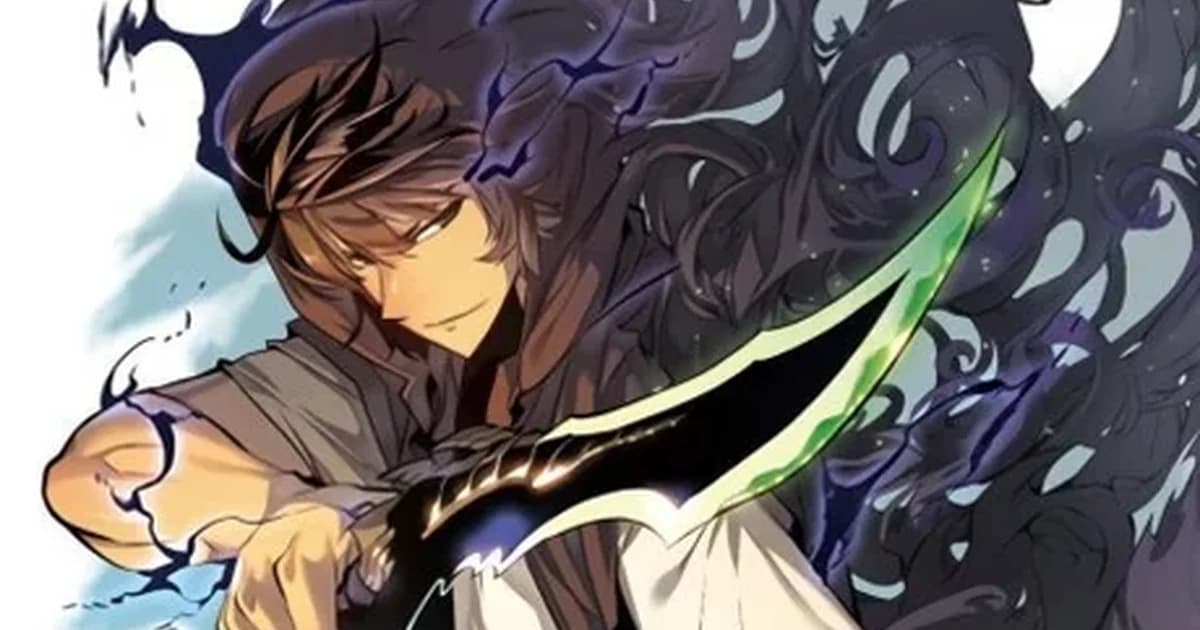
After the double dungeon should have killed him, Jin-Woo is offered, and accepts, a role the story calls Player. From that point, he has access to a stat window: Strength, Agility, Intelligence, Vitality, Perception, and a Level counter, laid out like the character sheet in an RPG. Clearing quests and killing monsters grants experience points. Enough experience points levels him up, and leveling up raises his stats directly, the same feedback loop a video game runs on. Nobody assigns this to him. Nobody administers a test for it. It's a selection, and for most of the story, the reason for the selection isn't explained at all.
Here's the detail that's easy to undersell if you've read a lot of manhwa that came after Solo Leveling and copied its surface: no other character in the story has anything like this. Every other hunter, from E-rank rookies to National Level Hunters like Thomas Andre, is ranked entirely from the outside. There's no equivalent stat screen for Cha Hae-In. There's no equivalent stat screen for the S-rank guild masters running Korea's biggest operations. Jin-Woo's window isn't a stronger version of what everyone else has; it's a category that doesn't exist for anyone else in the cast.
That's a bigger design choice than it looks. Most manhwa in the genre Solo Leveling popularized, often called system fantasy, hand out some version of a visible status screen to multiple characters once the world-building expands: rival protagonists, other awakened players, whole nations running on game logic. Solo Leveling doesn't. The System stays a Jin-Woo-only mechanic for the entire 179-chapter run, so the reader's attention stays locked on one set of numbers instead of splitting across a cast of players. And it's the detail the Monarch reveal eventually pays off: the System was never a game mechanic that happened to land on him. It's a selection process, and the rest of the story is about what he was selected for.
Step-by-Step
The power system doesn't get explained all at once. It unfolds in a specific order, and knowing that order in advance changes how the early chapters read.
- Awakening and rank assignment. Every hunter gets tested once and assigned a letter rank. This happens off-page for most named characters, but it's the baseline the whole system runs on: external testing, external number, permanent result.
- Jin-Woo's rank and his actual power start to diverge. Registered as E-rank, Jin-Woo is quietly clearing C-rank dungeons alone within his first stretch of chapters, hiding the gap from the Association rather than reporting it. This is the first sign that his System doesn't map onto the rank chart at all.
- Ruler's Authority shows up, unexplained. Fighting the Shadow Knight Igris early in the story, Jin-Woo picks up a telekinetic ability the series doesn't define yet. It's the first hard textual evidence that something bigger than "he got a good System" is going on, and the story sits on that evidence for a long stretch before paying it off.
- The rank system stops being a useful measure of him. By the time the story's biggest early set piece, the Jeju Island incident, resolves, Jin-Woo is operating at a level the Hunter Association's own S-rank classification can't describe. This is the point where readers usually start asking what he actually is, rather than how strong he is.
- The Monarch reveal changes what all of it meant. The System was never a rank. It's a selection process tied to the Rulers-versus-Monarchs war, and Jin-Woo's specific role in that war, successor to a previous Shadow Monarch, is the actual explanation for every stat window, every skill, and Ruler's Authority specifically.
Read in this order, rather than jumping straight to Monarch lore, Ruler's Authority lands as foreshadowing instead of just another skill name.
Rulers vs Monarchs: the war behind every rank
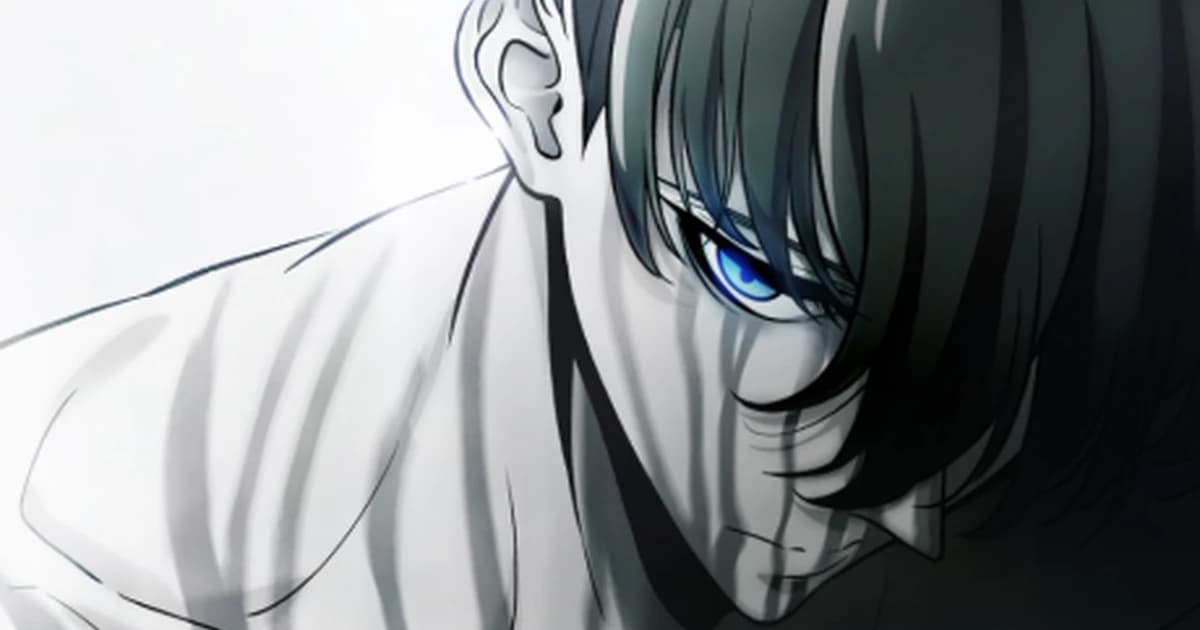
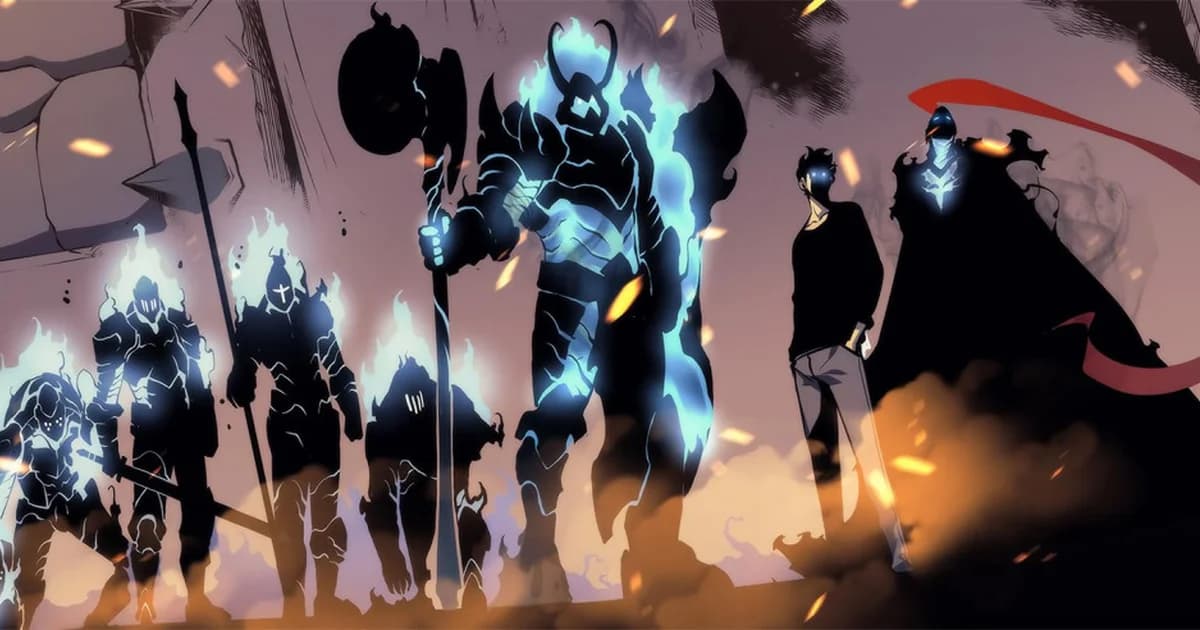
Everything above (ranks, the System, Ruler's Authority) sits inside a much older conflict that the story doesn't reveal until roughly the back half of its run: a war between two factions called Rulers and Monarchs, both created by the same source, a being the story calls the Absolute Being.
The two sides work in opposite ways. Rulers are made of light and act through willing human hosts, more partnership than possession. A person carrying a Ruler's authority keeps their own consciousness and their own will; the power is lent, not forced. Monarchs are made of darkness and do the opposite: they take direct control of vessels and command armies of their own rather than working through a human partner who consents to it. It's the same basic setup, a higher power acting through the world, split into two philosophies of how much autonomy the host gets to keep.
That framing changes what Jin-Woo's Ruler's Authority skill actually is. He isn't just a hunter who happened to learn a rare technique. He's carrying something that belongs to the Rulers' side of a war that predates the entire Hunter Association rank system this article started with.
The Monarch most directly tied to Jin-Woo's own power is Ashborn, the previous Shadow Monarch, sometimes called the King of the Dead, whose authority and shadow-extraction ability Jin-Woo eventually inherits. Once that inheritance lands, the System stops looking like a video-game leveling mechanic and starts looking like succession: Jin-Woo isn't just getting stronger, he's becoming the thing Ashborn used to be. Antares, the Monarch of Destruction, is the strongest of the Monarchs invading Earth and the story's final major antagonist, the fight that everything else (the rank climbing, the Shadow Army, the alliances with National Level Hunters) was ultimately building toward surviving.
For the full cast of named Shadows, the rest of the Monarchs, and where each one fits into the story's timeline, the Solo Leveling character guide has the complete roster, checked against AniList's character data.
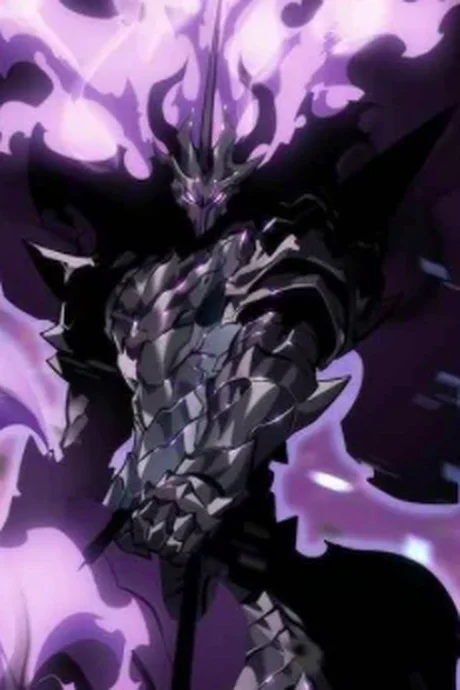 Ashborn, the King of the Dead and former Shadow Monarch whose authority Jin-Woo eventually inherits.
Tips for reading without getting lost
Advertisement
A few things that make the power system easier to track while actually reading, on WEBTOON or wherever you're following along.
Don't expect the rank system to predict outcomes past the first arc. It's accurate early, when Jin-Woo is genuinely weak and the Hunter Association's testing lines up with the cast's real power. Once his System starts compounding, rank stops being predictive for him, and the story is upfront about that rather than pretending otherwise.
Pay more attention to skill names than to stat numbers. The window itself is less interesting to follow than what's attached to it, and Ruler's Authority is the clearest case: the name means nothing on a first read and everything in retrospect. I skimmed right past it my first time through and only caught what it meant on a reread, which is a little embarrassing to admit for a guide about catching exactly this kind of detail.
It's also a common misread to assume every strong hunter has a System just because Jin-Woo does, especially for readers coming in from newer system-fantasy manhwa where several characters get status screens. In this story the stat window belongs to Jin-Woo alone for the entire run. If a scene seems to imply another character is reading their own numbers the way he does, that's worth flagging as a translation slip, not a plot detail.
Read the Rulers-versus-Monarchs section above before the Monarch reveal chapters, if patience allows. Knowing the shape of the conflict in advance turns the early unexplained skills, Ruler's Authority chief among them, into planted clues instead of random power-ups. That's the intended effect, and it lands better going in with the context than catching it after the fact.
Most manhwa that copied Solo Leveling's system mechanic gave the whole cast a status screen instead of locking it to one character. Here's where it ranks against the field.
Best System Fantasy Manhwa →
For the verdict on whether the full story wrapped around all of this mechanic is worth the 200-chapter read, the Solo Leveling review covers the art, the pacing, and where it falls short.
Related Reading
- Solo Leveling Reading Guide: Arc-by-arc chapter breakdown, from the E-rank tutorial through the Monarch arc.
- Solo Leveling Review: The verdict on the completed 200-chapter run, the art, the pacing, and where it falls short.
- Solo Leveling Character Guide: Every Hunter, Shadow, and Monarch, ranked and sourced against AniList.
- Best System Fantasy Manhwa: Where Solo Leveling's single-protagonist System sits against the rest of the genre.
- Best Hunter Manhwa: More series built around rank-and-gate hunter systems.
Frequently Asked Questions
How do hunter ranks work in Solo Leveling?
Every hunter is tested once, at Awakening, by the Hunter Association: mana output plus a physical and combat evaluation that assigns a letter rank from E (weakest) to S (strongest). That rank is permanent. A handful of S-ranks worldwide, roughly five at the point the story introduces the concept, get an unofficial tier above S called National Level Hunter. Nobody re-tests up through the ranks over time; the test happens once and the result sticks, which is exactly what makes Jin-Woo's case break the rule.
Why is Sung Jin-Woo the only hunter with a System?
The story never gives a mechanical explanation before the Monarch reveal; it's presented as a selection, not something Jin-Woo earns through effort like everyone else. He's chosen as Player of a hidden interface that grants experience points and stat increases with no cap, while every other hunter in the world is stuck at whatever rank the Hunter Association assigned at Awakening. The reveal of why he was chosen doesn't land until the Monarchs enter the story, and it recontextualizes the entire premise.
Can any other hunter see a stat window like Jin-Woo's?
No. That's the detail most system-fantasy manhwa skip: everyone else in Solo Leveling is ranked purely by external Hunter Association testing, with no in-world interface of their own. Jin-Woo's stat window (Strength, Agility, Intelligence, Vitality, Perception, plus Level) is unique to him. It's the single biggest structural difference between Solo Leveling and the wave of system-fantasy manhwa it influenced, most of which give multiple characters some version of a visible status screen.
What is Ruler's Authority, and why does it matter?
Ruler's Authority is a telekinetic ability Jin-Woo picks up out of his fight with the Shadow Knight Igris, long before the story explains what a Ruler even is. It sits in the story unexplained for a long stretch, which is the point: it's the first hard evidence, on the page, that Jin-Woo's system isn't just a leveling gimmick. It's tied to something bigger that the rank system doesn't account for.
What is the difference between a Ruler and a Monarch in Solo Leveling?
Both were created by the same source, a being the story calls the Absolute Being, but they work in opposite ways. Rulers are made of light and act through willing human hosts, more like partners than possessors; the host keeps their own mind and consent. Monarchs are made of darkness and take direct control of vessels and armies instead of asking. The two factions have been at war since before the hunter system existed, and the gates that structure the entire rank system are downstream of that older conflict.
Who is Ashborn in Solo Leveling's power system, and how is he connected to Jin-Woo?
Ashborn is the previous Shadow Monarch, sometimes called the King of the Dead, and he's the one Jin-Woo eventually inherits his authority from. Once that inheritance happens, Jin-Woo's System stops looking like a video-game leveling mechanic and starts looking like succession. For the rest of the named Shadow Army and the full Monarch cast, the Solo Leveling character guide has the complete breakdown.
Are National Level Hunters an official rank in Solo Leveling?
No. It isn't a rank the Hunter Association assigns; it's a term the story and its fandom use for the handful of S-ranks, worldwide, who are meaningfully stronger than every other S-rank hunter alive. Liu Zhigang, called the Hero of China, and Thomas Andre, the American Guild Master nicknamed the Goliath, are the two the manhwa spends the most time on. Even that tier stops being a useful way to measure Jin-Woo once he passes it, which happens well before the story ends.
References
- Solo Leveling on AniList: Character and media data used to verify names in this guide
- Solo Leveling on WEBTOON: Official English translation, full completed run
- Rulers, Solo Leveling Wiki: Community-maintained reference for Ruler and Monarch terminology
- Solo Leveling (Wikipedia): General series background and publication history