Loading…
ChapterBrief · Guides
The God of High School Character Guide: Full Roster
The God of High School character guide: Jin Mori, Han Daewi, and Yoo Mira, AniList-verified, plus the allies and rivals across 569 completed chapters.
13 min readBy Ethan Mercer
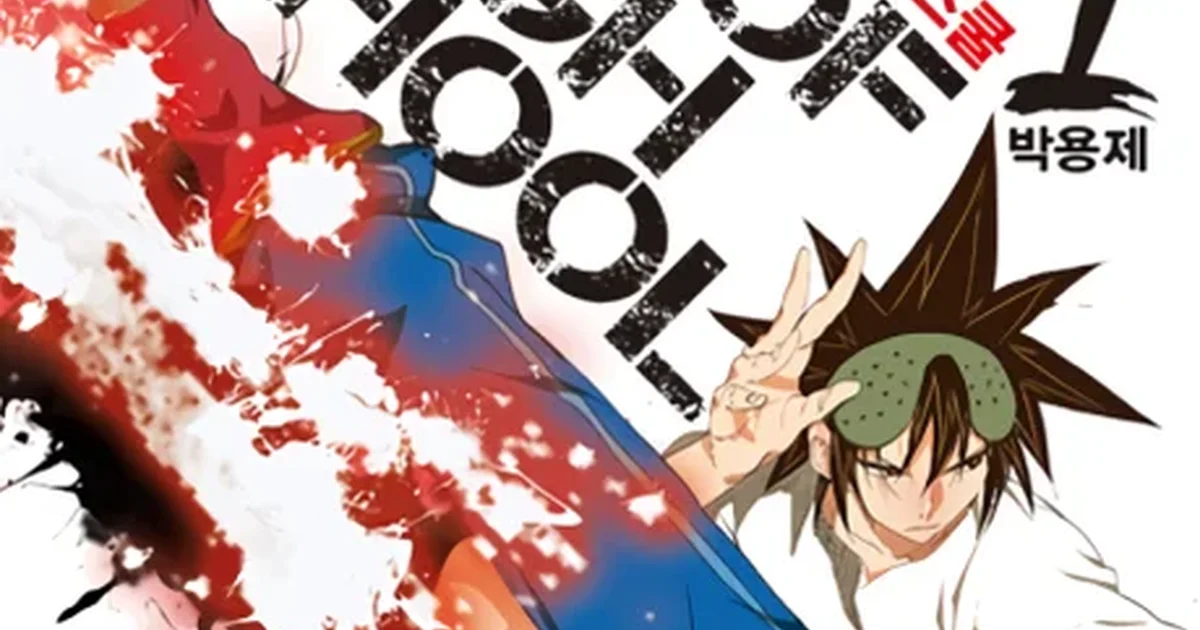
Reviewing
The God of High School
TL;DR: The God of High School character guide, checked against AniList and Wikipedia rather than a fan wiki. Jin Mori, Han Daewi, and Yoo Mira, the grandfather and ally who shape Mori's arc, the two named antagonists, and the Charyeok system tying them together.
Search "God of High School characters" and the results split into two bad options: a Fandom wiki with thousands of pages and no way to tell which are current, or aggregator lists that name the trio and stop. This site's God of High School review covers whether the 569-chapter manhwa earns its 8.5, and the God of High School reading guide covers where the anime ends and how the tournament arc gives way to the mythology arc. Neither one profiles the cast. This guide does, and every name in it is checked against AniList's character database and Wikipedia's sourced character summaries rather than copied from a wiki someone edited years ago.
Key Takeaways
- Jin Mori, Han Daewi, and Yoo Mira form the trio at the center of the story, each entering the GOH tournament for a different reason, per AniList's main-cast entries.
- Jin Taejin, Mori's adoptive grandfather, is the reason Mori enters the tournament at all: his disappearance is the story's opening motivation.
- Park Ilpyo is Mori's first major tournament ally, a regional champion whose Charyeok is Hojosa, the nine-tailed fox.
- Jegal Taek is the antagonist of the first two arcs. Park Mujin, who organizes the tournament, is the manhwa's antagonist overall.
- Charyeok (Borrowed Power) lets fighters draw on a god's, demon's, or mythical entity's strength. Jin Mori and Jin Taejin notably fight without it.
- 569 chapters, completed, free on WEBTOON. The 2020 MAPPA anime (13 episodes, Crunchyroll) only introduces the earliest arc's cast.
Overview
This isn't an attempt at a full God of High School cast list. A manhwa that ran for eleven years and 569 chapters has more named characters than any single source catalogs cleanly. Padding this guide with unverifiable names would defeat the point. What follows is a verified core instead: the trio, the grandfather whose absence sets the plot moving, the ally who joins them early, the two antagonists with enough sourced detail to get right, and the power system tying them all together.
Every name below is checked against AniList's character list for the manga entry (media ID 85141), Wikipedia's sourced character summaries, and how Crunchyroll's own dub materials render each name in English. Where sources disagree on name order or spelling, that gets flagged in the mix-ups section near the end. No quietly picking one and hoping nobody notices.
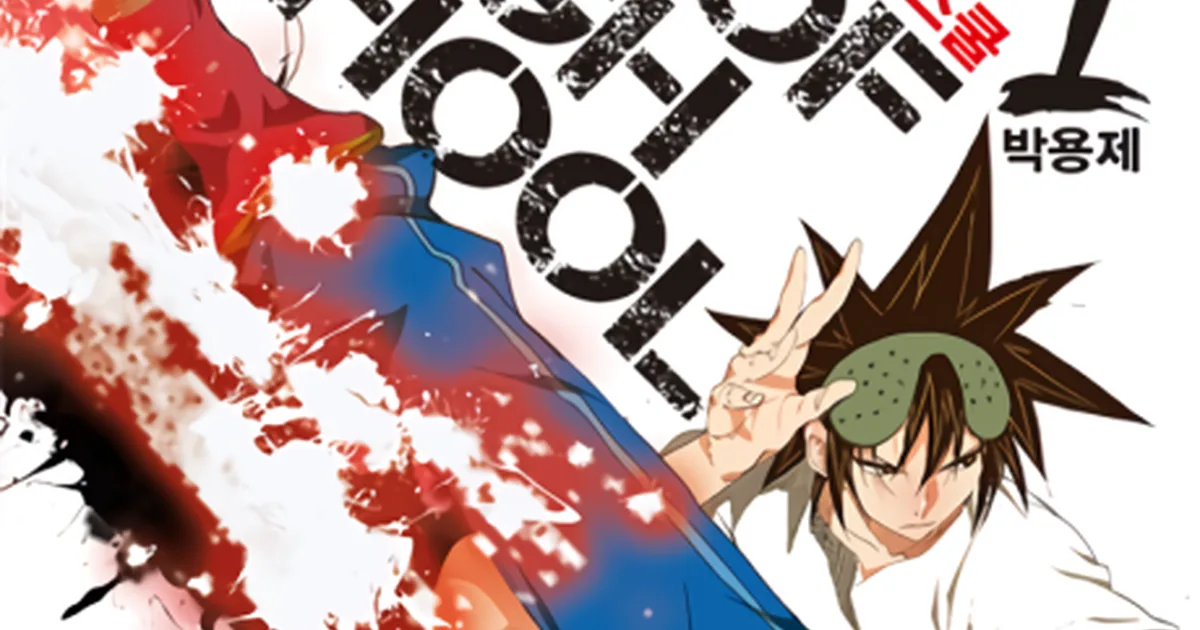
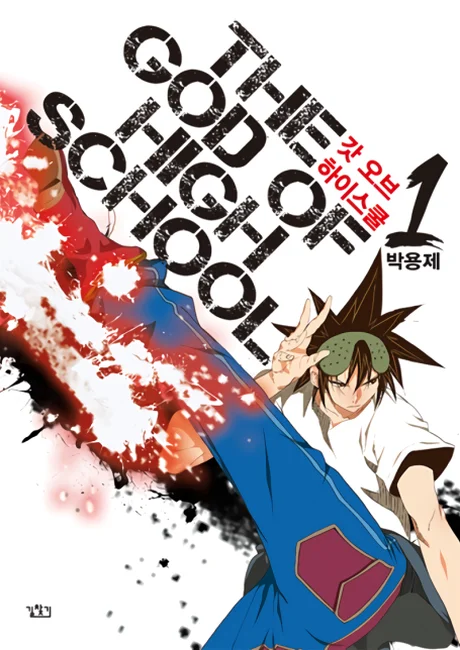 The God of High School by Park Yongje. Official cover art via AniList.
The God of High School Character Guide: The Protagonist Trio
Advertisement
Jin Mori is a 17-year-old from Seoul who practices Renewal Taekwondo, a style his grandfather invented. He's introduced as carefree, a little arrogant, and completely uncomplicated about why he fights: he wants opponents strong enough to matter. That reads like a tournament premise on paper. AniList's bio lists three techniques unique to him: Blue Dragon Kick, Twin Dragon Blue Kick, and Blue Dragon Tempest. All three are built on the taekwondo his grandfather taught him. It's that inherited style, not raw talent alone, that the early chapters lean on to explain why he keeps winning.
Han Daewi practices Kyokushin Karate, stands 180cm per AniList's bio, and enters the tournament to fund a close friend's cancer treatment. Wikipedia's plot summary adds a detail neither this site's review nor its reading guide mentions: that friend dies partway through the story. After that loss, Daewi's motivation shifts from the prize money itself to Mori and Mira directly. AniList's bio also notes he was part of a duo nicknamed "Mad Cows" before the story starts. That's where his fighting reputation comes from before the tournament ever introduces him.
Yoo Mira is a swordswoman and, per Wikipedia's character summary, already the 25th master of the Moonlight Sword Style when the story opens. That's a meaningful distinction from how she's sometimes summarized: she isn't searching for someone to teach her. She's searching for a husband capable of carrying the lineage forward, since the style dies with her otherwise. All three meet during the tournament's opening rounds, fight each other, then end up teamed together on the Korean squad once the preliminaries wrap. Everything the trio does across 569 chapters, even the divine-scale fights of the mythology arc, runs through bonds that started in those first matches.
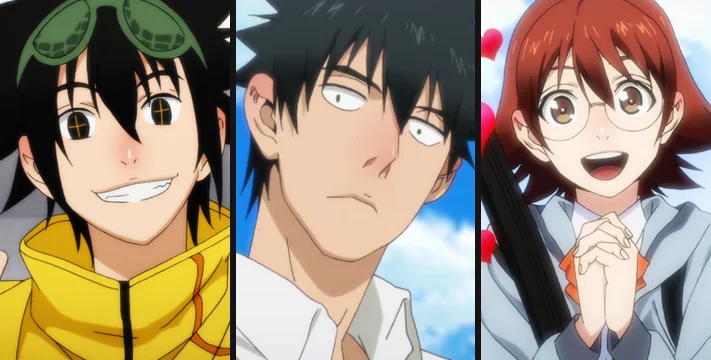 Left to right: Jin Mori, Han Daewi, and Yoo Mira. Official character portraits via AniList.
For six more manhwa with a similar trio-and-tournament setup, ranked for readers who finished GoHS and want the same energy: .
Manhwa Like The God of High School →
Jin Taejin and Park Ilpyo: the Grandfather and the First Ally
Jin Taejin is Jin Mori's adoptive grandfather. Per Wikipedia's sourced character summary, he's probably the strongest "Genuine Fighter" in the entire series: strong enough to defeat gods using martial skill alone, no Charyeok needed. He's also the creator and sole master of Renewal Taekwondo, the style he passed to Mori. His disappearance before the manhwa opens isn't background color. It's the specific reason Mori enters the GOH tournament, hoping the exposure will help him find where his grandfather went. The shared surname is not a coincidence: he and Mori are the only two Genuine Fighters on this list, and the only two named Jin.
Park Ilpyo is a regional tournament champion, one of the top fighters in the country, and a practitioner of Ssamsu-Taekkyon, a variant of traditional Korean taekkyon. Per Wikipedia's summary, he joins the GOH tournament to wish for his cousin's recovery. The cousin was crippled during an earlier match against Jegal Taek, which puts Ilpyo and Jegal on a collision course from the start. Ilpyo becomes an ally to Mori not long after. His Charyeok is Hojosa, the nine-tailed fox of East Asian folklore, one of the more visually distinct powers in the early chapters.
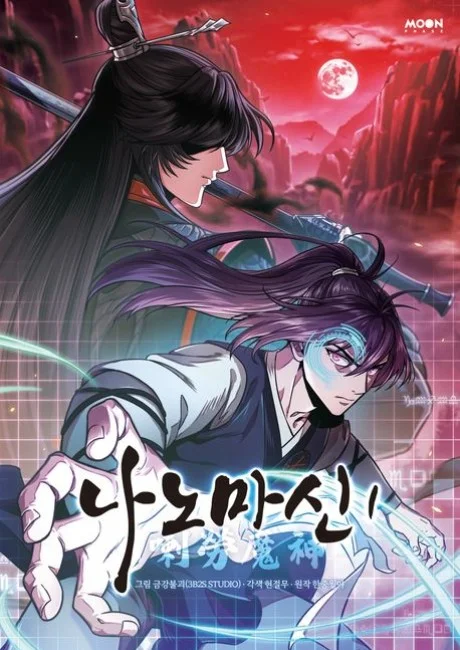 Nano Machine, another action manhwa built around a named protagonist and a system tied to his rise, shares readership with GoHS.
The God of High School Character Guide: Rivals and Antagonists
Jegal Taek is the antagonist of the story's first two arcs specifically, not the series overall. Wikipedia's summary describes a boy sold as an infant to become the heir of a company chairman. He's raised on a "might is right" philosophy that leaves him treating nearly everyone around him as disposable. His one exception is Ilpyo: his mortal enemy, and the only fighter to have beaten him before the tournament even begins. Jegal's Charyeok is named Greed for a reason. It lets him absorb other fighters' Borrowed Power directly, turning every match against him into a resource drain for his opponent.
Park Mujin is the manhwa's antagonist overall, per Wikipedia's character summary, not just a tournament-arc figure. He's a member of Korea's National Assembly and the person actually running the GOH tournament behind the scenes, using it as one piece of a larger plan. His Charyeok, Longinus, shows up as twin marks on his hands and gives him control over gravity plus a defensive shield. He also commands a group of powerful Charyeok users known as commissioners or executives. They're the ones actually responsible for recruiting tournament fighters and keeping the event running underneath him.
Jin Mori's tournament match against Jegal Taek was significant enough to draw a Best Fight Scene nomination at the 5th Crunchyroll Anime Awards, alongside his match against Han Daewi. For the broader list of manhwa built around structured tournament competition, where this rivalry sits against the format's other standouts: Best Manhwa Tournament Arcs →.
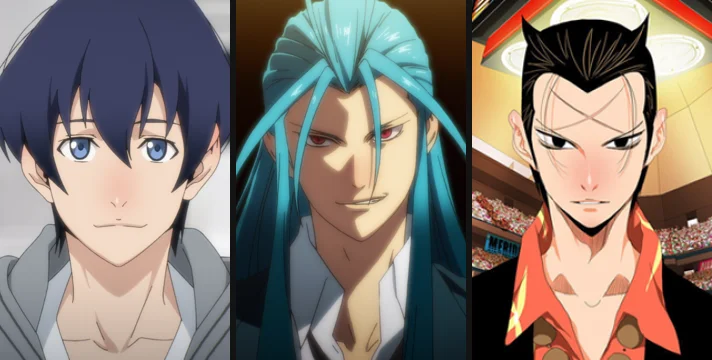 Left to right: Park Ilpyo (ally), Jegal Taek and Park Mujin (antagonists). Official character portraits via AniList.
Charyeok: the Power Behind Every Name
Charyeok, rendered in the official English materials as Borrowed Power, is the system that connects nearly every name in this guide. A fighter draws on a piece of a god's, demon's, or mythical entity's strength. What they borrow reflects the entity it came from. Han Daewi's Haetae controls water. Yoo Mira's draws on the historical Chinese general Lu Bu, giving her extra strength and the ability to summon his legendary horse. Ilpyo's Hojosa is a shapeshifting nine-tailed fox. Park Mujin's Longinus bends gravity.
Jin Mori and Jin Taejin stand out because neither one uses it. Both are labeled Genuine Fighters. Everything they do on the page comes from martial skill and raw physical ability, not a borrowed entity's power. Nearly every named fighter in this cast ends up tied to a Charyeok. A grandfather and grandson who don't need one is easy to miss on a fast read, and worth noticing once you catch it.
By the time the manhwa reaches the World Tournament and the mythology arc that follows, the martial-arts-only setup gives way to something closer to divine-scale conflict. Charyeok is the mechanism doing most of that scaling work.
Step-by-Step
The order below follows when each character enters the story, based on AniList's bios and Wikipedia's plot summary. It's the order a first-time reader actually meets this cast, not an alphabetical dump.
1. Jin Mori: introduced from chapter 1 as the GOH tournament's central entrant, already practicing the Renewal Taekwondo his missing grandfather taught him.
2. Jin Taejin: referenced from the opening chapters as the reason Mori is fighting at all, even before he appears directly on the page.
3. Han Daewi: meets Mori during the tournament's opening rounds, a Kyokushin Karate fighter entering for his friend's medical bills.
4. Yoo Mira: also introduced in the opening rounds, already the 25th master of the Moonlight Sword Style before the tournament starts.
5. Park Ilpyo: a regional champion who becomes an ally not long after the trio forms, his rivalry with Jegal Taek predating the tournament itself.
6. Jegal Taek: the antagonist of the first two arcs, whose match history with Ilpyo is one of the tournament's earliest-seeded conflicts.
7. Park Mujin: present from the start as the tournament's organizer on paper, revealed gradually as the manhwa's actual antagonist.
Tips for Reading This Roster
Track who has a Charyeok and who doesn't. It's a fast way to sort this cast. Jin Mori and Jin Taejin being the exceptions, not the rule, is one of the series' quieter structural choices.
Watch how "ally" and "rival" aren't fixed categories here. Ilpyo's rivalry with Jegal Taek started before the tournament did. It's the kind of prior history the manhwa expects you to piece together from what characters say about each other, not a flashback that spells it out.
Don't assume every fighter's motivation stays what it was at the start. Han Daewi's reason for competing changes after his friend's death. That shift is easy to miss if you're reading purely for the next match instead of tracking what each character says they're fighting for.
The trio-plus-grandfather-plus-rival structure here (a protagonist with an absent mentor figure, two allies met through combat, one arc-specific antagonist, one deeper-cut one) is a shape worth watching for across the genre. It repeats more than most readers notice on a first pass.
For the full list of completed manhwa worth reading start to finish, God of High School included: .
Best Completed Manhwa →
Common Character Mix-Ups
Advertisement
Name order is genuinely inconsistent across sources for this cast, and it's not this guide inventing a rule. WEBTOON's own series page (the primary source: "Mori Jin is a high school student and Taekwondo specialist...") writes every name given-name-first: Mori Jin, Daewi Han, Mira Yoo, Ilpyo Park. AniList's structured fields match that order. Crunchyroll's anime materials (dub synopses, official YouTube titles, awards copy) flip it to surname-first instead: Jin Mori, Han Daewi, Yoo Mira, Park Ilpyo, Park Mujin. This site's existing God of High School review and reading guide already use that Crunchyroll surname-first form throughout, so this guide matches them rather than switching mid-cluster.
MyAnimeList adds a third variant: given-name-first like WEBTOON, but hyphenated with a lowercase second syllable ("Mo-ri Jin," "Il-pyo Park"). None of these forms is wrong. They're different English-language conventions for the same Korean names. A reader who sees "Mori Jin" on WEBTOON and "Jin Mori" here isn't looking at an error.
Charyeok and Borrowed Power are the same system under two names. Charyeok is the Korean term; Borrowed Power is how the official English-language materials render it. This guide uses both interchangeably, the way most English coverage of the series does.
Frequently Asked Questions
Who is Jin Mori in The God of High School?
Jin Mori is the series protagonist, a Renewal Taekwondo practitioner raised by his adoptive grandfather Jin Taejin. He enters the GOH tournament to find strong opponents and to track down Taejin after his disappearance. AniList's character bio credits him with three original techniques: Blue Dragon Kick, Twin Dragon Blue Kick, and Blue Dragon Tempest.
Who are Jin Mori's closest allies in The God of High School?
Han Daewi and Yoo Mira, who both befriend Mori after fighting him in the tournament's opening rounds, then team up as part of the Korean squad. Park Ilpyo, a regional tournament champion, joins as an ally not long after. Jin Taejin, Mori's adoptive grandfather, is the character whose disappearance sets the whole story moving.
Who is the main antagonist in The God of High School?
Park Mujin is the manhwa's overall antagonist per Wikipedia's character summary: a National Assembly of Korea member who organizes the GOH tournament as a step toward a much larger plan. Jegal Taek is a separate antagonist specific to the first two arcs, the tournament rival whose Charyeok, Greed, absorbs other fighters' Borrowed Power.
What is Charyeok in The God of High School?
Charyeok, translated in the official English materials as Borrowed Power, lets a human fighter draw on a portion of a god's, demon's, or mythical entity's strength in combat. Han Daewi's is Haetae, a water-controlling creature from Korean folklore. Yoo Mira's draws on the Chinese general Lu Bu. Not every named character has one: Jin Mori and Jin Taejin fight without it, which the story treats as its own kind of rarity.
Is Jin Taejin really Jin Mori's grandfather?
Adoptive, not biological, per Wikipedia's character summary. Jin Taejin is described as the creator of Renewal Taekwondo and probably the strongest Genuine Fighter in the series, powerful enough to defeat gods using martial skill alone. His disappearance before the story opens is Jin Mori's stated reason for entering the GOH tournament.
What happened to Han Daewi's friend in The God of High School?
Daewi originally enters the tournament to win prize money for a close friend's cancer treatment. Per Wikipedia's plot summary, that friend dies partway through the story, and Daewi's motivation shifts from earning money for treatment to supporting Mori and Mira directly. Neither this site's God of High School review nor its reading guide names this turn, which makes it a genuine gap in the site's existing coverage of his arc.
Where do I read The God of High School and see the full cast?
WEBTOON carries the complete, free, official English translation across all 569 chapters. The MAPPA anime (2020, Crunchyroll) introduces the tournament-arc cast in animated form but doesn't reach most of the characters covered later in this guide.
Related Reading
- The God of High School Review: the full 8.5/10 verdict on the tournament and mythology arcs.
- The God of High School Reading Guide: where the anime leaves off and how the mythology arc changes the series.
- Manhwa Like The God of High School: recommendations for readers who finished GoHS and want the same energy.
- Nano Machine Character Guide: another AniList-sourced cast breakdown, for a murim series with a comparable protagonist-plus-power-system structure.
- Tower of God Reading Guide: a companion long-running WEBTOON action series with its own tournament-to-mythology escalation pattern.
References
Was this guide helpful?
About the author

Senior Manhwa Critic & Analyst
Manhwa critic and former Korean-to-English webtoon translator with 8 years reading across 40+ genres. London-based. Tracks everything from power-progression to slice-of-life romance.
- 8 years reading manhwa across 40+ genres
- Former Korean-to-English webtoon translator
- 500+ manhwa titles completed
- Specializes in progression systems and power-scaling analysis


Disclaimer
This article is published for informational and entertainment purposes. It does not constitute professional financial, legal, or technical advice. Series availability, platform access, translation status, and chapter counts change. Verify critical details (pricing, regional availability, official translation status) with publishers and platforms. Affiliate links, where present, help support our editorial work and are labelled in our affiliate disclosure.
Comments
Loading comments…