
TL;DR: Pick Me Up Infinite Gacha review: 8.0/10. You play as a 1-star hero in a game you used to run as the summoner. 193 Tapas episodes, weekly Friday updates. The emotional payoff requires patience across 30+ chapters but delivers consistently. AniList: 84/100.
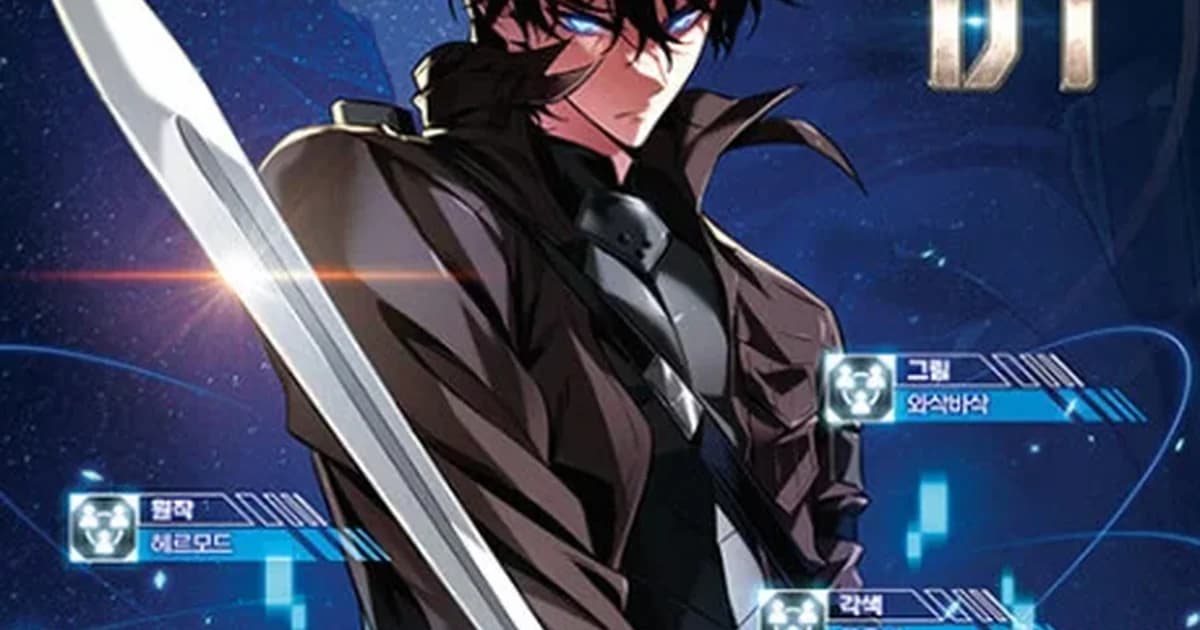
Reviewing
Pick Me Up! Infinite Gacha
Hermod (story), Wasakbasak (art), U-Ne Cho (adaptation) · A.TEMPO MEDIA / Tapas Entertainment
Score
Pros
- Inverted premise -- you are the 1-star unit, not the summoner -- creates genuine structural tension the genre rarely achieves
- Characters written with enough depth that losing them costs something
- Art that varies register well: mechanical sequences feel different from emotional ones
- System mechanics that develop rather than reset per arc
Cons
- Mid-arcs can feel slower than the premise promises
- English availability limited to Tapas; premium chapters behind paywall
- Emotional weight requires patience across 50+ chapters before it fully lands
Verdict
Pick Me Up Infinite Gacha earns its reputation: 8.0/10 for a system fantasy that uses its gacha mechanics to mean something rather than serve as decoration for escalating stats.
Pick Me Up Infinite Gacha review, starting with the premise because the premise is the whole argument for why this series functions. Seojin Han played the game Pick Me Up as most players do: pulling units, assessing their star ratings, using low-rarity heroes to learn boss attack patterns before sacrificing them. One-star units aren't characters in that framing. They're tools for information.
This Pick Me Up manhwa review keeps returning to that inversion because it is what separates the series from a standard leveling story.
Then he ends up inside the game as a 1-star hero.
The community consensus on this one is unusually consistent: "one of the hardest manhwas to reread" comes up across Reddit threads and tier lists alike. That reputation isn't about difficulty in the usual sense. It's about what happens when you spend 30 chapters learning to care about a character the system has already marked as expendable.
Pick Me Up Infinite Gacha Review: What the Setup Actually Delivers
The inversion is clean enough to explain in one sentence. What's harder to convey without reading it is how seriously the series takes that inversion across 193 episodes.
Most system fantasy manhwas use their mechanics as a backdrop for character growth. The protagonist gets stronger. Stats appear. The system rewards progress. Pick Me Up uses its mechanics differently: the gacha system is the antagonist's logic, and Seojin understands it because he built his entire original playstyle around exploiting it. He knows which units a player would sacrifice. He knows the efficiency calculus. He's now on the wrong side of that calculus.
The first arc establishes this without telegraphing where it's going. Subsequent arcs pay off the structural tension in ways that require the earlier chapters to have done their work. This isn't a series that can be summarized by its best moments. The best moments only work because of the patience before them.
At 193 episodes through September 2026, the series has not run out of things to do with its premise. That alone is rarer than it should be.
For more system fantasy with this kind of structural commitment, the list covers the full field, including where Pick Me Up sits in comparison.
best system fantasy manhwa
Art and Story: What Wasakbasak Gets Right
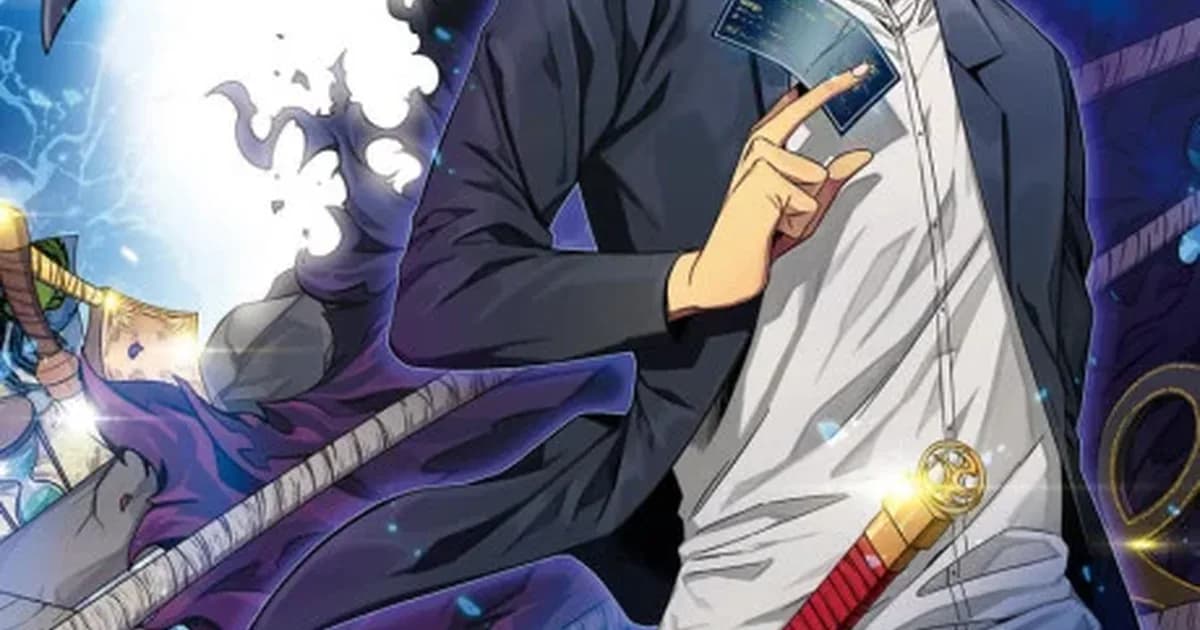
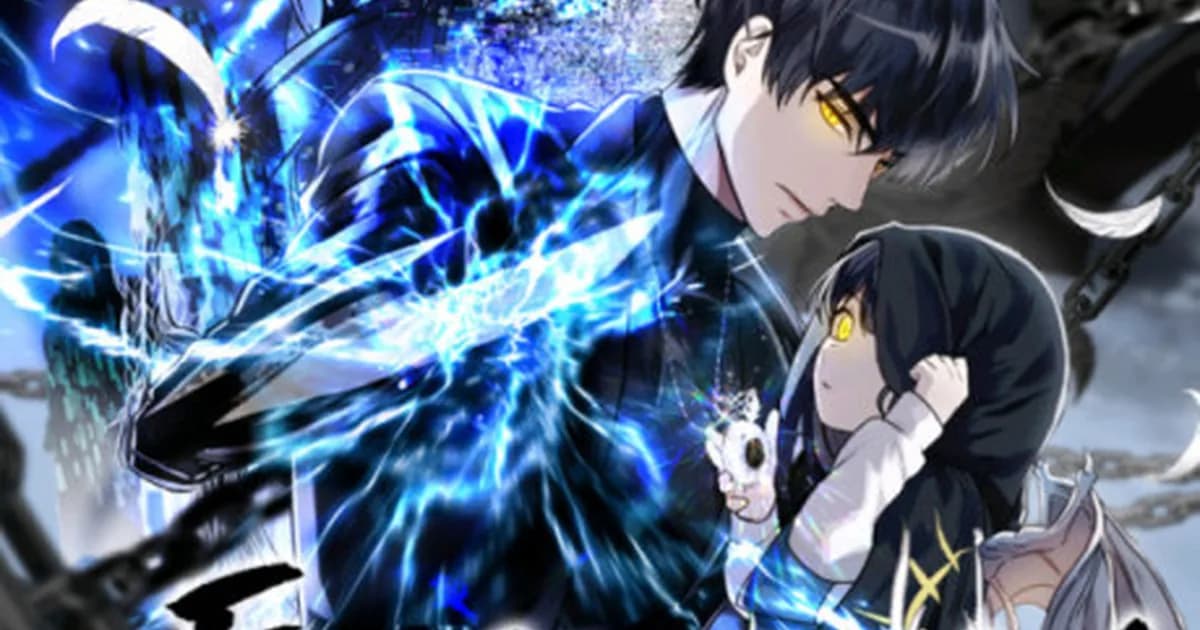
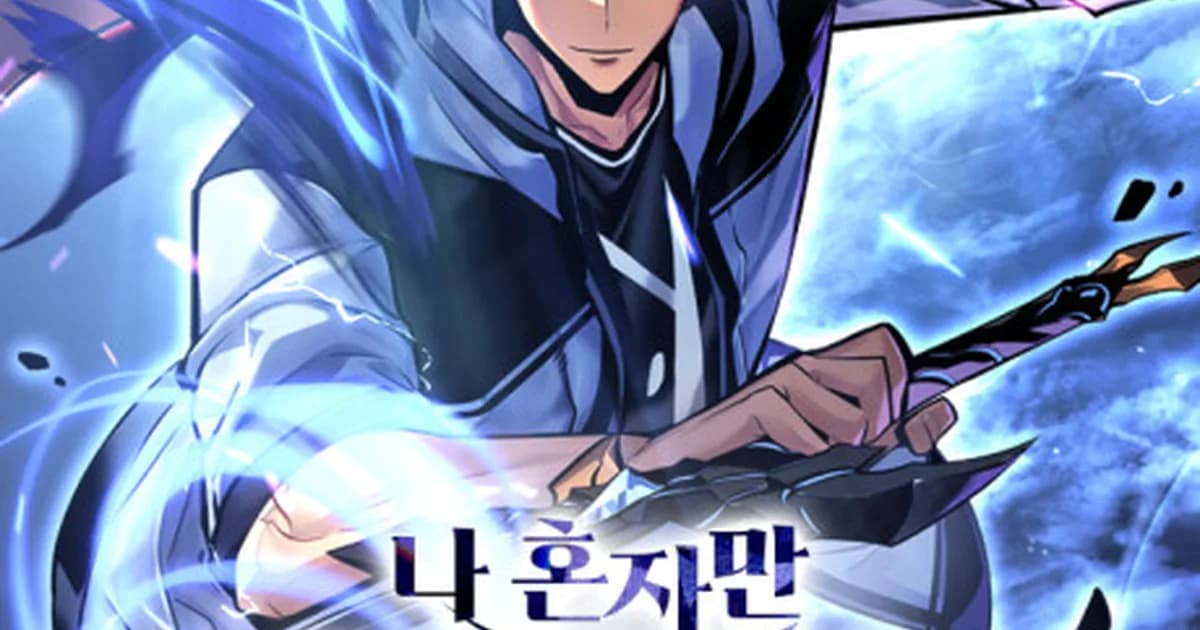
Wasakbasak's art varies register in ways that matter for this series specifically. The mechanical sequences (status screens, gacha pulls, combat flows) use a cleaner, more diagram-adjacent visual language. The emotional sequences pull back from that clarity. The transitions between the two modes are where the series finds its particular visual identity.
The character designs for the 1-star and 2-star heroes are deliberately plain by the standards of the genre. The system treats them as interchangeable, and the art backs that up: visually, the series doesn't overinvest in differentiating them early. When a design starts getting attention, that's the tell. The series is about to make you care about that specific person.
Action sequences are readable without being exceptional. The series isn't pursuing the fluid, reference-level choreography of series like Eleceed. It doesn't need to. Combat in Pick Me Up exists to create consequences, not spectacle.
The story by U-Ne Cho (adapting Hermod's original novel) maintains a pace that can feel slow in the middle sections of individual arcs. Chapters 90-130 are where this is most pronounced. The pacing issue is real but not severe; the series earns enough goodwill before that stretch that the slower sections read as necessary accumulation rather than filler.
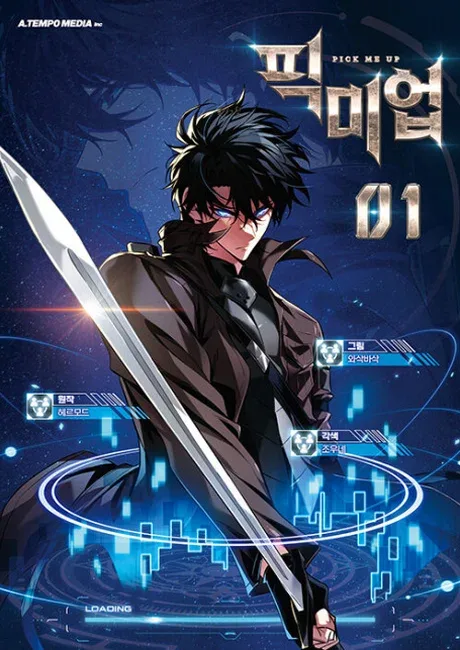 Pick Me Up! by Hermod (story), U-Ne Cho (manhwa adaptation), Wasakbasak (art). Published on KakaoPage and Tapas.
If the emotional weight here appeals, the takes a similar approach: the protagonist knows too much, and that knowledge makes everything cost more.
SSS-Class Revival Hunter review
The Gacha System: Where Pick Me Up Differs From Its Genre
System fantasy manhwas usually grant the protagonist mechanics that scale favorably. Leveling, classes, skills: the system is on the protagonist's side. Pick Me Up positions its system as explicitly adversarial, because Seojin's goal is to defeat the player who controls him, not to complete the game's designed progression.
This creates a specific kind of tension the genre rarely achieves: every system improvement Seojin gains is still happening within a framework he knows is designed to use units up and discard them. Getting stronger doesn't solve the structural problem. It just changes what strategies the player will try next.
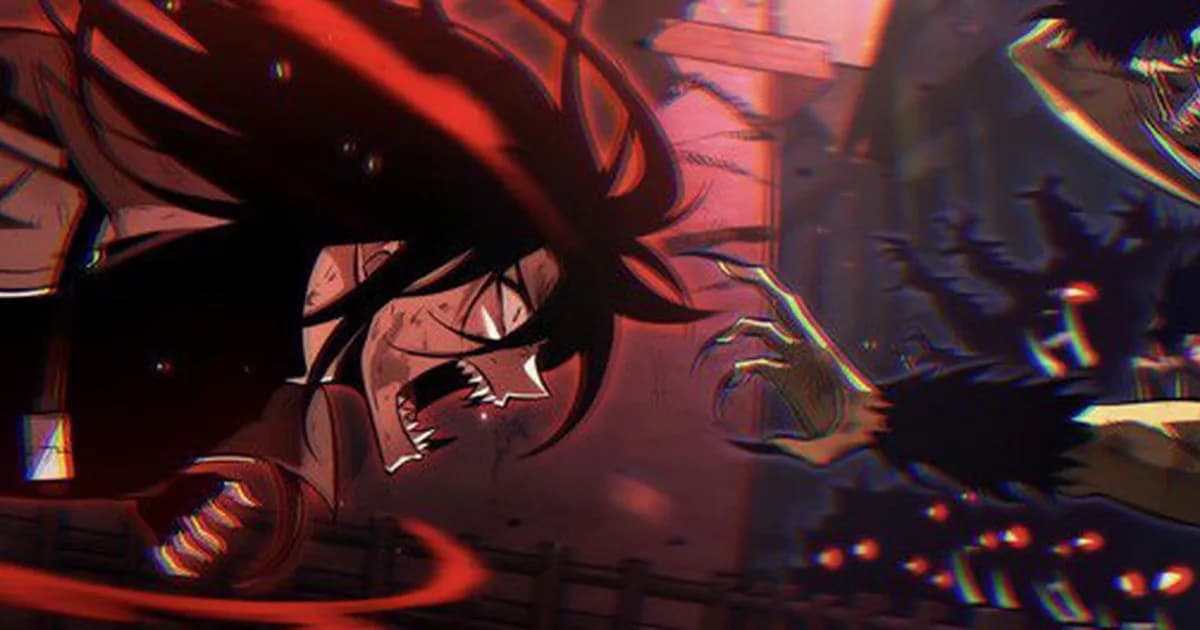
The Aaron's arc community discussions on Reddit reflect this: readers aren't just processing character events in isolation. They're processing what those events mean in the context of a system that made those events predictable, or preventable, depending on which side of the summoner-hero divide you're on.
Character Writing: Why the Community Calls This Hard to Reread
The 1-star heroes aren't written as casualties waiting to happen. Every named unit gets written as someone with their own story, not just a unit in the wrong slot. That's what separates this from most system fantasy: the system's logic is the villain, and the characters exist to make you feel that.
On a first read, that character work reads as enriching. On a reread, you're watching scenes knowing what the system will eventually demand. The text doesn't change. What changes is what you hear underneath it.
Nerissa Iyor is one specific example the community references. The character work done before her arc pays off only in retrospect. The series earns the emotional hit because it spent the time.
Not all characters get this treatment. The series calibrates which characters to develop fully and which to keep at sketch level. The calibration is usually right, which means when a character gets the full treatment, readers understand the signal.
Pick Me Up Infinite Gacha review: Verdict and Who Should Read It
The Good
- The inverted premise -- 1-star hero, not the summoner -- creates structural tension the genre almost never attempts
- Characters written with enough depth that losing them costs something; the series treats even "disposable" units as people
- Art shifts register between mechanical system sequences and emotional ones, and the transitions work
- System mechanics develop rather than reset per arc; Seojin's progression feels cumulative rather than circular
- At 84/100 on AniList from 44,393 users, the community reception reflects real staying power as of September 16, 2026
The Cons
- Mid-arcs, particularly chapters 90-130, feel slower than the premise promises
- English availability is Tapas-only; premium chapters behind paywall
- Emotional weight requires patience -- 30-50 chapters before the premise's implications fully land
- The payoff requires prior investment; readers who bounce off long-running manhwa may not reach it
At 8.0/10, Pick Me Up Infinite Gacha is a recommendation with a clear prerequisite: you need to commit past the premise setup. The first 30 chapters establish the situation. The following 50 develop the characters who make the situation matter. The payoff comes later, and it's real.
This isn't a series for readers who want system fantasy as pure power progression. The protagonist gets stronger, but that's not the point. He's learning what the game costs, and the answer is always other people.
For readers who want the best manhwa with OP MC in the traditional escalating-strength sense, there are better options in that category. For readers who want system mechanics used as narrative structure rather than reward loop, Pick Me Up is the current best example on Tapas.
Available on Tapas with weekly Friday updates. The original Korean version runs on KakaoPage. AniList score 84/100; AniList currently shows 44,393 popularity as of September 16, 2026 and marks the manga RELEASING.
Tapas is the only English home for Pick Me Up right now, and it closes on March 31, 2027. No move to another platform has been announced. Its only other WEBTOON listing is the French edition. (What the shutdown means)
Related Reading
- Manhwa Like Pick Me Up Infinite Gacha: 6 Picks: what to read after you finish
- Best System Fantasy Manhwa: 10 Series to Read in 2026
- SSS-Class Revival Hunter Review: Worth It? (8.5/10)
- Best Manhwa with OP MC: 10 Must-Read Series in 2026
- Best Manhwa to Read in 2026: Ranked by Category
- Pick Me Up Infinite Gacha Reading Guide
Frequently Asked Questions
Where can I read Pick Me Up Infinite Gacha? Pick Me Up Infinite Gacha (titled "Pick Me Up!" on the platform) is available on Tapas in English at tapas.io/series/pick-me-up. The original Korean version is on KakaoPage. Tapas offers free episodes with a wait time; premium chapters need Ink, and since October 1, 2026 Tapas no longer sells or gives it out, so only Ink you already hold works. Tapas currently lists 193 episodes and excludes the latest 57 episodes from its wait-until-free window.
How many chapters does Pick Me Up Infinite Gacha have? 193 episodes as of September 16, 2026, with new episodes releasing every Friday on Tapas. AniList's status field is RELEASING, and no announced end date is listed. The original Korean publication began December 28, 2022, on KakaoPage.
Is Pick Me Up Infinite Gacha completed? No. Pick Me Up Infinite Gacha is ongoing as of September 2026, updating weekly on Tapas. The Korean original continues on KakaoPage. No completion date has been announced.
Who created Pick Me Up Infinite Gacha? The original story (a Korean web novel) is by Hermod. The manhwa adaptation story is by U-Ne Cho (also credited as nicesun), and art is by Wasakbasak. Published originally by A.TEMPO MEDIA in 2022; the English version is by Tapas Entertainment (2024).
Why do readers call Pick Me Up Infinite Gacha hard to reread? The series develops characters you come to care about while the game system treats them as expendable units. Knowing how their arcs resolve on a reread adds weight to early scenes that seemed incidental. The series consistently writes its "fodder" characters as people rather than background entries, which makes the system's logic hurt more when it asserts itself.
Is Pick Me Up Infinite Gacha worth reading? Yes, if you want system fantasy that does something with its mechanics beyond power progression. The 8.0/10 rating reflects a series that commits to emotional stakes across its full runtime. The investment required is real (roughly 30 chapters before the premise's implications become clear), but the payoff is consistent.
How often does Pick Me Up update? Weekly, every Friday on Tapas. The Korean original on KakaoPage may update on a different schedule. As of September 2026 the English translation has maintained the Friday cadence without announced breaks.