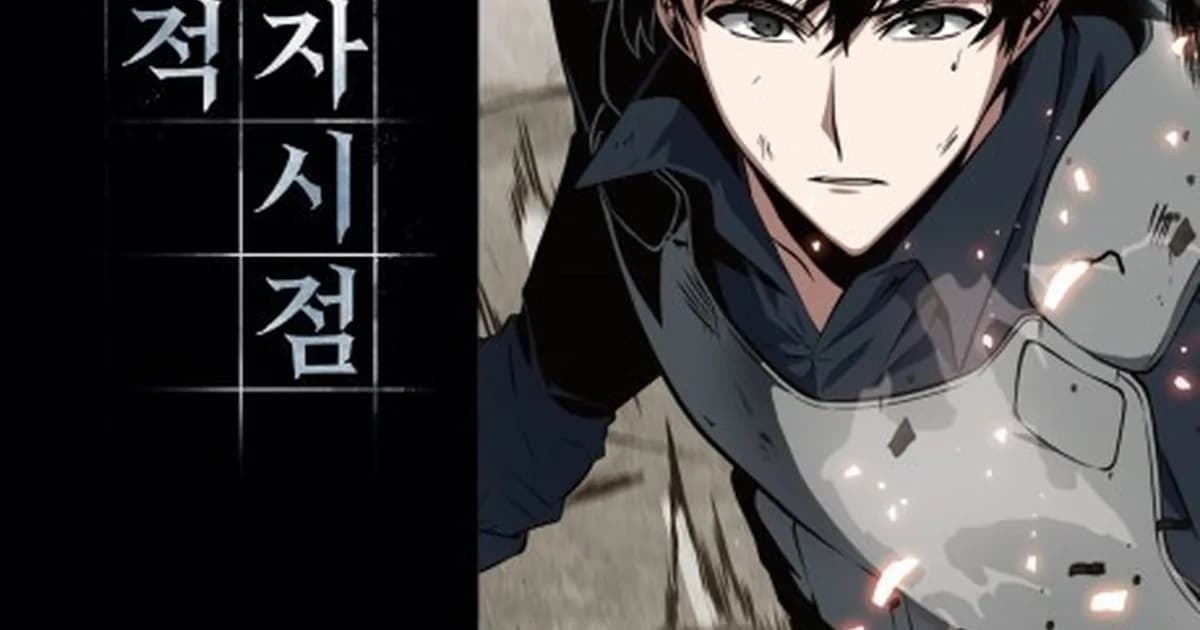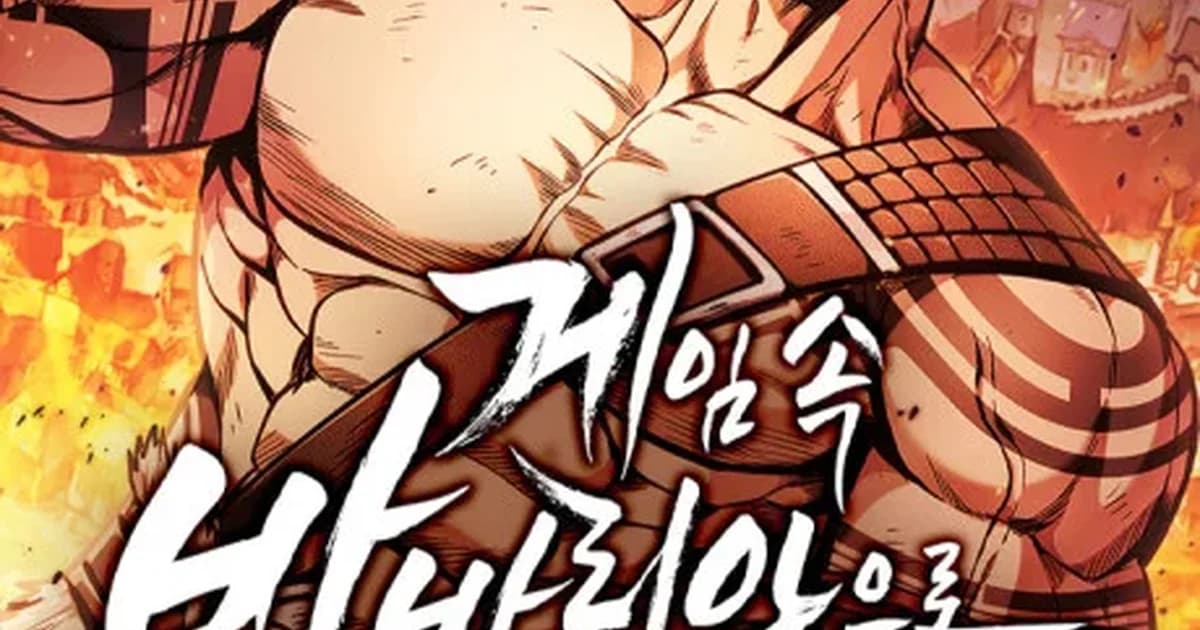

If you want manhwa like Lout of Count's Family, read The Greatest Estate Developer next. It's finished, it's on WEBTOON, and it runs on the same joke: a guy wakes up inside a fantasy novel as a useless noble and keeps getting dragged into heroics. Readers noticed. The other five picks each keep one part of TCF (the novel-reader hero, the comedy, the found family) and we say which.

What Manhwa Like Lout of Count's Family Need
Lout of Count's Family (백작가의 망나니가 되었다), also known as Trash of the Count's Family or TCF, starts with Kim Rok-Su, whose life motto is "Let's not get beat up." He falls asleep partway through the novel Birth of a Hero and wakes up as Cale Henituse, a minor villain who's about to get beaten by the future hero, Choi Han. The whole series is Cale trying to avoid the plot and failing upward.
The English edition on Tapas has 173 episodes. Tapas posted on May 29, 2026 that Season 4 had ended and the series is on hiatus until Season 5. Tapas also closes on March 31, 2027; TCF is licensed on Tappytoon, Manta and Lezhin too, so you have options. Our Tapas shutdown explainer covers what to do with unlocked episodes.
1. The Greatest Estate Developer
 The Greatest Estate Developer (cover via AniList).
Civil engineering student Su-Ho Kim falls asleep reading a fantasy novel and wakes up as Lloyd Frontera, a lazy noble who loves to drink and whose family is buried in debt. He uses engineering to dodge the bad future waiting for him, with help from a knight and a giant hamster. It's the closest match on the list, and readers have said so from the start: in a November 2025 r/manhwa thread asking whether TCF is any good, one reply noted that "when greatest estate developer was released it was called a copy of lout of count's family."
The difference is tone. TGED is drier and runs on competence comedy; TCF leans harder on the found family. It finished at 222 chapters, counting 12 extras, and WEBTOON marks it completed. Our review explains why the ending works.
2. The Novel's Extra
 The Novel's Extra (cover via AniList).
Kim Hajin wakes up inside the web novel he wrote, as an extra. He knows the world because he invented it, until the plot starts drifting from what he wrote. That's the TCF premise turned one notch: Cale only read the book, Hajin wrote it. It's on Tapas with 158 episodes, updating weekly with a one-week break after every six.
3. Omniscient Reader's Viewpoint
 Omniscient Reader's Viewpoint (cover via AniList).
Kim Dokja is an office worker whose favorite web novel comes true, and he's the only person who knows how it ends. It shares TCF's reader-inside-the-story idea and its loyal, growing crew, but it's far darker and bigger in scope. Read it if you wished TCF had higher stakes. The English run on WEBTOON is at Episode 308 and on a season break with a "will return" note.
4. A Returner's Magic Should Be Special
 A Returner's Magic Should Be Special (cover via AniList).
Desir Herrman is one of six mages who lose humanity's last stand against the Shadow Realms, and he wakes up thirteen years earlier at the start of his school days. Like Cale, he uses what he knows about the future to prepare the people around him. It's more serious than TCF, and it's finished at 268 chapters, complete in English on Tapas and also licensed on Tappytoon.


5. How to Use a Returner
 How to Use a Returner (cover via AniList).
Giyoung gets thrown into a life-or-death game with the lowest stats of any player and one useful skill: he can read other players' status windows. When he spots that Hyunsung is a returner, his plan is simple: stick close to the guy who knows what's coming and coast. That's Cale's energy exactly, a hero who'd rather someone else do the heroics. It's on Tapas with 191 episodes, updating Sundays.
6. I'm the Max-Level Newbie
 I'm the Max-Level Newbie (cover via AniList).
Kang Jin-Hyeok is the only person who ever cleared the game Tower of Trials, and he's about to quit streaming it when the tower shows up in real life. Everyone else is a beginner; he knows every floor. It keeps TCF's gap between how people see the hero and what he can actually do, but with less of the warmth. It's on WEBTOON and Tappytoon.
Our Take on Manhwa Like Lout of Count's Family
Start with The Greatest Estate Developer if you love Cale's reluctant competence, and with The Novel's Extra if what hooked you was being trapped inside a book. ORV is the pick if you want TCF with the stakes turned all the way up. And if TCF itself has started to drag for you, you're not alone: the top reply in that same thread says it "needed to end around the 200-300 chapter mark." A finished series like TGED is a good palate cleanser.
How We Checked This
We re-checked every premise, count and platform on AniList, Tapas, WEBTOON and Tappytoon and logged each in our sources table. This pass fixed three premises the old version got wrong (A Returner's Magic, How to Use a Returner and I'm the Max-Level Newbie), moved TGED to WEBTOON where its English edition actually lives, and replaced a link to a genre list that was standing in as a sixth pick with The Novel's Extra.
Last reviewed: October 14, 2026
Related Reading
- Lout of Count's Family Review: our verdict on Cale's reluctant heroics and where the series drags.
- Lout of Count's Family Reading Guide: the arcs, the season breaks and where to start.
- The Greatest Estate Developer Reading Guide: how the closest finished match is laid out, arc by arc.
- Omniscient Reader's Viewpoint Reading Guide: where the darker reader-in-the-story pick starts paying off.
- I'm the Max-Level Newbie Reading Guide: floor-by-floor guide to the streamer who already beat the game.
- Best Isekai Manhwa: the wider isekai field if none of these six land.