Loading…


ChapterBrief · Guides
The Boxer Reading Guide: Arc Structure, 133 Chapters
The Boxer reading guide for new and mid-read readers. Arc breakdown, the 30 bonus chapters explained, platform options, and what to expect from the ending.
11 min readBy Ethan Mercer
Reviewing
The Boxer
Ji-Hun Jeong
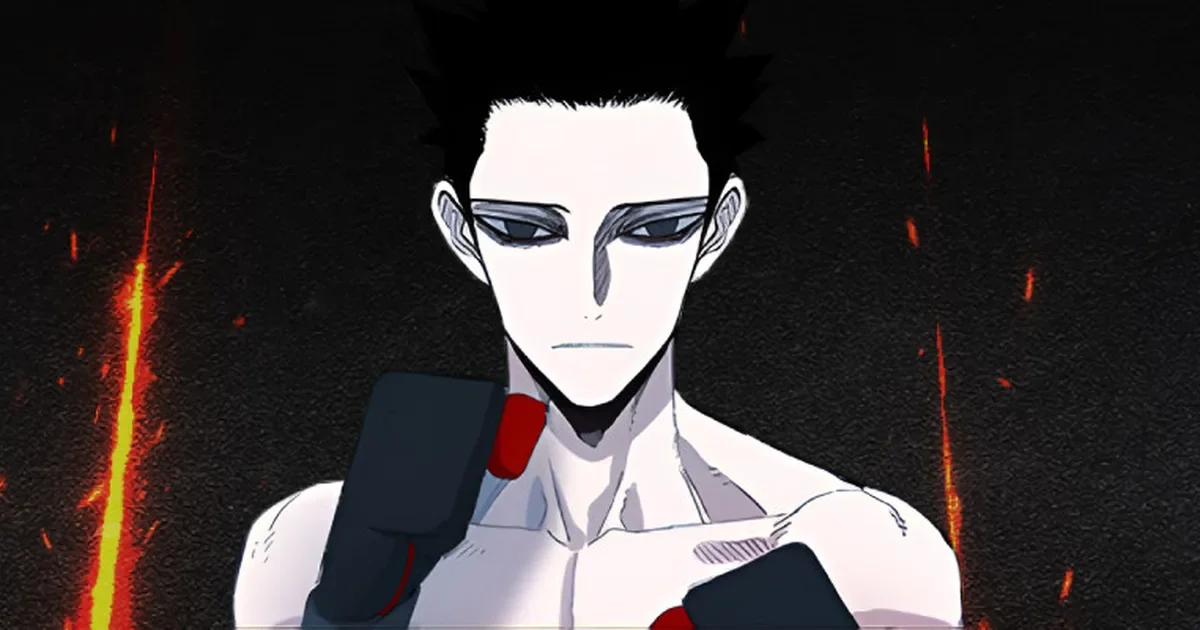
The Boxer reading guide: what most readers starting the series don't expect is that the boxer at the center of it genuinely doesn't care whether he wins or loses, and the series uses this as a structural feature rather than a character flaw to be overcome.
TL;DR: The Boxer runs 133 chapters (103 main + 30 bonus), completed, free on WEBTOON. Yu's detachment is intentional and resolves with context. The series breaks into roughly three arcs across the main run. The bonus chapters focus on supporting characters, not Yu. The ending splits readers; the debate is about tone, not unresolved plot. Read from chapter 1 straight through. Platform options: WEBTOON (free, digital), Naver Webtoon (Korean), Yen Press (print).
That specific quality is why readers sometimes stall in the first 15 chapters. Yu's emotional flatness reads as flat until the series gives you enough context for it to read as something else. This guide covers how the story is structured, where the arc shifts happen, what the 30 bonus chapters actually contain, and what to know about the ending before you get there.
Official WEBTOON trailer for The Boxer.
The Boxer reading guide: key takeaways
- 133 chapters total: 103 main story + 30 bonus chapters
- Ji-Hun Jeong is sole creator (story and art), which is uncommon in Korean manhwa
- Free on WEBTOON English; all chapters available without a fast-pass
- Three loosely defined arcs across the main run; the bonus chapters are a fourth, separate unit
- Yu's character makes sense by chapter 30. Give it that long before deciding
- The ending is real, the controversy is real; knowing this in advance usually helps
- Print edition available from Yen Press for readers who prefer physical
Understanding Yu before you start
Yu is the reason early readers sometimes bounce. He wins every fight without visible effort or interest. He doesn't want to win. He doesn't want to lose. He doesn't seem to want much of anything.
This isn't an unresolved character trait the series forgets about. It's the question the series is actually asking. Coach Ryu's obsession with Yu, the structure of the arcs, the progression of the supporting cast: all of it is organized around understanding what Yu is and what that means for everyone around him.
By chapter 30, you'll have enough context for Yu's state of mind that the flatness starts reading differently. Before that chapter, the series is asking you to hold the question without answering it. Readers who try to force an explanation before the series gives one tend to find the early chapters frustrating.
The key piece of information the series provides early but doesn't explain immediately: Yu didn't develop his boxing ability through training or effort. It came from somewhere else. What that somewhere is, and what it means, is the engine of the main story.
Arc structure across 133 chapters
Advertisement
The Boxer doesn't label its arcs explicitly, but the structure breaks into three clear phases across the main 103-chapter run, with the bonus chapters forming a fourth distinct unit.
Phase 1: Who is Yu? (Chapters 1-30)
Coach Ryu finds Yu. Yu defeats everyone Ryu puts in front of him. Ryu becomes consumed by the question of what Yu is rather than the question of whether Yu can win.
This phase establishes the premise and the core dynamic. Several supporting fighters are introduced whose full stories will carry weight later. The art is already doing the thing it does: extreme close-ups on eyes and hands, panels that compress and expand around moments of impact, visual abstraction during peak action. If the art style clicks for you here, it'll stay clicked. If it doesn't, the series will keep asking you to accept it.
The first 30 chapters are slower than the genre standard. There's no conventional training arc, no tournament bracket building toward the next tier. The series is spending this time establishing what it is instead of what it's doing.
Phase 2: The cost of facing Yu (Chapters 31-70)
The series broadens its focus to the fighters who enter Yu's orbit and what happens to them. Several opponents get extended backstories before their matches with Yu. This is where The Boxer distinguishes itself from the standard sports manga structure most clearly.
By this point it's clear the series isn't interested in whether Yu will win his next fight. He will. The interesting question is what the fight means for the other person, and what it does to Coach Ryu to keep watching.
The art is doing more complex structural work in this phase. Some chapters spend extended panel sequences on pre-fight mental states. The fights themselves vary in length from very short to several-chapter examinations.
For an overview of the full series with critical assessment and rating:
The Boxer Manhwa Review
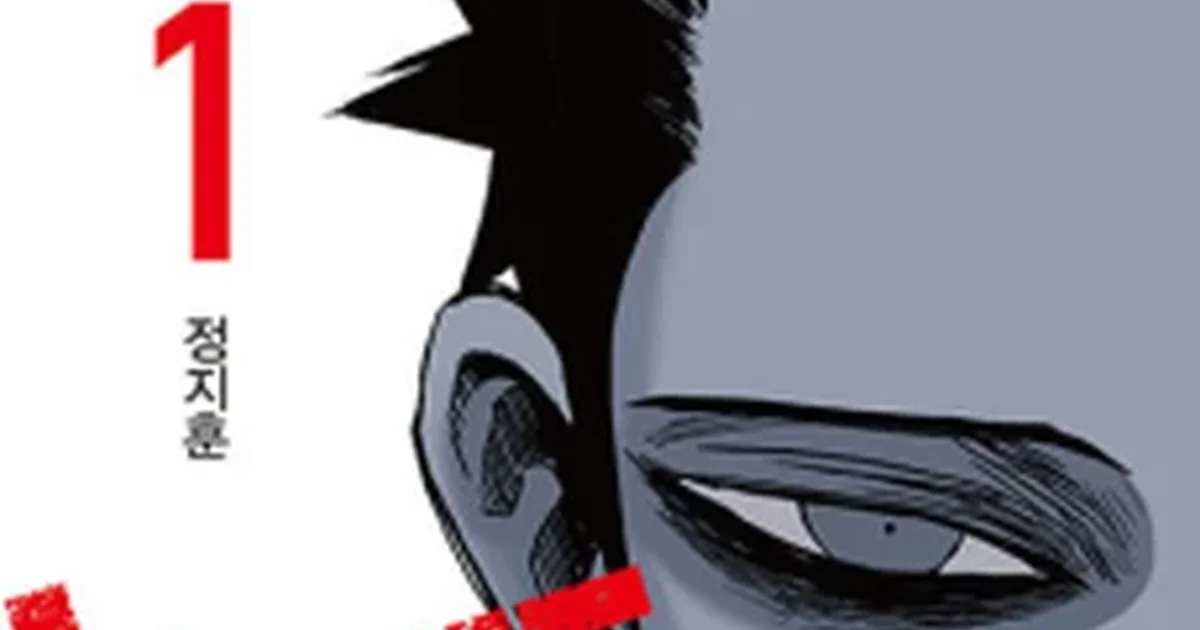
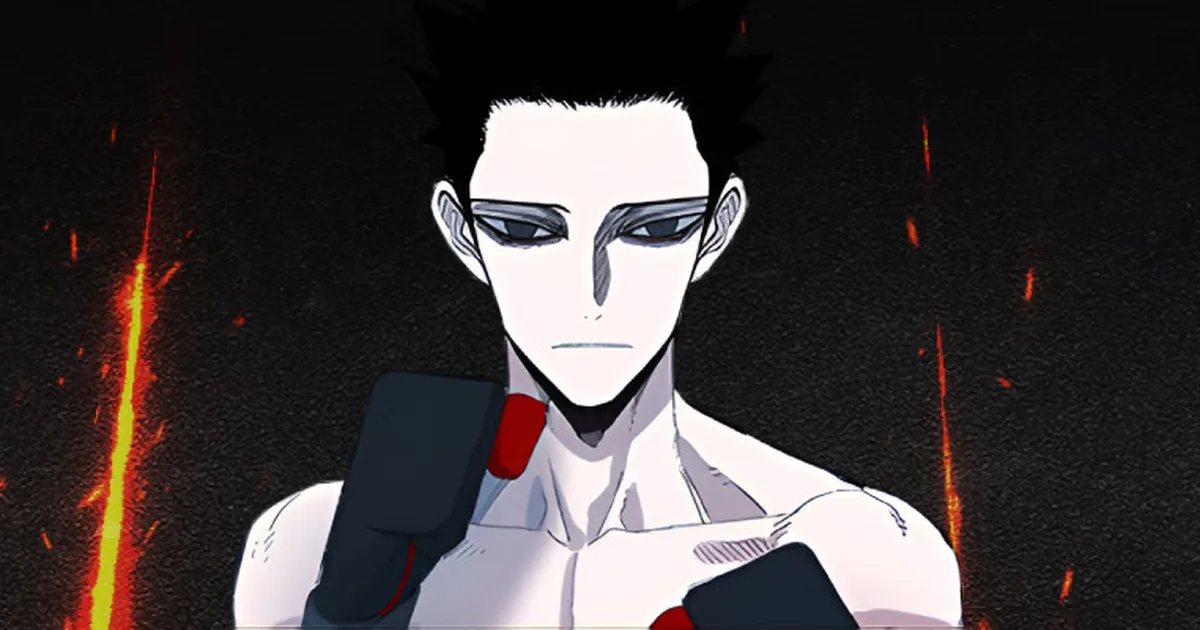 The Boxer's high-contrast art style in the mid-fight phase: expressions carry more information than action choreography.
Phase 3: The ending arc (Chapters 71-103)
The main story's final phase shifts focus back to Yu with more explicit engagement with the question of what he actually is. The emotional register changes. This is the section that generates the most reader disagreement.
Without spoiling specifics: the ending delivers a thematic conclusion consistent with the series' central question. What divides readers is whether the conclusion's emotional scale matches the investment they put in. Some readers find it exactly right. Others expected something larger.
Going in knowing the debate exists changes how you read it. The ending isn't a narrative failure or an unresolved cliffhanger. It's a choice about register that not every reader will agree with.
Phase 4: The 30 bonus chapters (Chapters 104-133)
The bonus chapters are separately structured from the main arc. They focus almost entirely on supporting characters: their backstories, their histories before meeting Yu, and their lives in the aftermath of what the main story does to them.
They're not required reading for understanding Yu's story. If you finished chapter 103 and felt complete, you can stop there. The bonus chapters don't change the main arc's conclusion or add a post-credits type resolution.
Read them if: the supporting cast engaged you during the main run and you want more time with specific characters. Don't read them if: you found the supporting characters less interesting than Yu's arc and want to preserve the main story's ending as your final impression.
The art style in practice
Ji-Hun Jeong's art is the most frequently mentioned element in both positive and negative responses to The Boxer. Understanding what it's doing helps calibrate expectations before you're in it.
The fights don't communicate action choreographically. You won't read a sequence and come away knowing exactly which punch connected at which angle. Instead, you'll come away knowing how the moment felt: the weight of impact, the shock on a face, the compression of time. It's more cinematic than mechanical.
This is a specific choice, not a production limitation. Ji-Hun Jeong has the technical skill to draw clear fight choreography. The Boxer's fight art is abstract because the series is interested in what the fights mean rather than what they contain.
Readers who adjust to this approach tend to find the fights in The Boxer more emotionally resonant than standard sports manhwa action. Readers who want legible choreography will consistently find it frustrating. Neither response is wrong; they're preferences.
The non-fight art is similarly distinctive. Character expressions are often reduced to one or two high-contrast elements. Environments are sparse. The visual economy of the series is very different from the detailed, layered backgrounds of something like Lookism or Tower of God.
For other completed manhwa where the art direction is doing distinct work:
Best Completed Manhwa
Platform options
WEBTOON (English): Free, no paywall, all 133 chapters available immediately since the series is completed. Standard fast-pass chapters (requiring coins) convert to free after a few weeks anyway, but since the run is complete, this is irrelevant. Read here if you want to start immediately.
Naver Webtoon (Korean): Original publication source. Relevant only if you read Korean or want the original language version. The WEBTOON English release is official and complete.
Yen Press (print): English print volumes covering the series. Better if you prefer physical reading and better image quality than digital. The trade-off is price and that you'll need to purchase volumes rather than reading free. Yen Press has published multiple volumes but confirm current release status before assuming the full print run is available.
One platform note: WEBTOON's vertical scrolling format is how The Boxer was designed to be read. The panel flow and pacing choices Jeong makes are calibrated for the scroll format. Print reads slightly differently because the page breaks don't land in the same places as scroll points. Both are valid, but the scroll format is probably closer to intended.
Managing the ending debate
The honest advice: read the ending for yourself before seeking community consensus on whether it's good.
The debate is real, and it's been ongoing since the series concluded. But the reader responses are distributed across a spectrum rather than cleanly split. Some readers who went in expecting to hate the ending found it satisfying. Some who read the whole series with no expectations found it abrupt. The response to the ending is individual enough that community consensus won't reliably predict yours.
What the debate is actually about: the final arc shifts the emotional register of the series. The Boxer has been consistently emotionally restrained. Yu's detachment is the series' dominant emotional mode. The ending operates in that same mode. Readers who wanted a conventional emotional release from 103 chapters of investment didn't get one. Readers who found the consistent emotional restraint appropriate found the ending consistent.
That's the actual split. It's a coherent disagreement. Neither side is misreading the series.
Step-by-Step
1. Start on WEBTOON English: All 133 chapters are free with no paywall since the series is complete. It's also the intended reading format: Ji-Hun Jeong's panel pacing is calibrated for WEBTOON's vertical scroll, not print pages.
2. Push through the first 30 chapters before judging Yu: His emotional flatness is a deliberate structural choice, not an undeveloped trait. Context starts arriving around chapter 20-25 and the payoff lands by chapter 30, so don't decide on the series before you get there.
3. Read the three main-story phases in order through chapter 103: Phase 1 (chapters 1-30) establishes who Yu is, Phase 2 (31-70) shifts focus to the fighters who face him, and Phase 3 (71-103) closes his arc with the ending that generates the most reader disagreement.
4. Decide on the 30 bonus chapters (104-133) based on the supporting cast: They expand backstories for characters from Yu's fights rather than continuing his story. If chapter 103 felt complete, it's fine to stop there.
5. Hold off on community takes about the ending until you've read it: The debate is about tone and emotional scale, not unresolved plot, and knowing the arguments in advance changes how the final arc reads.
Common mistakes reading The Boxer
Advertisement
Stopping before chapter 30. The most common mistake. Yu's character doesn't read as intended until the series provides context that starts arriving around chapter 20-25. Readers who stop earlier are stopping before the premise has had time to establish itself.
Expecting the supporting cast to have less weight than they do. Several supporting fighters get extended arcs before their fights with Yu. Some readers skip through these expecting them to be filler. They're not. The series is using these arcs to establish everything the fights with Yu mean.
Reading community takes on the ending before finishing it. The debate around the ending is specific enough that knowing the arguments shapes how you read the final arc. Give yourself a first read before reading anyone else's take.
Treating the 30 bonus chapters as required. They're optional. If you finish chapter 103 and feel complete, you're allowed to stop there. The bonus chapters are worth reading but aren't the main story.
Frequently Asked Questions
How many chapters is The Boxer manhwa?
133 total: 103 main story plus 30 bonus chapters. Completed. All available free on WEBTOON English.
Are the 30 bonus chapters necessary?
Not for the main story. They expand supporting characters. Skip them if you only care about Yu; read them if the cast engaged you.
Does the ending resolve everything?
Yes, thematically. No loose plot threads. The debate about the ending is about register and emotional scale, not unresolved story.
Is The Boxer free to read?
Free on WEBTOON English, all 133 chapters, no paywall since the series is complete.
What order should I read it in?
Chapters 1 through 133 in sequence. WEBTOON handles the ordering automatically. No out-of-order reading needed.
How does the art compare to other manhwa?
More cinematically abstract than standard manhwa. Prioritizes impact over choreographic clarity. Stark black and white with extreme close-ups. Different from most WEBTOON action art in ways that are intentional.
When does Yu's character start making sense?
By chapter 30, the context the series provides makes his state of mind read differently. The early flatness is intentional. The payoff for holding the question comes by the end of the first phase.
Related Reading
- The Boxer Manhwa Review: Full 8.5/10 critical assessment of the series with verdict and detailed art section.
- Manhwa Like The Boxer: Six picks for readers who want more after finishing The Boxer, prioritizing completed series and unusual protagonists.
- Best Completed Manhwa: Genre-wide list of fully finished series at comparable quality to The Boxer.
- Viral Hit Manhwa Review: Same fighting-as-craft premise in a school setting, methodical growth, underdog protagonist, completed.
- Blue Lock Manga Review: Sports competition where protagonist development is measured and systematic, different sport, same philosophical frame as The Boxer.
- The Boxer Characters: Yu, K, J, and the Full Cast Guide
References
Was this guide helpful?
About the author

Senior Manhwa Critic & Analyst
Manhwa critic and former Korean-to-English webtoon translator with 8 years reading across 40+ genres. London-based. Tracks everything from power-progression to slice-of-life romance.
- 8 years reading manhwa across 40+ genres
- Former Korean-to-English webtoon translator
- 500+ manhwa titles completed
- Specializes in progression systems and power-scaling analysis
Disclaimer
This article is published for informational and entertainment purposes. It does not constitute professional financial, legal, or technical advice. Series availability, platform access, translation status, and chapter counts change. Verify critical details (pricing, regional availability, official translation status) with publishers and platforms. Affiliate links, where present, help support our editorial work and are labelled in our affiliate disclosure.
Comments
Loading comments…