

True Beauty reading guide: if you watched the K-drama first, the manhwa is going to surprise you. This True Beauty reading guide covers the complete 223-episode main story: what the series is actually about, how the love triangle resolves, and where the manhwa and the drama diverge. Not because it's better (though I think it is, mostly), but because they tell the same story differently enough that finishing one doesn't spoil the other.
TL;DR: True Beauty is Yaongyi's completed romance manhwa, with a 223-episode main story on WEBTOON. AniList's 257-chapter count includes a prologue and 33 side stories. Jugyeong ends up with Suho (the other route has a real ending too). The K-drama (tvN, 2020-21) is faithful for the first half and diverges in the second. Read manhwa first for the full story. All ages, no explicit content.
223 main-story episodes, completed. The full arc of Im Jugyeong's self-acceptance is readable from start to finish; AniList's larger 257-chapter count includes a prologue and 33 side stories.
Overview
True Beauty is a completed romance manhwa by Yaongyi, published on WEBTOON and Naver Webtoon. The main story ran 223 episodes and concluded in 2023 with a full ending; AniList lists 257 chapters when the prologue and 33 side stories are included. WEBTOON carries the official English translation, with access governed by its current free, daily-pass, and app rules. The series is rated all-ages, handling romance, appearance anxiety, and social pressure without explicit content.
The premise: Im Jugyeong is bullied throughout middle school for her looks. She teaches herself makeup and transfers to a new high school where nobody knows her bare face. At the new school she enters a love triangle with Lee Suho, who discovers both versions of her early on, and Han Seojun, whose history with her is revealed gradually across the run.
What distinguishes True Beauty from standard romance manhwa is its treatment of appearance anxiety. The transformation does not solve Jugyeong's anxiety; it transfers it. The fear of being seen and found inadequate shifts to a fear of being seen through the performance. Yaongyi spends 223 episodes tracking that distinction. The K-drama adaptation (tvN, 2020-21, 16 episodes) covers the same premise but diverges significantly in the second half. Platform: WEBTOON, with access governed by its current free, daily-pass, and app rules. Status: complete at 223 main-story episodes.
Key Takeaways
- True Beauty reading guide: 223 main-story episodes, completed, in two parts (High School Story chs. 1-58, Into Adulthood chs. 59-223); AniList's 257 chapters also include a prologue and 33 side stories
- Official English translation on WEBTOON; episode access follows the platform's current rules
- Author Yaongyi completed the series in 2023; the full ending is available
- Love triangle: Lee Suho (knows both versions of Jugyeong from early on) vs Han Seojun (more complicated starting point, deeply developed arc)
- K-drama (2020-21, tvN) covers the story but diverges significantly, especially in the Seojun arc
- For a full series rating and thematic breakdown: True Beauty review →
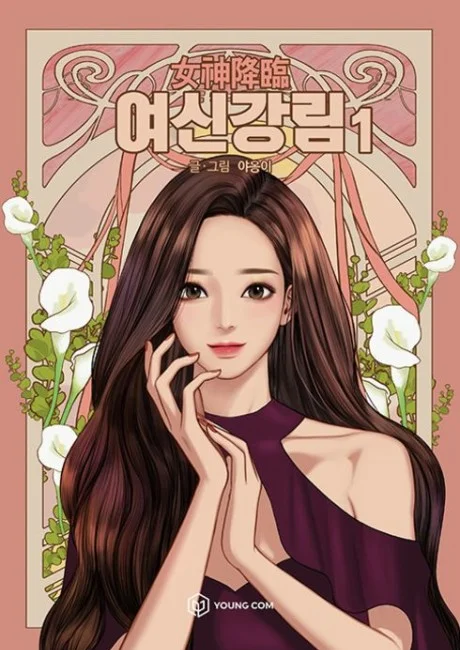 True Beauty.
Step-by-Step
Advertisement
1. Start at Episode 1 on WEBTOON: There is no reading order complexity: no seasons, no spinoffs, no companion series. The main story runs Episode 1 through Episode 223 in a single linear track, split into two named sections: the High School Story (Chapters 1-58) and Into Adulthood (Chapters 59-223). AniList's 257-chapter catalog also includes a prologue and 33 side stories.
2. Pick daily pass or a binge unlock: WEBTOON's current access rules determine which completed episodes are free or need a daily-pass/app unlock. At a natural pace, the 223-episode main story takes roughly three to four weeks. Alternatively, wait until you're ready to binge and use the platform's available unlock options -- useful here since the love triangle doesn't actually resolve until Suho and Jugyeong become official around chapter 169.
3. Read to chapter 40 before deciding if it's for you: The first 30 chapters are setup, establishing Jugyeong before and after the transformation, the new school, and the first encounters with Suho and Seojun. This is a slower, character-interior series where the tension is emotional rather than plot-driven, so if you're coming from action or system-fantasy manhwa, chapter 40 is your honest checkpoint.
4. Expect a slow stretch from chapter 70 to chapter 165, and keep going: This is the most common point where readers pause or drop the series, as the love triangle cycles through jealousy episodes and near-misses without resolving. Knowing it picks up once Suho and Jugyeong become official around chapter 169 makes the stretch easier to push through.
5. If you watched the K-drama first, start from Episode 1 anyway: The manhwa covers familiar ground in the first half, but Jugyeong's internal voice is far more present on the page than in the show, and chapter 200+ covers content the drama never reached.
What True Beauty is actually about
I want to address the "romance with makeup" summary because it undersells what's there. Yes, Im Jugyeong learns makeup, transforms how she looks, transfers to a new school where nobody knows her bare face. That's the setup. What the series is doing underneath is more specific.
The transformation doesn't solve Jugyeong's anxiety; it transfers it. Before makeup, the anxiety was about being seen and found inadequate. After makeup, it's about being seen through the performance and found to have been inadequate all along. The fear doesn't go away; it changes form. Yaongyi spends 223 episodes tracking that distinction, and the series is most interesting when it's showing how the made-up Jugyeong and the bare-faced Jugyeong are running two different social lives that keep intersecting.
If you've ever had to maintain a gap between how you appear and how you feel, this series reads differently than it does for people who haven't. The appearance anxiety at the center isn't generic; it's specific and honest in ways that most romance manhwa doesn't attempt.
Start from Chapter 1: that's the one hard rule this True Beauty reading guide has. The early chapters establish who Jugyeong is before the transformation, which matters for everything the series builds after it. Don't skip them.
The love triangle, broken down honestly
Lee Suho finds out about the real Jugyeong early. His relationship to her is built on knowing both versions, which creates a different dynamic than the standard romance where the male lead falls for the performed version and then has to adjust when he learns the truth. Suho never has to adjust. That stability is both his appeal and what makes him a less dramatically interesting character in certain stretches.
Han Seojun is the harder character to summarize without spoiling, which is actually the correct measure of how well-developed he is. His relationship with Jugyeong has a complicated history that the series reveals gradually. His arc is the one that created the fandom division around the ending; a lot of readers felt his development warranted a different outcome.
I'm not going to pretend there's no answer to who Jugyeong ends up with, because that information is searchable in about five seconds and the FAQ below covers it. What I will say: the series earns both characters. Seojun's ending, specifically, is handled with more care than "the second lead loses" usually gets. He gets a resolution that makes sense for who he is, not just a consolation scene. That's rarer in romance manhwa than it should be.
The fandom divide is real. If you're reading this True Beauty reading guide before you've read the series: set it aside and just read. Your reaction to the ending will be more honest without having formed opinions in advance.
For other completed romance manhwa with similar premises and genuine conclusions:
Best Romance Manhwa in 2026 →
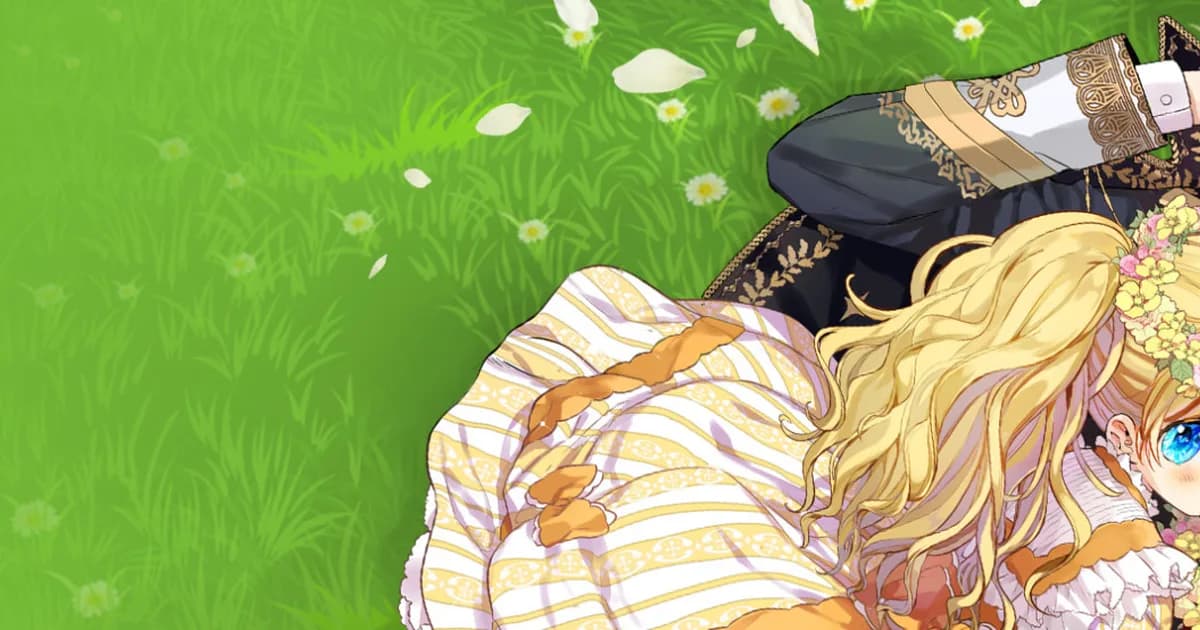
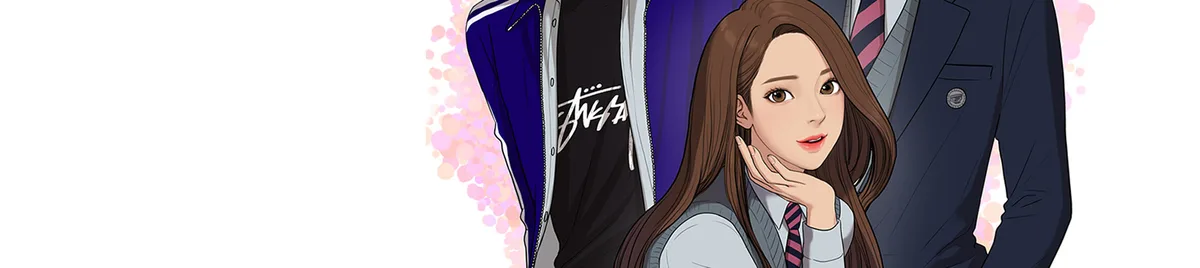 Caption: AniList banner for True Beauty; Jugyeong's dual identity is the premise the full 223 episodes are built around.
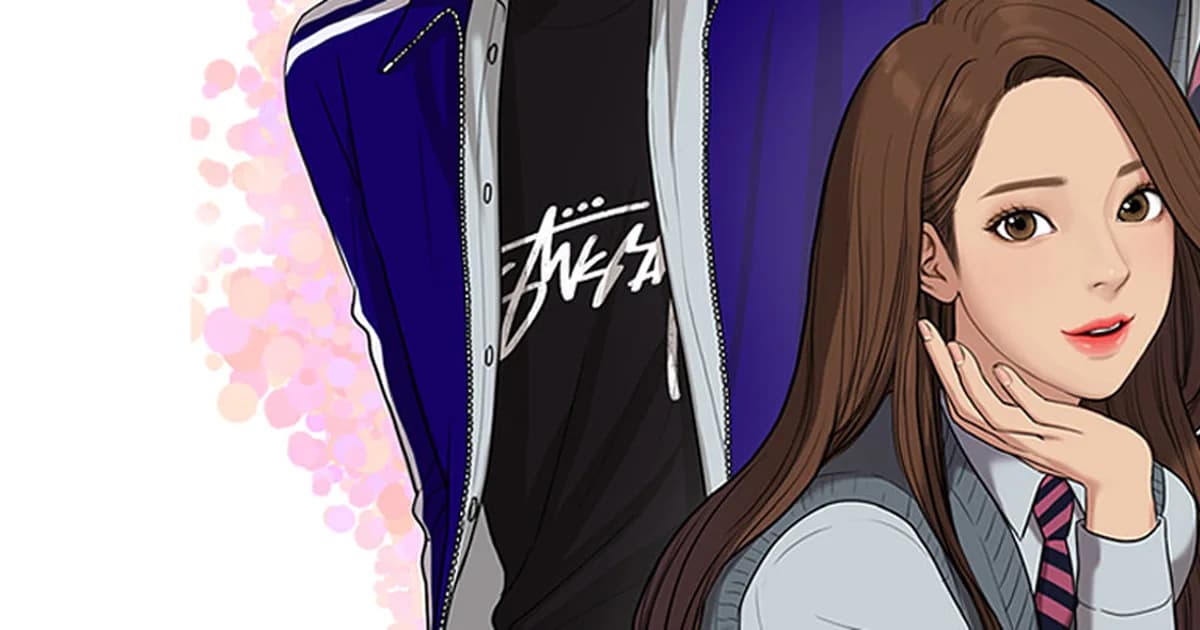

True Beauty reading guide: K-drama vs manhwa, what actually changed
The tvN adaptation (2020-21) is a good drama. It's not the same story.
The K-drama covers the first half of the manhwa reasonably faithfully, then makes significant changes. The biggest divergence: Seojun's arc. In the drama, his trajectory takes a different direction than the manhwa's second half takes him. If you loved drama Seojun, the manhwa gives you more of him and takes him somewhere different.
The drama also compresses Jugyeong's internal voice. The manhwa spends significant panel time in her head: her calculations about who knows what, her relationship to the mirror, her running commentary on the performance she's maintaining. The drama translates some of this into dialogue and action but can't replicate the first-person access the manhwa has.
Concrete differences without major spoilers:
- The love triangle resolution differs in pacing and staging; the manhwa's version is more drawn out
- Seojun's character arc reaches a different place in the manhwa's second half
- Jugyeong's family subplot gets more space in the manhwa
- Chapter 200+ in the manhwa covers content the drama never reached
If you watched the drama and are deciding whether to read the manhwa: yes, read it. The overlap in the first half won't feel like retreading; Jugyeong's internal voice makes familiar scenes feel different. The second half is essentially new material.
Where the series earns its 223 episodes
One honest note from this True Beauty reading guide: I dropped it briefly around chapter 100, deep in the stretch where Jugyeong's story cycles through Jin-su, Seojun's idol career, and repeated near-misses with Suho without the triangle actually moving forward. I came back, and I'm glad I did; the tension keeps building until Suho and Jugyeong finally become official around chapter 169, and the pacing tightens up considerably once that happens.
The later chapters are where Yaongyi pays off the setups from the early run. The appearance anxiety Jugyeong has been carrying gets examined from angles the first half didn't reach. Both male leads' arcs come to conclusions that feel built toward rather than assigned. The ending is polarizing among readers who wanted a different outcome for Seojun, but it's coherent and earned for the story Yaongyi was telling.
True Beauty is a completed series, which means the pacing frustrations of the long stretch between chapter 70 and chapter 165, where the love triangle keeps cycling through new complications without resolving, come with the knowledge that they do resolve. The slow middle is the price of a genuine ending, and it's a longer middle than most romance manhwa ask you to sit through. For that trade-off, it's worth it.
For completed romance manhwa that maintain their pace better across the full run (series that don't have the same mid-run slowdown), Best Completed Manhwa → has picks across all genres with chapter counts and ending quality notes.
For a full ranking of completed manhwa across romance and action, with notes on which endings actually deliver:
Best Completed Manhwa →
True Beauty reading guide: where to read and how long it takes
WEBTOON: official English translation of the complete 223-episode main story. The series is accessible on desktop and the WEBTOON app, with current episode access governed by WEBTOON's free, daily-pass, and app rules.
The WEBTOON app is better than browser for a series this length, and the True Beauty reading guide recommendation is specifically the app on mobile. Vertical scroll on mobile is how True Beauty was designed to be read; the panel compositions and text placement work better in that format.
Reading pace: the 223-episode main story goes fast once it picks up. The first 30 chapters are setup: establishing Jugyeong before and after the transformation, the new school, the first encounters with Suho and Seojun. By chapter 40 you'll know whether this is for you. If you're not engaged at chapter 40, you likely won't be; the series doesn't change genre, it deepens what it started.
Binge-friendly note: once the love triangle actually resolves around chapter 174, the story moves through its remaining threads (Jugyeong's vlogging career, the conflict with Bo-jung, the family reconciliation arc, and the finale) at a noticeably quicker clip than the hundred-plus chapters that came before it. Clear your afternoon once you're past chapter 174.
There's no reading order complexity here: no side stories that require separate tracking, no seasonal breaks that left the story in an awkward state. True Beauty's main story ran to a clean conclusion and is available through WEBTOON's completed-series access model. Start at episode 1, finish the main story at episode 223.
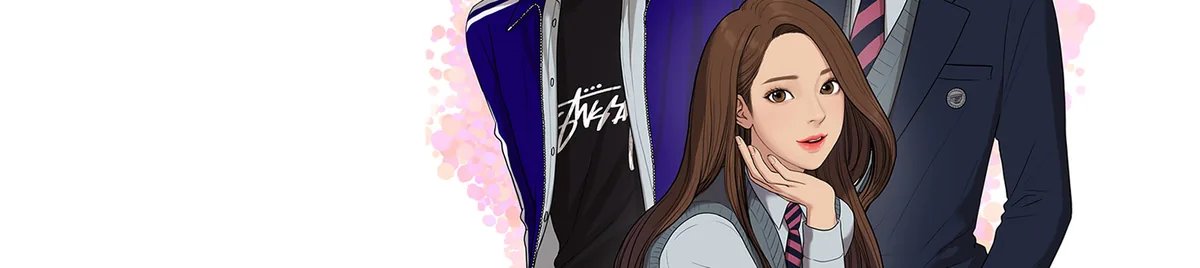 Yaongyi's art style changes noticeably from the early episodes to the later ones; the banner art is representative of the series at its visual peak, which the reading guide's pacing section addresses.
Reading tips for True Beauty
Advertisement
The mid-run pacing dip is real, and it's longer than you'd expect: from roughly chapter 70 through chapter 165, the love triangle cycles through jealousy episodes, near-misses, and side pairings (Jin-su, the Prince of Prince arc) without actually resolving. This is the most common point where readers pause or drop the series. If you hit this stretch, knowing it resolves when Suho and Jugyeong become official around chapter 169 is useful; the story picks up pace again once that happens, and the run to the finale at chapter 223 moves quickly by comparison.
This True Beauty reading guide's last piece of advice: don't read spoilers about the love triangle outcome before finishing. The fandom has strong opinions and they are everywhere. Your reaction to the ending will be more honest without having formed opinions in advance from other readers' takes.
The series' core subject (appearance anxiety, the gap between performance and self) is specific. If that theme does not resonate personally, the romance mechanics will carry you through most of the run, but that same middle stretch will drag more without it. If it does resonate, the series has material that most romance manhwa does not attempt.
Han Seojun's arc is worth following closely from his first introduction. The series gradually reveals context that reframes his early interactions with Jugyeong. Readers who pay attention to him from the start find the mid-run payoff and the ending more emotionally complete than readers who treated him as a standard second-lead.
Frequently Asked Questions
Who does Jugyeong end up with?
Lee Suho. The series builds toward this across the full run. Han Seojun's conclusion is separate and handled with genuine care, not a consolation scene.
Is it completed?
Yes. The main story is complete at Episode 223 on WEBTOON. AniList's 257 chapters include a prologue and 33 side stories.
Manhwa or K-drama first?
Manhwa first for the complete story. K-drama first if you prefer visual media as an entry point, but know the second half diverges significantly.
Is it free?
The official English release is on WEBTOON. Some access is free, while completed episodes can also use WEBTOON's current daily-pass or app unlock rules, so not every episode is necessarily immediately free.
How long does it take to read?
At 20-30 chapters per session: 8-12 sessions. Most readers finish in about two weeks.
Is it appropriate for teens?
Yes. The series handles its themes (appearance anxiety, social pressure, romance) without explicit content.
Related Reading
- True Beauty Character Guide: Every named character in the cast, verified against AniList and Wikipedia, plus how the K-drama changed Kang Soo-jin's role.
- Lookism reading guide: Arc breakdown and reading order for the grounded school webtoon most often recommended alongside True Beauty.
- Best romance manhwa 2026: Ranked list covering completed and ongoing romance manhwa including True Beauty alternatives.
- Best completed manhwa: True Beauty's completed status makes it a candidate for readers who want to binge a full run.
- Where to read manhwa legally 2026: Full guide to the platforms where True Beauty and similar series are available free or cheap.