This Semantic Error reading guide covers the manhwa's three-season structure, where to find it legally in English, how the K-drama adaptation handles the source material, and what to know before you start.
I read it the first time in one extended sitting over two days. For 109 chapters, that tells you something. Not that it moves fast. It doesn't. But the arguments between Sangwoo and Jaeyoung have a specific rhythm that makes stopping feel arbitrary.
TL;DR: Semantic Error is complete at 109 chapters, with 104 digital episodes currently listed on Manta and physical editions from Ize Press. Read manhwa first or watch the 8-episode Watcha drama first; both orders work. The drama is faithful but the manhwa has more internal depth for Sangwoo. Check the current edition rating before reading.
Semantic Error reading guide: key takeaways
- Semantic Error reading guide: begin at Season 1, Chapter 1. The story is self-contained and complete, no prequels or spinoffs required
- 109 chapters across three seasons, fully completed as of 2023
- English physical volumes available through Ize Press (Yen Press imprint) starting November 2024; digital on Manta
- K-drama adaptation: 8 episodes on Watcha (2022), internationally available on Viki and Gagaoolala; also a follow-up film
- Manta currently labels the digital edition Adult/Mature and Steamy; check the rating for your edition
- For a full ranking of where this fits: best BL manhwa 2026
Semantic Error reading guide: overview of what semantic error is
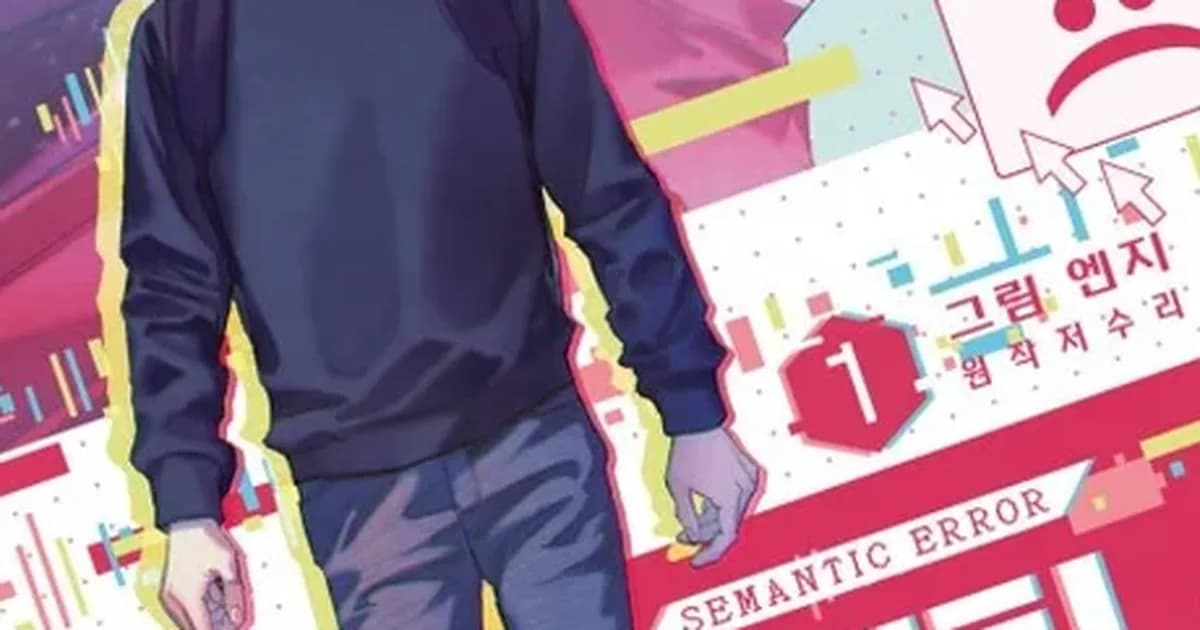
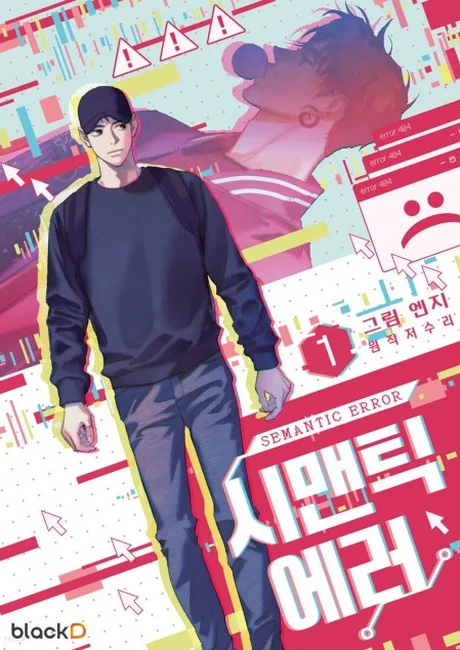 Semantic Error.
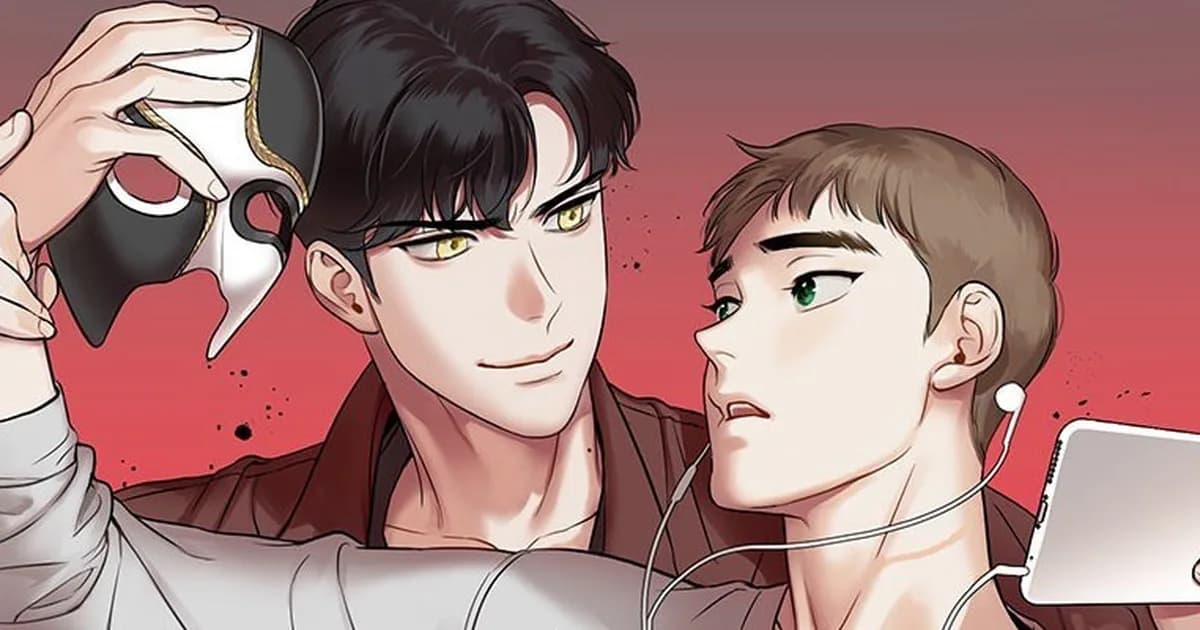
Chu Sangwoo is a computer science major whose relationship to rules is not neurotic, just precise. When something violates the correct procedure, you correct it. When a group project member doesn't contribute, you remove their name. That's not cruelty. That's the only logical outcome.
The name he removes is Jang Jaeyoung's, a design major who is popular, charismatic, and has moved through college without anyone handling him the way Sangwoo just did. Jaeyoung responds by deciding to make Sangwoo's campus life miserable. He's not especially subtle about it.
The title is a programmer's term: a semantic error occurs when code runs correctly but produces the wrong result. Sangwoo is a semantic error in Jaeyoung's world. His behavior follows its own internal logic, but that logic produces outputs Jaeyoung can't parse using any of his usual social tools.
What the series is actually about is what happens when two people with incompatible operating systems keep getting assigned to the same room. The conflict is the draw. The slow shift from aggression to something else is the structure. The 109 chapters are long enough for that shift to feel earned rather than rushed.
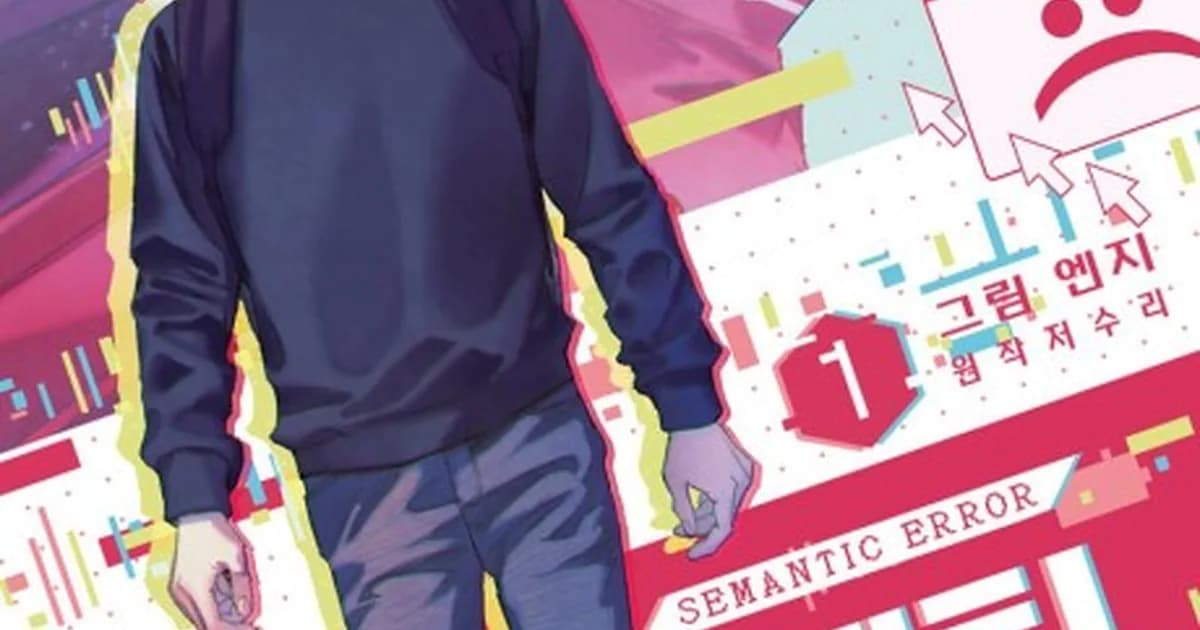
The manhwa was written by J.Soori (originally a light novel that Soori adapted into the webtoon format, illustrated by Angy Kim), serialized on Ridibooks from 2020 to 2023. The English translation is available through Ize Press in print and Manta digitally.
Our Semantic Error review explains why this campus BL became a touchstone of the genre.
Semantic Error Review →
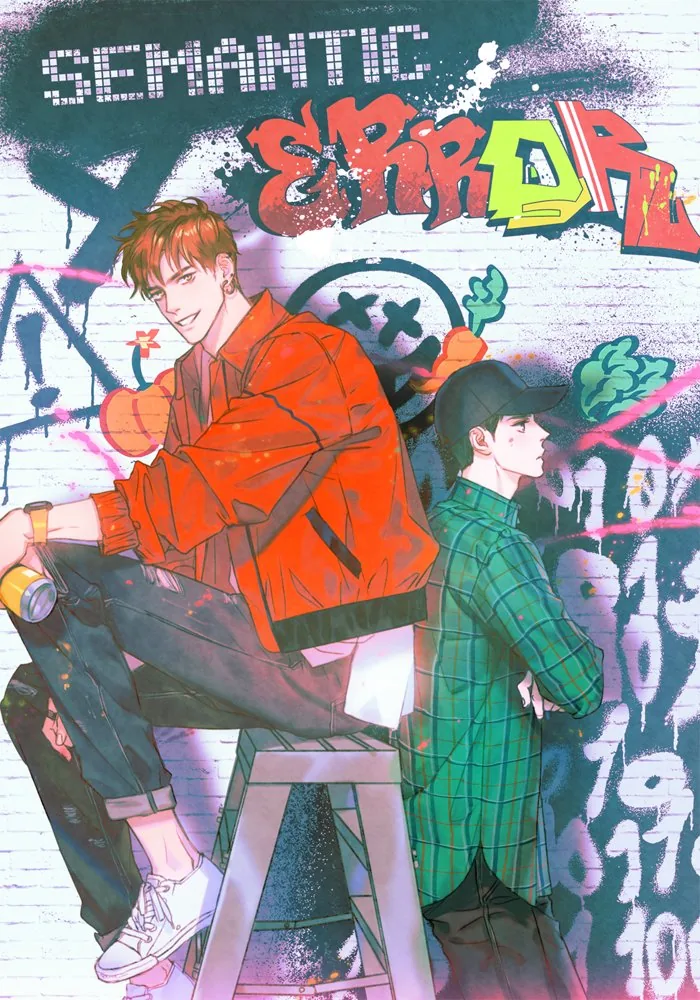 The manhwa is complete at 109 chapters. Manta currently lists 104 digital episodes; Ize Press publishes the English print edition.
Step-by-Step
Advertisement
1. Pick your entry point: Decide whether to start with the manhwa or the 8-episode Watcha drama (2022). Either order works: the drama is a faster, lower-commitment entry, while the manhwa runs deeper on Sangwoo's internal logic.
2. Start the manhwa at Season 1, Chapter 1: Read officially through Manta (digital subscription) or Ize Press's physical Volume 1, released November 2024. Check WEBTOON's current catalog too, and use Ridibooks if you read Korean.
3. Or start with the drama first: Stream the 8-episode Watcha series on Rakuten Viki if you're in North America, South America, Europe, or Oceania, or on Gagaoolala if you're in Southeast Asia, Taiwan, Hong Kong, or Macau.
4. Treat the end of Season 1 as your checkpoint: It covers the group-project incident and Jaeyoung's early campaign against Sangwoo, and closes with the antagonism just starting to shift. Most readers who finish Season 1 continue on.
5. Push through Season 2's slower pacing on purpose: The lateral tension here is intentional, tracking why both Sangwoo and Jaeyoung avoid acknowledging what's developing between them. It's the content, not a stall.
6. Finish at Season 3, then decide on the film: The resolution pays off the buildup from the first two seasons across all 109 chapters. If you want the extended story, watch the follow-up film (same cast, Park Jae-chan and Park Seo-ham) after the drama.
Season Breakdown
Semantic Error runs three seasons. Understanding the break points helps if you're reading in chunks or want to know roughly where certain beats land.
Season 1: The Setup
The group project incident happens in the first few pages. The rest of Season 1 is Jaeyoung being difficult (interrupting Sangwoo's routines, inserting himself into situations where he has no reason to be) and Sangwoo responding with exasperation rather than the anxiety Jaeyoung expected. The dynamic is more comedy than romance here. Sangwoo's internal logic is at its funniest in this stretch because it's applied consistently to situations where it produces the wrong social output.
By the end of Season 1, the antagonism has shifted slightly. Jaeyoung isn't entirely sure he still wants Sangwoo to disappear.
Season 2: The Middle
The tension changes texture in Season 2. Both characters begin spending time together in contexts that aren't conflict-driven, and the story starts examining what each of them actually wants. This is where the slow burn is slowest. Some readers stall around the season's midpoint because the progress feels lateral, the two characters circling each other without moving forward.
That circling is intentional. The series is tracking the pace of two people who both have reasons not to acknowledge what's developing. Sangwoo's reasons are structural: he doesn't have a framework for this kind of thing. Jaeyoung's reasons are pride. Season 2 is about those reasons being gradually, inconveniently dismantled.
Season 3: The Resolution
Season 3 picks up pace. The accumulation from the first two seasons pays off here: the specific moments, the patterns in how they argue, the way Sangwoo has been slowly updating his model of Jaeyoung without admitting it. The ending doesn't rush. It gives both characters enough space to land in a way consistent with who they've been for 109 chapters. That's rarer than it sounds in a genre where conclusions often feel imposed rather than arrived at.
For the practical question: if you're reading casually and want a checkpoint, Season 1 is a natural stopping point. Most readers who get through Season 1 continue.
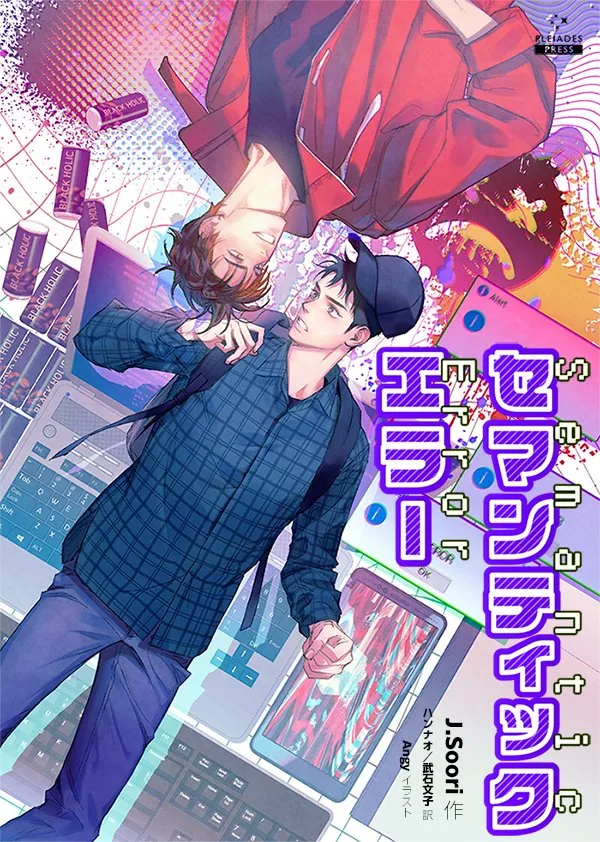 The Korean print edition has 5 volumes. The drama adaptation (2022) covers the manhwa's first arc fairly closely.

Tips: What to Know Before You Start
The slow burn is the content, not the obstacle. Readers who want early romantic payoff will be frustrated. Readers who want the tension itself (the specific dynamic between two people who find each other irritating in a way that requires attention) will find it correctly paced. Knowing which camp you're in before you start saves you chapters of misaligned expectations.
Sangwoo is easier to read in the manhwa than in the drama. His internal logic is on the page. You're inside his reasoning for why each of his responses is technically correct, even when they're socially absurd. The drama can show his behavior, but the narration that makes it funny rather than cold doesn't translate directly to screen. If you watch the drama first and find Sangwoo frustrating, the manhwa explains him.
There is a movie. A Semantic Error film followed the drama series, with Park Jae-chan and Park Seo-ham returning. It is available on Viki. If you're going through the dramatic content in order: series first, then film.
The physical edition is worth noting. Ize Press released Volume 1 of the manhwa in November 2024, with Volume 2 following. If you prefer physical books, or want a collected format rather than chapter-by-chapter reading, the Ize Press editions are the official English print release.
For a breakdown of every platform where you can legally read manhwa in English (pay-per-chapter, subscription, and free tiers): where to read manhwa legally in 2026.
Where to Read: Official Platforms
Manta: digital subscription service, Semantic Error available in the catalog. Monthly subscription model rather than per-chapter coins.
Ize Press (Yen Press): official English physical volumes. Volume 1 released November 2024 (print $24.00, digital $12.99, 328 pages). The collected format covers the full story across two volumes.
Ridibooks: the original Korean platform where the series ran. Korean language only. Access requires a Korean account and payment method.
WEBTOON: check current availability. The series has appeared on WEBTOON in various regional versions; current status may vary.
For the drama: Rakuten Viki for most international regions, Gagaoolala for Southeast Asia, Taiwan, Hong Kong, and Macau. The film is also on Viki.
For how Semantic Error compares to other completed BL series, including heavier titles and lighter ones: best BL manhwa 2026.
Our best BL manhwa list covers the most acclaimed boys' love titles across every tone.
Best BL Manhwa 2026 →
Manhwa vs. Drama: What Changes
Advertisement
The premise is the same in both. Same characters, same inciting incident, same campus setting, same enemies-to-lovers arc. Where they differ:
Sangwoo's internal voice. The drama shows his behavior as external and opaque. The manhwa has his narration running alongside the action, explaining the logic step by step. This changes how several scenes read: moments that seem cold or oblivious in the drama make sense immediately in the manhwa because you know exactly what calculation Sangwoo is running.
Pacing. Eight episodes compresses roughly 109 chapters. The drama cuts some of the lateral tension of Season 2 (the circling, the repeated encounters without forward movement). Whether that's an improvement depends on your tolerance for the slow middle. The drama's ending covers the same emotional ground as the manhwa's, just with less time for it to sit.
The film. The Semantic Error film picks up after the drama's conclusion, with Jae-chan and Seo-ham back as Sangwoo and Jaeyoung. There's no manhwa equivalent. The film is its own addition to the dramatic side of the property.
Reading order recommendation: if you prefer visual media as a starting point, watch the 8-episode drama first. Then read the manhwa to get Sangwoo's internal logic in full. If you prefer reading, the manhwa first gives you the fuller version, and the drama then reads as a well-executed condensation. The film works best after you've seen the drama.
For series recommendations in the same genre, see Manhwa Like Semantic Error: 7 BL Picks to Read Next.
Related Reading
If Semantic Error is the right entry point for you, two directions from here:
For something lighter and equally complete: Cherry Blossoms After Winter, which runs shorter and keeps the focus on a contemporary romance.
For something heavier after you know the genre: Painter of the Night, which is an 18+ historical BL with explicit content and a very different power dynamic. The Painter of the Night reading guide has full content warnings and what to expect before you start.
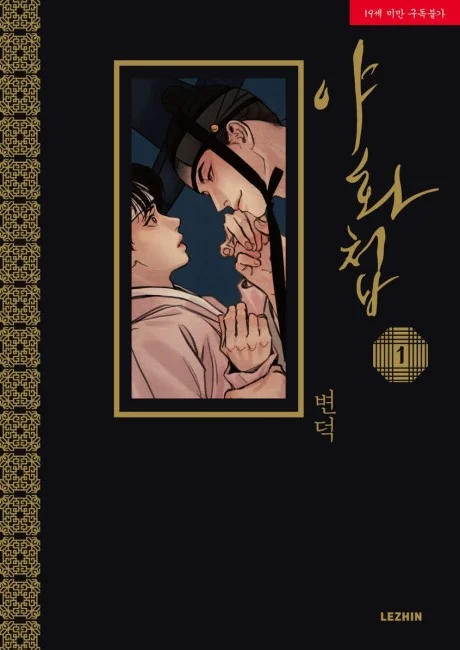 Painter Of The Night.
For the review: the Semantic Error review covers whether the series earns its rating and where it stalls, if you want a critical take before committing.
For a trope-focused ranking, see the best enemies-to-lovers manhwa guide.
Frequently Asked Questions
How many chapters is Semantic Error?
109 chapters across three seasons, completed in 2023. All available now. The Semantic Error reading guide above breaks down what happens in each season.
Where can I read it in English?
Manta (digital subscription), Ize Press (physical volumes starting November 2024), and check WEBTOON for current availability.
Where can I watch the drama?
Rakuten Viki for most international regions. Gagaoolala for Southeast Asia, Taiwan, Hong Kong, and Macau.
Should I read the manhwa or watch the drama first?
Either order works. Drama first is lower commitment and gives you the full story quickly. Manhwa first gives you Sangwoo's internal logic before you see his behavior on screen. The Semantic Error reading guide's manhwa vs. drama section above covers the differences in detail.
Is there a movie?
Yes. A Semantic Error film with the original drama cast is available on Viki.
Is it appropriate for all ages?
Check the edition before recommending it to younger readers. Manta currently labels Semantic Error Adult/Mature and Steamy, so the old all-ages description is not reliable for the current digital listing.
What is it about?
A CS student removes a design student's name from a group project. The design student decides to make his life difficult. The enemies-to-lovers arc runs 109 chapters.