
Noblesse reading guide: 544 chapters, completed January 2019, the first manhwa to fully realize what a calm OP protagonist could look like. The 2020 anime adapts 13 episodes. What it skips is the majority of the story, the Noble homeland arcs, the extended Union conflicts, and the ending that required 11 years of setup.
TL;DR: Noblesse reading guide -- 544 completed chapters, free on WEBTOON. Cadis Etrama di Raizel wakes from 820 years of sleep into a Korean high school. The series defined the restrained OP protagonist archetype. First 200 chapters are the strongest material. Mid-arc repetition kicks in around chapter 280 and runs through the Noble faction conflicts. The 2020 anime covers only chapters 1 through roughly 130.
Key Takeaways
- Platform: WEBTOON (English), full 544 chapters, free to read
- Status: Completed, January 2019; proper ending
- Authors: Son Jeho (story), Lee Kwangsu (art); Naver Webtoon original
- Run length: 11 years, December 2007 -- January 2019
- Anime: 2020 Production I.G (Crunchyroll, 13 episodes) + 2015 OVA Noblesse: Awakening
- Reading time: At 20 chapters per sitting, approximately 27 sessions
Noblesse reading guide: what the series actually is
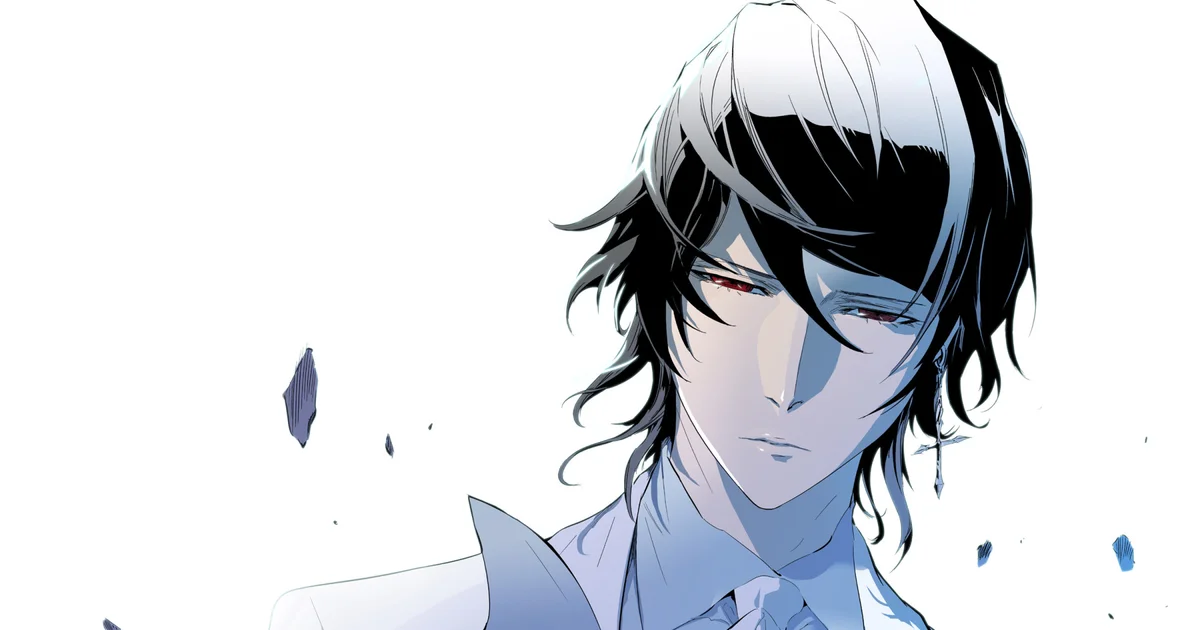
Cadis Etrama di Raizel -- Rai -- is a Noble of a level that sits above even the Noble Lord. He wakes from an 820-year slumber and, with no context for contemporary Korean society, enrolls in a high school. His loyal servant Frankenstein has managed human affairs during the slumber. The school setting grounds an otherwise mythological premise in social comedy.
The Noble hierarchy is the series' backbone. Nobles are ancient supernatural beings with blood powers; their internal structure is governed by rank, loyalty, and the specific function of the Noblesse -- not a ruler, but a judge. Rai hasn't exercised that function in eight centuries. The series is built around what happens when he eventually has to.
What made Noblesse defining when it launched in 2007 wasn't the premise. It was the protagonist execution. Rai doesn't explain his power. He doesn't threaten. He doesn't project dominance as display. He acts when he must, stops precisely when the threat is neutralized, then returns to confusion about ramen cups and phone charging. That restraint formula was new at the time. Every calm OP protagonist who came after -- in manhwa, in webtoons, in the wave of "overpowered but composed" series that followed -- has some version of this in their construction.
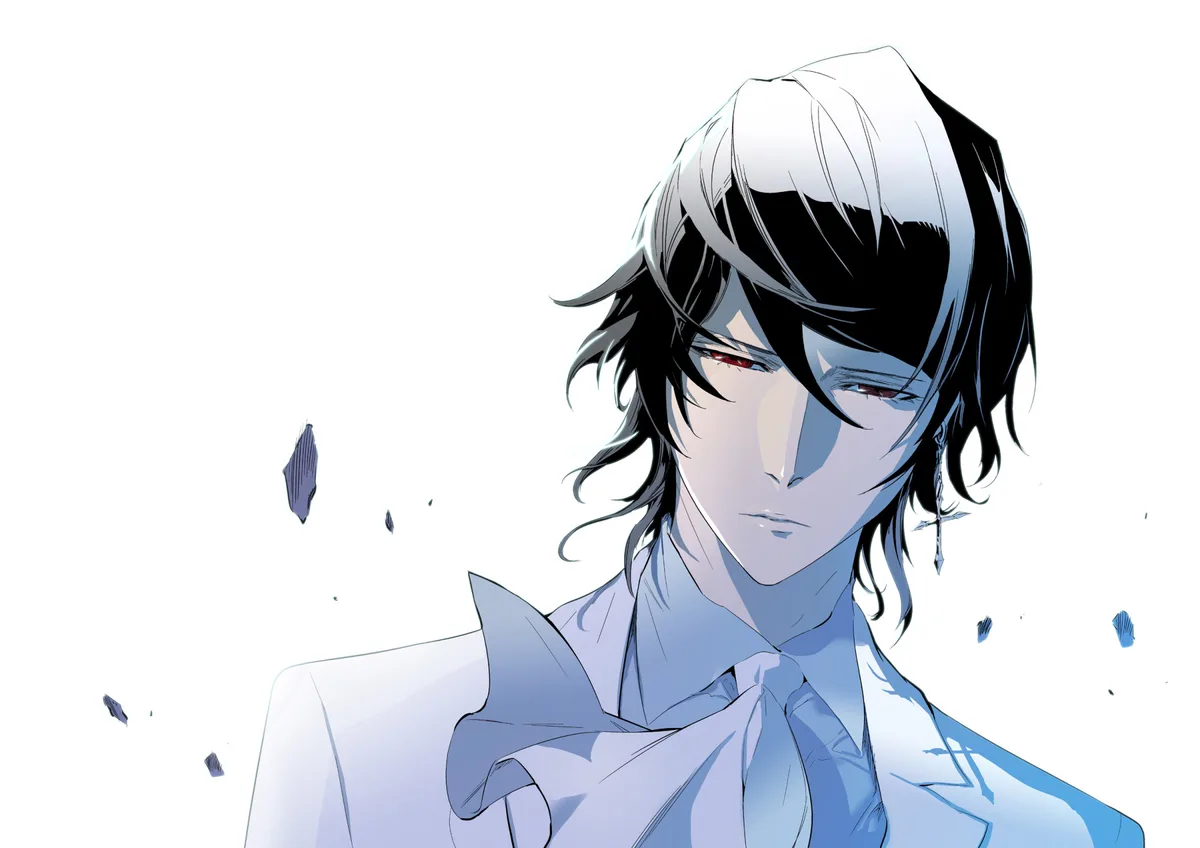 Cadis Etrama di Raizel and the Noble clan -- the complete 544-chapter run is free on WEBTOON.
For the complete critical breakdown, the Noblesse review covers the full 544-chapter run at 7.5/10.
The five-arc structure: what to expect and where it tests you
Advertisement
School phase (chapters 1 -- ~90)
The most accessible section. Rai and Frankenstein are established; the human cast is introduced; the Union, a faction antagonistic to the Nobles, provides the first conflict tier. The comedy from Rai's disorientation with modern life is at its densest here. The power system establishes without explanation -- readers understand Rai's level from how other characters respond to him, not from stat windows.
This is the section the 2020 anime primarily covers. Readers who only watch the anime see this arc and nothing else.
Union conflict arcs (chapters ~90 -- ~280)
The Union escalates. New antagonist tiers arrive, each stronger than the last. The modified human supporting cast -- M-21 and others -- develops through their relationship with the Nobles and questions about what it means to be human in a hierarchy built around Noble supremacy. The art is at its most confident in the fight sequences here.
This is also where the repetition pattern appears for the first time. Antagonist arrives, gets defeated, resets to a higher tier. The first cycle is effective. By the third, the formula is recognizable before the new villain has a name.
For a completed manhwa where the OP protagonist archetype is deployed in a contemporary mystery setting:
Best Completed Manhwa
Noble homeland and extended conflict (chapters ~280 -- ~450)
The deeper Noble lore comes in here. The Noble homeland, the Noble Lord, and the council that governs the hierarchy all get expanded treatment. This is the material the anime doesn't cover, and what readers who stopped at the school arc have never seen.
The escalation-defeat-reset cycle is most repetitive in this stretch. Multiple arc cycles go through the same motions without much narrative distance between them. The comedic relief from the school setting is reduced; the story is heavier in tone. Some readers will find this phase the hardest to push through.
What keeps it from collapsing is Frankenstein. He's the series' most expressive character. His theatrical loyalty to Rai, his history, and his complicated relationship to the Noble hierarchy are what keep you emotionally invested when the antagonist cycles stop doing that job.
Noble faction conflict (chapters ~450 -- ~480)
Factions within the Noble hierarchy come into conflict. Rai's function as the Noblesse becomes explicit. This is where the setup from the first 400 chapters starts cashing out. The section is not long, and the pacing is tighter than the extended Union material.
Final arc (chapters ~480 -- 544)
The central narrative promise gets resolved. Son Jeho closes what he opened in 2007. The ending is real -- not open, not ambiguous, not "start a sequel to find out." The compression is noticeable (the finale moves faster than the series' usual pace), but the major threads are tied.
For readers who've seen manhwa adaptations and want to understand how the anime compares:
Manhwa with Anime Adaptations in 2026
What the anime covers and what it doesn't
The 2020 Production I.G TV series (13 episodes) covers approximately the school phase and first Union conflicts -- roughly chapters 1 through 130, or 24% of the total run. The Noble homeland arcs, the extended conflict cycles, Rai's full function as the Noblesse, and the ending are not in the anime.
The 2015 OVA Noblesse: Awakening covers the very beginning and is the better entry point for anime-first readers. The 2020 TV series assumes some familiarity with the premise and skips ahead of the OVA's material.
If you want to understand why Noblesse is considered a genre-defining series, the anime alone won't tell you. The school phase is good. The full 544-chapter run is what built the reputation.
How to read 544 chapters without losing momentum
The standard pacing failure with long runs is trying to sustain reading speed all the way through. Noblesse has a real pacing dip in the mid-arc repetition phase. Knowing it's coming is better than hitting it cold.
Read the school phase straight through. The Union conflict opening is worth sustaining. When the antagonist-defeat-reset cycle starts feeling mechanical -- when you can predict the structure of the next arc before it begins -- that's the signal to read in shorter bursts rather than sessions.
The final 100 chapters move faster than the rest of the series and reward reading close together. Don't burn out in chapter 400 and then never reach the ending.
Noblesse reading guide: where to read
English: WEBTOON -- Noblesse on WEBTOON. The full 544-chapter run is free to read. Official translation, no gaps.
Anime: Crunchyroll -- 13-episode 2020 TV series (Production I.G). Worth watching after reading if you want to see the school arc animated. Not a replacement for the manhwa.
Step-by-Step
Advertisement
1. Start at Chapter 1 on WEBTOON: Read the free, official Noblesse release from the beginning. The school phase (chapters 1-90) is the most accessible entry point and the section the 2020 anime covers.
2. Read through the Union conflict arc before slowing down: Continue through the Union conflict chapters (roughly 90-280), where the art and fight sequences are at their most confident. Expect the antagonist escalation-defeat-reset cycle to start feeling repetitive by the third cycle.
3. Shift to shorter reading sessions once the pattern feels mechanical: Around chapter 280, the Noble homeland and extended conflict material repeats the same escalation cycle without much narrative distance between arcs. Reading in shorter bursts here keeps momentum without burning out before the payoff.
4. Push through to the final 100 chapters: The final arc (chapters ~480-544) resolves the central narrative promise Son Jeho set up in 2007. It moves faster than the rest of the series, so don't stop reading around chapter 400.
5. Decide whether to watch the anime after finishing: The 2020 Crunchyroll series covers only the first 24% of the story (roughly chapters 1-130). Watch it as a revisit of the school arc, not a substitute for the full 544-chapter run -- or start with the 2015 OVA Noblesse: Awakening if you want an anime-first entry point.
Related Reading
- Noblesse Review: full critical breakdown at 7.5/10 -- art analysis, pacing assessment, and a rubric score for the complete run
- Noblesse Character Guide: who's who across all 544 chapters, from the RK squad to the Noble elders
- Manhwa Like Noblesse: 8 picks for what the calm OP archetype looks like in series that came after
- Best Completed Manhwa: curated list of series with actual endings; Noblesse is among the few that fully resolves its central promise
- Manhwa with Anime Adaptations in 2026: which adaptations cover the source and which leave most of it unread
- Unholy Blood Review: shorter completed supernatural WEBTOON (93 chapters) with a vampire protagonist -- for readers who want Noblesse's premise in a self-contained run
- Manhwa Like Unholy Blood: if Unholy Blood's completed vampire setting is what draws you, these 7 picks cover the same tone
Frequently Asked Questions
How many chapters does Noblesse have? 544 chapters. Completed January 2019 on WEBTOON after 11 years.
Is Noblesse completed? Yes. Proper ending, all major threads resolved. No sequel as of mid-2026.
Does the anime cover the whole story? No. The 2020 anime (13 episodes, Crunchyroll) covers roughly 24% of the source -- the early school arcs. The Noble homeland material and the ending require reading the manhwa.
Where can I read it? Free in full on WEBTOON, official English translation.
Is the anime a good entry point? The 2015 OVA Noblesse: Awakening is a better entry point than the 2020 TV series. The manhwa reads cleanly from chapter 1.
When does it get repetitive? Around chapter 280. The antagonist escalation-defeat-reset cycle repeats across the middle phase. Read in shorter sessions once you notice the pattern.
Should I read or watch first? Read first. The anime covers 24% of the story. The rest of what makes Noblesse worth reading is in the manhwa.
References
- Noblesse on WEBTOON: official English platform, full 544-chapter run, free to read
- Noblesse anime on Crunchyroll: 2020 TV series (13 episodes) and 2015 OVA Noblesse: Awakening